
Capital Allocation & Valuation6 min read
ftBank’s ¥597 Billion AI Equipment Loss Changes the Math of Buying Early
SoftBank’s revised procurement plans for U.S. AI data centers expose a cost investors often miss. Buying an earlier delivery slot can mean surrendering the ability to walk away.
loss, two kinds of lost flexibility
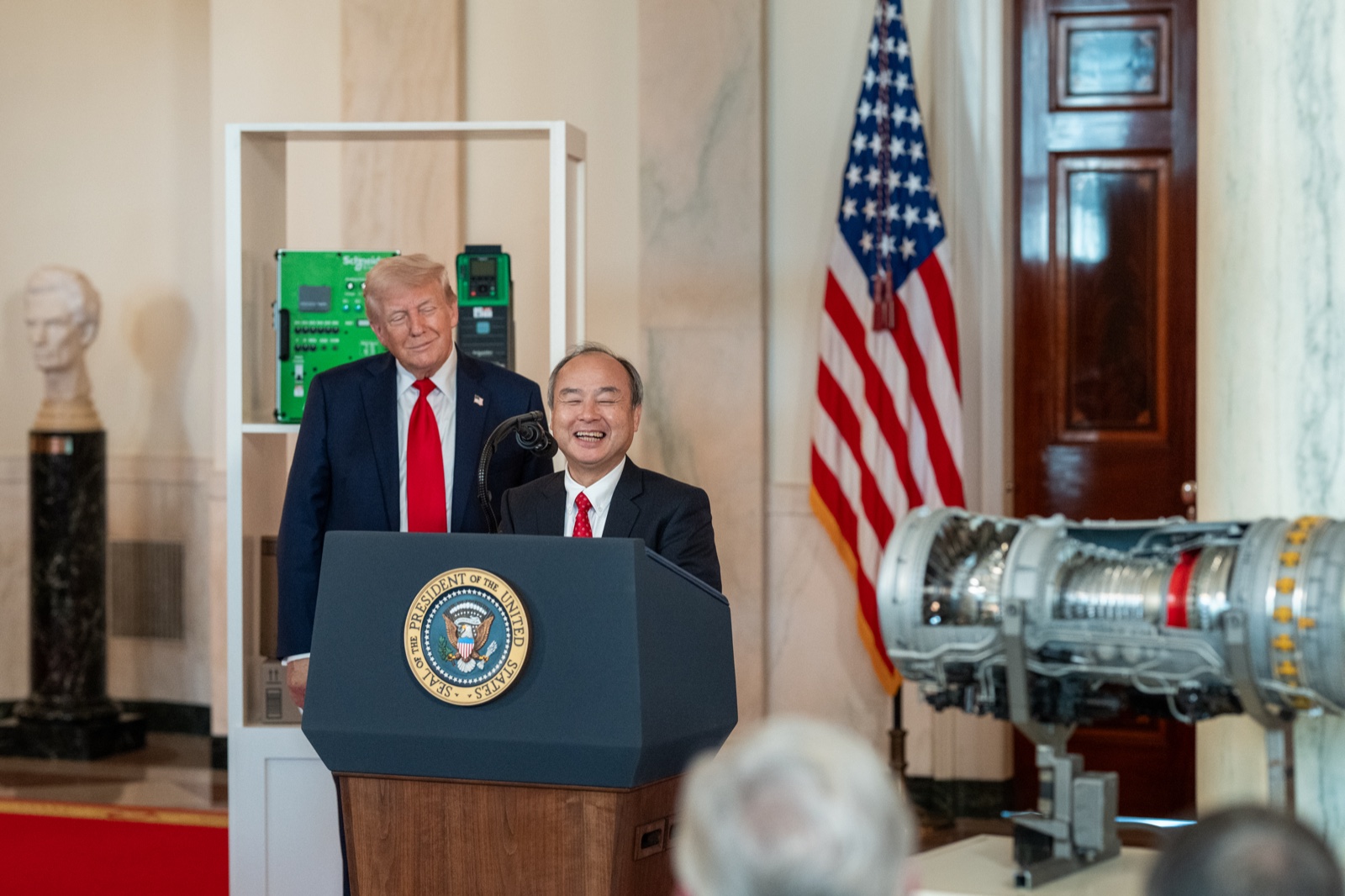
On November 10, SoftBank Group reported a ¥597.248 billion loss in the six months to September 2026 from revising procurement plans for power-generation equipment for U.S. AI data centers and related matters. Its filing breaks that into ¥457.030 billion tied to nonrefundable advance payments and ¥140.218 billion tied to contract modifications and settlements. The former accounts for about three-quarters. The reporting currency makes it easier to reconcile the numbers across different coverage. SoftBank filing · The Information
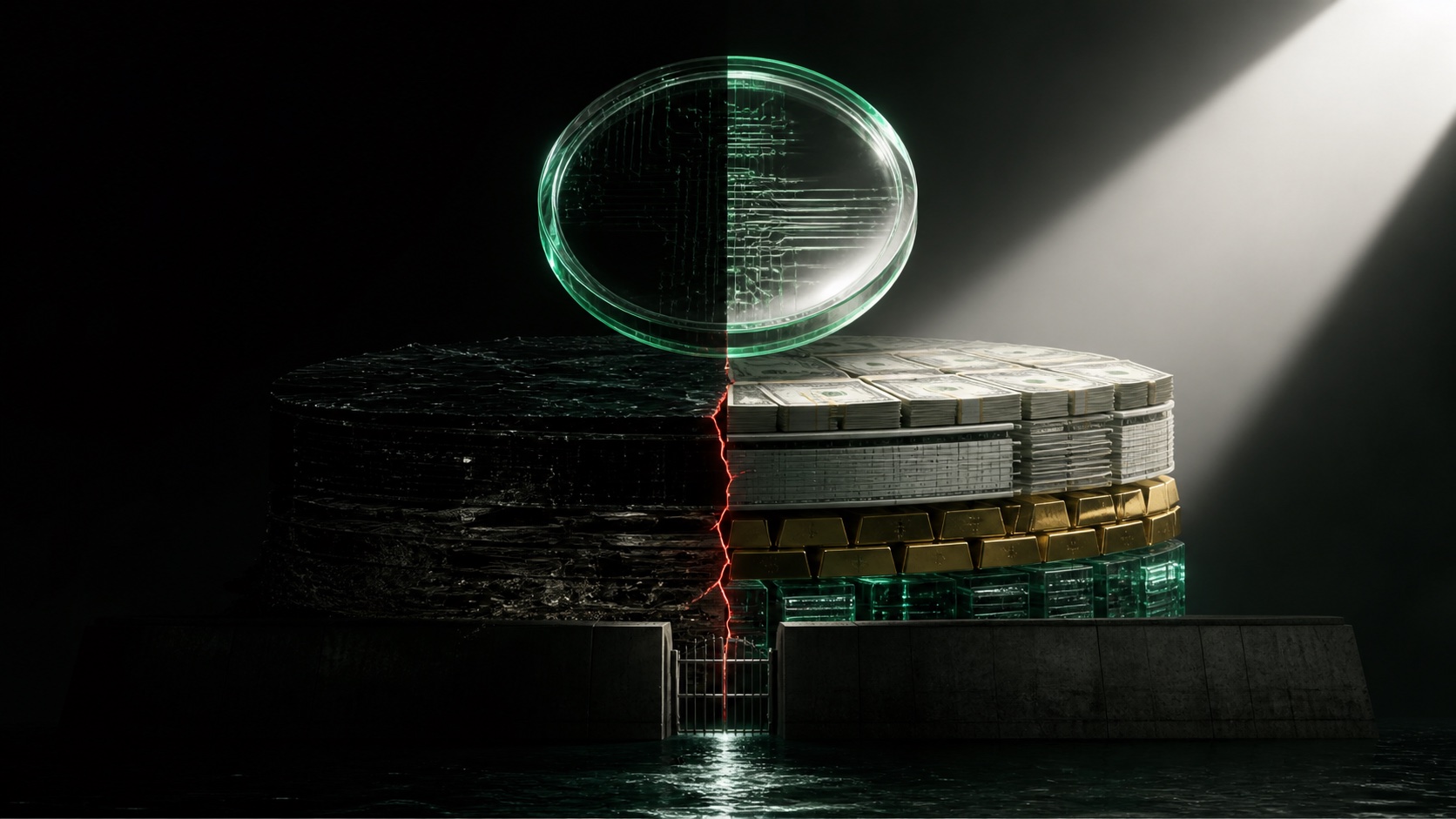
The first category relates to cash previously advanced. The second reflects contract changes and settlements, whose expense recognition may differ from payment timing. Reconcile the cash already paid and unrecoverable, obligations still to be paid and the charge on the income statement. Treating the whole loss as fresh quarterly cash outflow overstates new spending. Dismissing it as an accounting charge misses the cost of capital already committed.
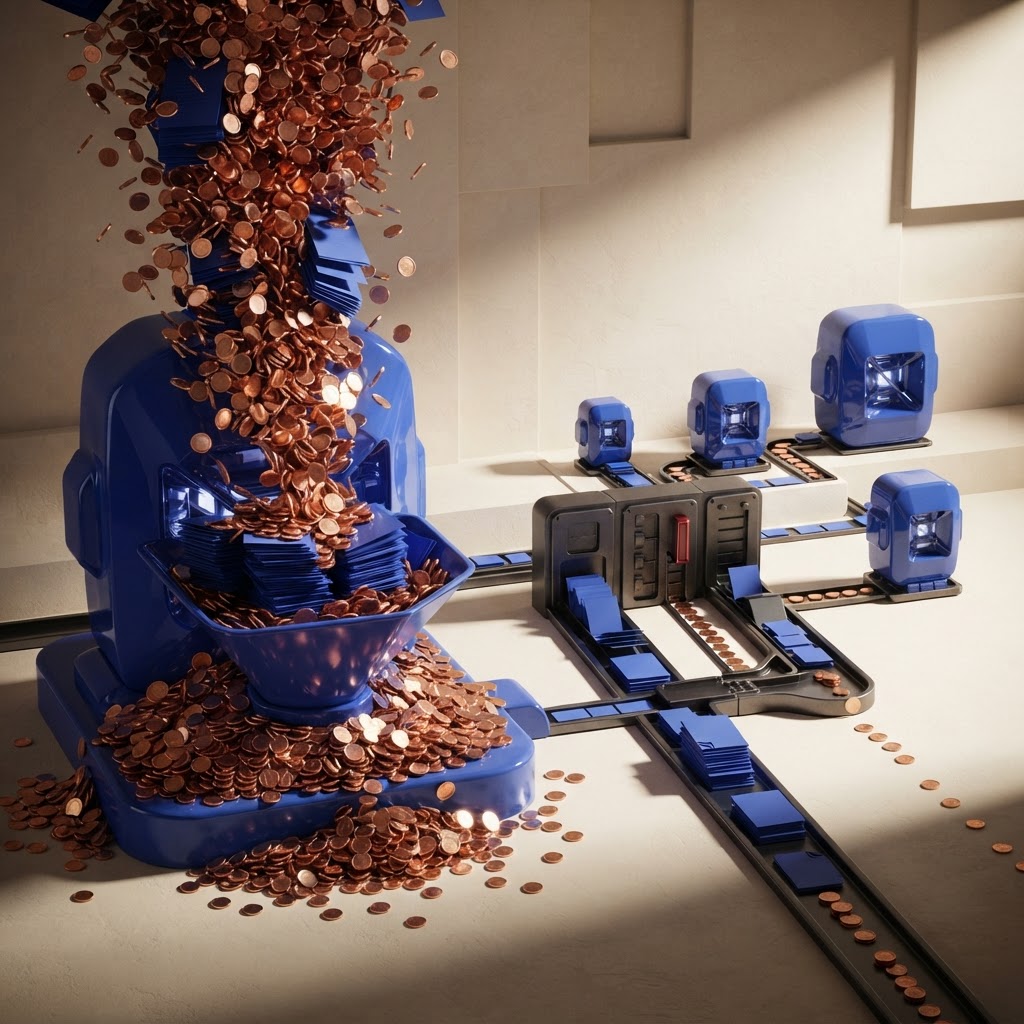
For the supplier, a deposit can support production scheduling and materials purchases and compensate for capacity reserved for a customer. For the buyer, the same contract can secure earlier equipment delivery. That only accelerates receipts when the site, power, customer and equipment schedules line up. If power approval, customer commitments or the location remain open, early delivery can mean storage, commissioning or redeployment costs instead.
The filing says procuring subsidiary Silver Bands 7 had paid about $9.48 billion since the previous fiscal year through September, covering U.S. projects including the PORTS-Pike campus in Ohio. Cumulative payments and the period charge have different time bases. Subtracting one from the other does not give recoverable equipment value, and the disclosure does not establish the cancellation of any particular site. SoftBank attributed the revision to evolving requirements across existing and planned projects. SoftBank filing
n a delivery slot is worth buying
Compare two projects serving identical demand. One waits for firmer power and customer commitments and may miss the first equipment slot. The other orders early and can start sooner if everything else is ready. Value the difference in project net cash flows that actually come forward. Deduct incremental installation and operating costs. Check whether customer billing begins at startup, acceptance or after a performance test.
Take a hypothetical project, measured in CNY 100 million. The present-value cost of tying up capital early is 5. On success, earlier launch adds net cash flows worth 40. A redesign costs 60 more than waiting would have. With a probability p of going ahead as planned, the incremental value is 40p − 60(1−p) − 5. Break-even is 65%. These assumptions do not estimate SoftBank’s project probabilities or recovery.
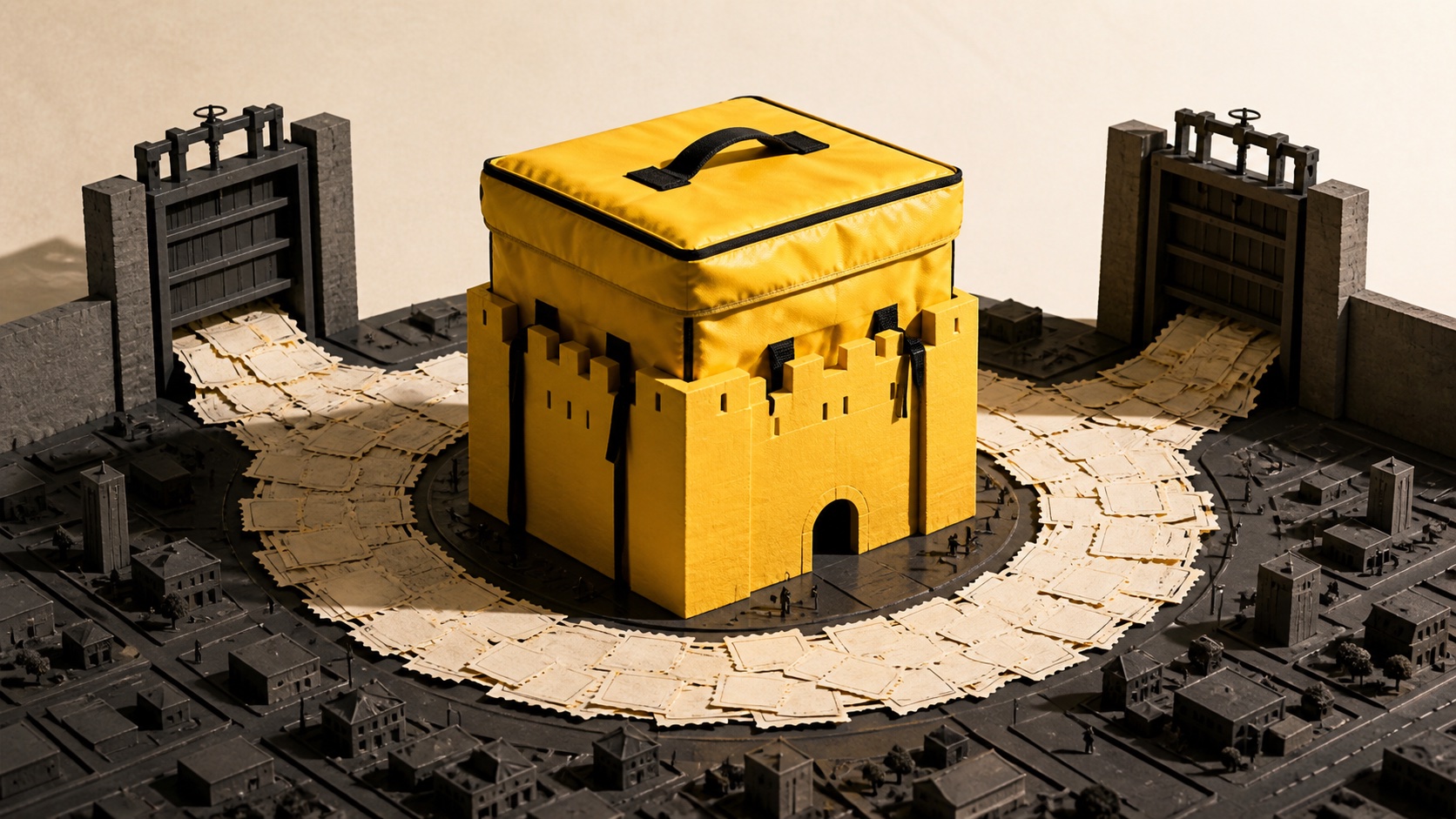
If a transfer, reconfiguration or resale reduces the redesign loss from 60 to 30, holding everything else constant brings the hurdle down to 50%. That is the value of transferability. It may not show up in the equipment quote, yet it can change the order decision. Identical demand forecasts can support very different contract values when exit and reconfiguration rights differ.
contract rights into the capital budget
There is also a third state: the data center proceeds, but later than planned. Equipment payments go out while customer receipts wait, tying up cash for longer. Build a monthly schedule of nonrefundable deposits, delivery milestones, storage or upkeep on delay and the start of customer payments. If the next announcement merely confirms the project continues, update delivery dates and interim financing needs before changing long-run utilization.
In Damodaran’s growth-and-reinvestment framework, expansion adds value when incremental capital earns an adequate return. Scarce slots can justify early orders while making buyers accept harsher exit terms before funding or siting is secure. Ask whether the deposit protects a launch date a customer will pay for or merely buys equipment that still needs a home. Commit capital in stages and account for failures that can cluster across projects.
The adjustments also produced a conditional right to as much as $2.1 billion in rebates on equipment purchases over ten years. SoftBank did not recognize that right as an asset at September 30 because the amount could not be determined. Estimate what SB7 would buy anyway, the probability of meeting the conditions and the present value of the rebates. Purchases made only to obtain a rebate bring incremental cost. The maximum is not a direct offset to the period charge. SoftBank filing
t to track in the next filing
Watch three sets of disclosures. First, remaining generation-equipment commitments and advances, including transfer rights. Second, site power, construction and customer acceptance milestones. Third, actual cash recovered or paid on exits, amendments and equipment transfers. Procurement can keep growing while its quality changes. Compare equipment exposure covered by customer commitments and additional obligations if new projects suffer a similar delay.
Our analysis of SoftBank’s OpenAI-backed borrowing
In valuation, reflect the loss already recognized and model future commitments and recoveries separately. That avoids deducting the same sunk cash twice. For the next uncommitted projects, compare ordering early, waiting and reconfiguring, each with its own timing and recoveries. If the delivery advantage cannot cover the cost of lost flexibility, growth in project size can come at shareholders’ expense. Build a DCF in Valuefocus
Sources and photo credits
Recent posts






































Test the cash-flow assumptions from the article in Valuefocus.
Open DCF Calculator