
Consumer, IP & Valuation7 min read
Pop Mart's 112%: More Characters, More Concentrated Growth
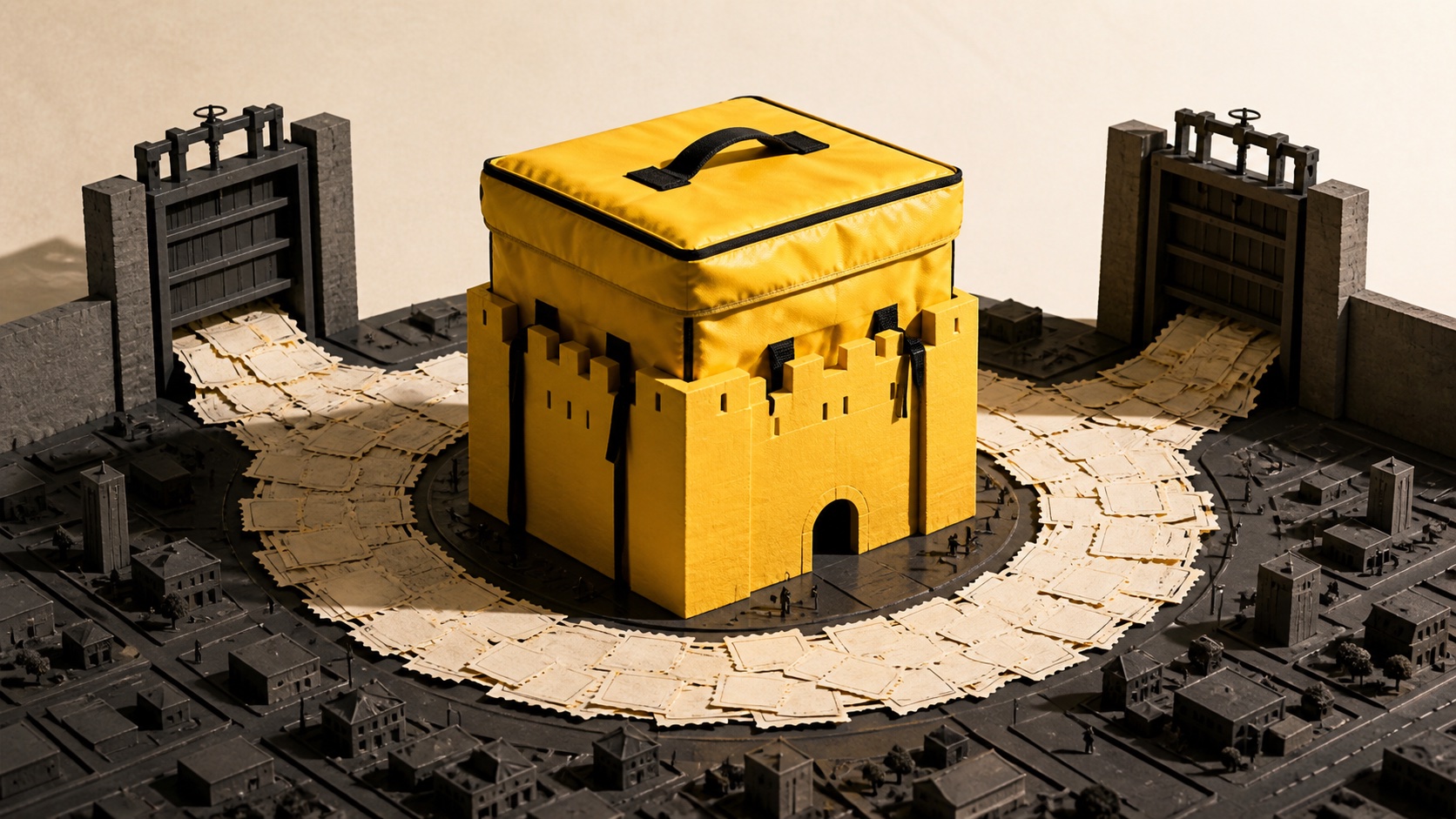
Six character franchises each generated more than RMB1 billion in six months. Pop Mart appears to be reducing its dependence on a single star. Turn one page further in its results, however, and another picture emerges: plush products delivered more than all of the company's incremental revenue. The characters can rotate while the consumer trend supporting them remains concentrated.

Succession is real. Diversification needs more evidence.
The August 20 interim results gave Pop Mart bulls a credible argument. Yicai reported that six IPs each exceeded RMB1 billion in half-year revenue, with Twinkle Twinkle expanding rapidly. The company can no longer be reduced to LABUBU alone.
But creating the next star is different from owning independent demand streams. The former reduces the risk of picking the wrong character. The latter may reduce exposure to a broader consumer craze ending. Valuing Pop Mart requires separating those propositions.
One report, concentration moving in opposite directions
Page 30 of the official announcement puts H1 2026 THE MONSTERS revenue at RMB4.454 billion, with its share down from 34.7% a year earlier to 26.0%. Twinkle Twinkle reached RMB2.650 billion, up 580.6%. THE MONSTERS includes multiple characters; its revenue is not LABUBU-only revenue.
On page 31, plush revenue rises from RMB6.139 billion to RMB9.825 billion, taking its share from 44.2% to 57.2%. Figures were broadly flat; derivatives and others declined. The company became less concentrated by IP and more concentrated by product format. Both statements are true.
112% measures the source of growth—not the growth rate
Using the unrounded figures, plush added approximately RMB3.686 billion of revenue against a group increase of RMB3.297 billion: a contribution of 111.8%. Other categories combined declined by RMB389 million. Plush supplied the entire net increase and offset the decline elsewhere.
This does not mean plush grew 112%, nor does it measure profit contribution. IP and product category are overlapping classifications: a single product can belong to both THE MONSTERS and plush. Adding those revenue shares would double-count.
Nor does this calculation predict a plush downturn. It changes the diligence question. Instead of asking only whether the next character will become popular, ask whether consumers will still pay for those characters in other formats after plush enthusiasm cools.

Six names can share one risk factor
Imagine six clothing labels all selling the same fashionable silhouette. A varied brand roster does not protect them if that silhouette goes out of style. Different toy characters could likewise benefit from bag-charm fashion, social display and similar distribution channels. Rotating favorites need not expand the customer budget.
That is a hypothesis to test, not proof of overlapping customer bases. Cross-IP repeat purchases, migration across product categories and regional customer behavior would help establish genuine diversification. Aggregate revenue tables cannot establish correlations between consumer demand streams.
The same mistake appears in apparently diversified index portfolios: more names do not necessarily mean different underlying return drivers. Company analysis also needs to look through labels.
Two independent, static teaching scenarios make the distinction tangible. Holding everything else constant, a 10% decline in THE MONSTERS implies roughly a 2.60% group revenue decline; a 10% decline in plush implies approximately 5.72%. These are illustrations based on current shares—not forecasts or profit estimates. They overlap and must not be added.
The strongest bull case is not an endless string of hits
The capabilities worth examining are discovering creators, designing products, organizing supply and reaching consumers. If Pop Mart can repeatedly move different characters into different consumption settings, plush could be an entry point rather than an endpoint. Successful succession has value; concentrated growth does not erase it.
That proposition deserves demanding tests. Do products still sell at regular prices after launch excitement? Do new releases attract new customers or redirect existing spending? Does the same character retain appeal outside plush? A durable IP platform must generate cash beyond a fashion cycle.
Supply constraints complicate observation. When a product is scarce, sales can understate demand. After replenishment, inventory and discounting become more informative. Neither a sellout screenshot nor one slow-selling release settles the question. Follow regular-price sales after restocking, inventory turnover and operating cash flow over time.
Marks tests shared risk; Buffett tests substitutability

Editorial framework application—not an endorsement of Pop MartMore names need not mean less risk. Popularity is not automatically a moat.
- Howard Marks: His Risk memo emphasizes different responses to common factors as the basis for diversification. Applied to a character portfolio, ask which revenues remain resilient when plush fashion cools—not just how many characters exceed a revenue threshold.
- Warren Buffett: The 1991 shareholder letter links an economic franchise to consumer desire, few close substitutes and freedom from price regulation. Repeat purchases and pricing power across cycles are useful tests here. Short-lived resale premiums are not the same as profits the company can durably capture.
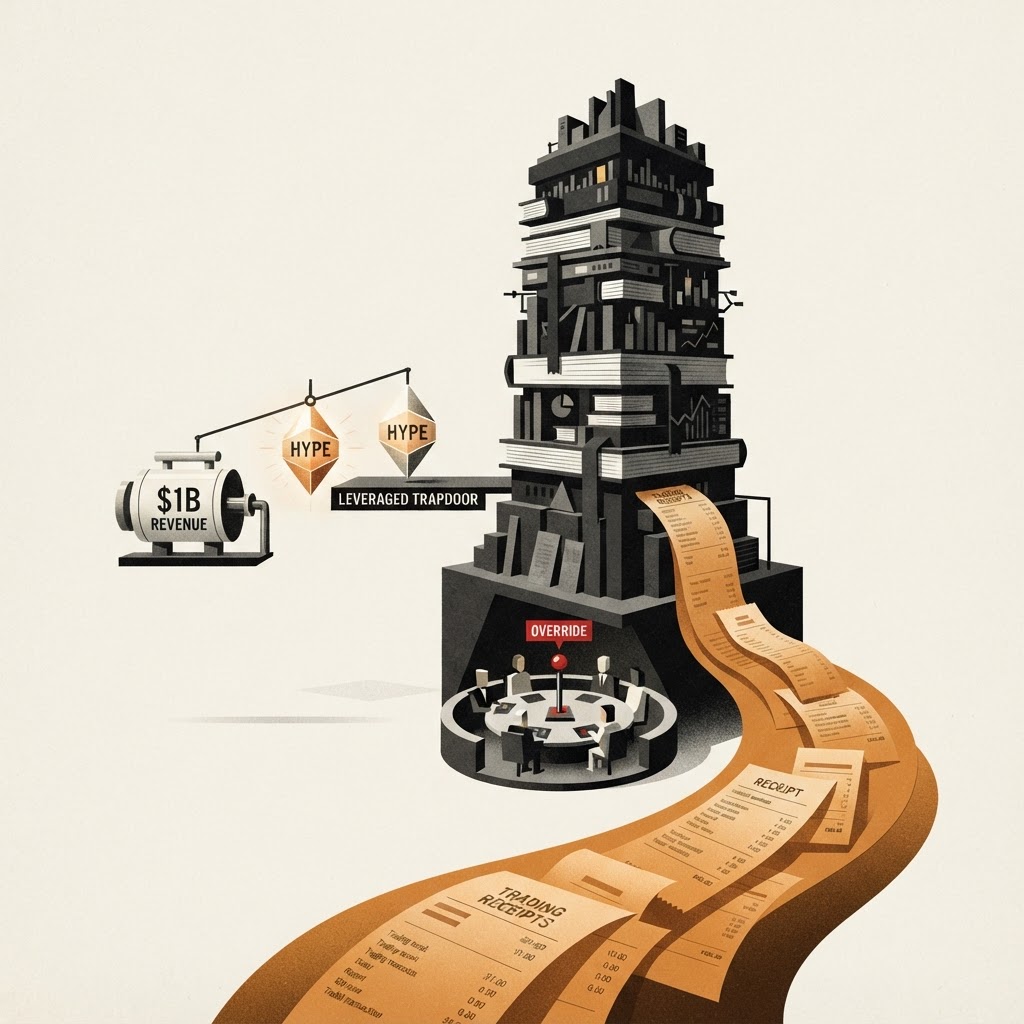
The valuation disagreement is ultimately about duration
Do not extrapolate one interim report into a permanent growth rate. Use a reverse DCF to examine how long the price requires growth to last, then separately model sustained plush strength, successful cross-category expansion and a cooling trend. Margins, inventory and reinvestment must also change consistently—not just the revenue assumption.
The next valuable disclosure may not be a seventh billion-yuan IP. It may be a return to growth outside plush and evidence of sustained regular-price sales and cash collection. Undisclosed cross-IP and cross-category customer and repeat-purchase data belong on an investment risk checklist as unknowns. Cumulative membership is not a substitute.
Pop Mart has demonstrated that the leading character can change. A higher valuation demands another demonstration: when the fashion on stage changes, the audience still pays to come back.
Recent posts













































Frequently asked questions
What does a 112% plush contribution mean?
It measures incremental revenue. H1 2026 plush revenue increased by approximately RMB3.686 billion while group revenue increased by RMB3.297 billion. The ratio using unrounded figures is 111.8%; other categories combined declined by around RMB389 million. It is neither a growth rate nor a profit share.
Is THE MONSTERS revenue the same as LABUBU revenue?
No. THE MONSTERS is an IP series that includes LABUBU and other characters. The reported RMB4.454 billion and 26.0% group share refer to the series, not LABUBU alone.
How can IP diversification and product concentration happen together?
They are overlapping dimensions. One plush item also belongs to an IP. Growth across several IPs can reduce single-IP concentration while increasing the plush category's share. Those shares cannot be added.
Does this article predict a fall in Pop Mart's share price?
No. It examines growth sources and valuation assumptions without a price target. Repeatable IP creation can have lasting value, but cross-category demand, regular-price repeat purchases and cash flow—not hit counts alone—must support the thesis.
Use Valuefocus to organize Pop Mart's financial evidence and keep IP succession, product concentration and demand duration as separate assumptions. Give each growth claim a source and a condition that could disprove it before deciding whether the price is justified.
Download Valuefocus