
Deep Analysis9 min read
Should You Short Nvidia Because Michael Burry Is?
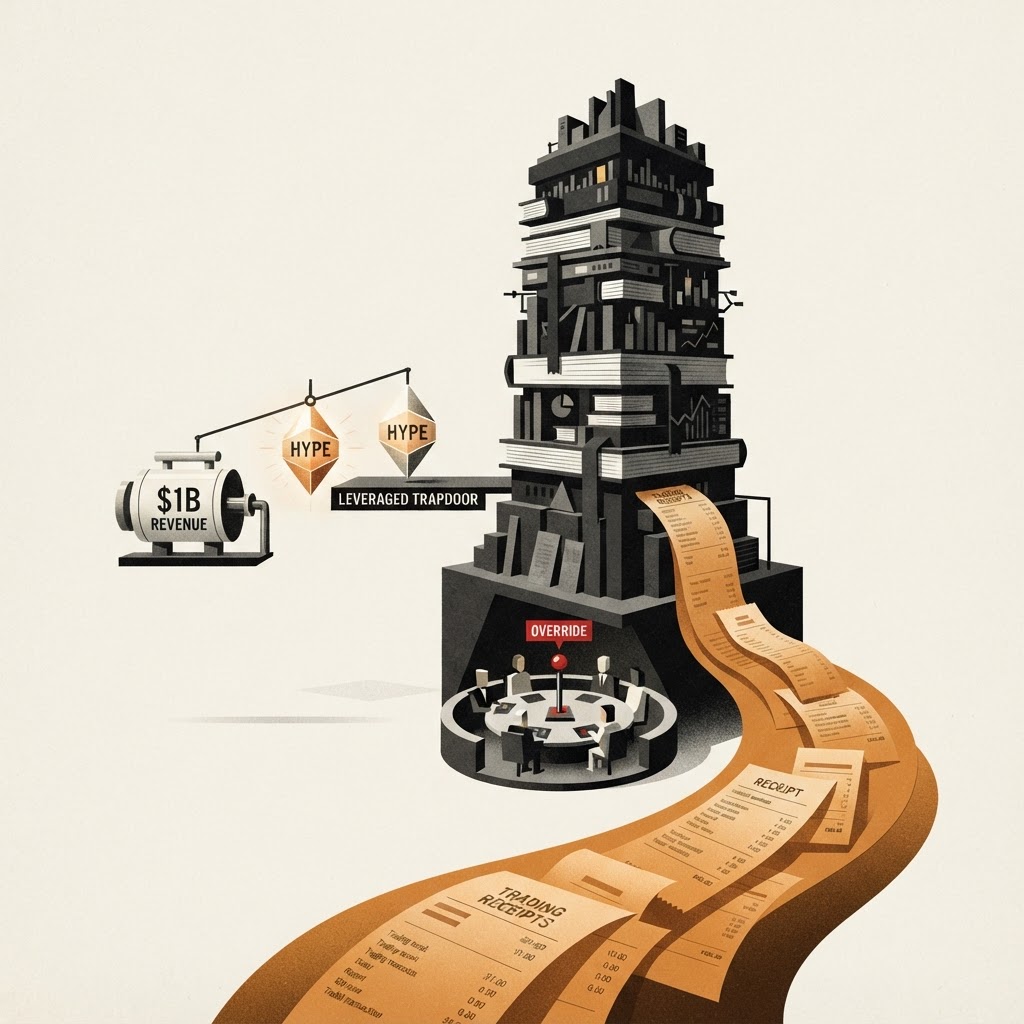
The loudest post on X today: the man who predicted 2008 is reportedly short Nvidia, Palantir and SpaceX — over a billion dollars betting the market mirrors the 2000 dot-com bubble. The instinct is to follow. Before you do, run the trade through the masters who would never copy anyone.

The headline everyone wants to copy
It is the perfect viral trade. A legendary contrarian — the protagonist of The Big Short — is reportedly short Nvidia and Palantir, and is said to be betting against the most hyped IPO of the cycle, SpaceX. His framing is irresistible: today's market is "mirroring the 2000 dot-com bubble," and a crash is coming. Screenshots fly; everyone wants in.
But a headline is not a position. Copying the trade means buying a story you didn't build, with a structure you may not understand, at a moment you didn't choose. The fresh question is not "is he right about the bubble?" — we cover that elsewhere. It is sharper and more practical: even if he is eventually right, is following his short a trade you can actually survive? Run it through four investors who built fortunes by refusing to copy anyone.
Buffett: if you can't value it, you can't short it either
Warren BuffettRisk comes from not knowing what you are doing. Never invest in a business you cannot understand.
- Buffett's first filter applies to shorts exactly as to longs: if you cannot confidently model a company's economics, the correct position is zero — long or short. Copying Burry's short doesn't import his understanding; it only imports his conclusion.
- He has famously avoided shorting for decades despite spotting overvaluation, precisely because being right on value and wrong on timing can still ruin you. The pain of a short that keeps rising is not theoretical — it forces you out at the worst moment.
- The Buffett test here is brutal: write down, in one sentence, why Nvidia is worth less than its price using numbers you verified yourself. If you can't, you are not making Burry's trade — you are gambling on his reputation.
Lynch: never bet against what you don't own (or understand)

Peter LynchKnow what you own, and know why you own it. Invest in what you understand.
- Lynch's entire method is built on first-hand understanding — buying businesses you can explain to a child. A copied short is the opposite: you are betting heavily against a company whose products, customers and competitive position you may have never studied.
- He warned that the most dangerous trades are the ones you take on someone else's authority. A famous name attached to a position is not research; it is a substitute for it. The conviction you need to hold a losing short through pain has to be your own.
- Applied here: before shorting Palantir or Nvidia, could you argue the bear case unprompted — the real one, about valuation and durability — without citing Burry at all? If not, Lynch would say the trade isn't yours to make.

A short you copied is the worst kind of position: maximum conviction borrowed from someone else, maximum pain delivered entirely to you.
Klarman: respect the asymmetry of a short
Seth KlarmanAvoid permanent loss of capital. Understand the shape of the downside before the size of the upside.
- Klarman's obsession with downside is decisive here. A long position can fall to zero — a defined, survivable loss. A short has the mirror-image risk: as the stock rises, the loss grows without limit, and the position grows against you exactly when you most want to exit.
- Worse, a richly-valued momentum stock can keep climbing on narrative long after it is "expensive." The market can stay irrational longer than your margin account can stay funded — and a margin call closes the trade for you, at the loss.
- His response is not "never short" but "demand an enormous, structural edge before you do." Copying a celebrity short gives you the opposite: crowded positioning, no private insight, and a payoff that punishes you for being early.
Marks: being early is the same as being wrong — until it isn't
Howard MarksYou can be right and still lose money if your timing is off. Second-level thinking beats first-level reactions.
- Marks separates the two questions copycats blur together: is the asset overvalued, and will it fall soon? You can be completely right on the first and ruinously wrong on the second. Burry was famously early before 2008 — and most followers cannot fund the wait.
- His second-level thinking asks what is already priced in. "Burry is short Nvidia" is now public and widely shared — first-level information. The crowded, obvious version of a contrarian trade is rarely where the edge lives.
- The disciplined move is not to mimic the position but to ask the better question: where is the pendulum between fear and greed, and what is my own evidence? Marks would rather miss the trade than take a timing-dependent short on borrowed conviction.
So what should an ordinary investor actually do?
The four masters don't vote on whether Burry is right — they vote on whether you can copy him, and the answer is a unanimous no. Buffett: you can't short what you can't value. Lynch: don't bet against what you don't understand. Klarman: the unlimited downside makes a borrowed short uniquely dangerous. Marks: early and wrong feel identical, and you lack the staying power he has.
The constructive version of this trade isn't a short at all — it is a portfolio review. Open every AI-exposed name you own and write the one sentence that must stay true for its price to make sense, then ask whether it depends on narrative, cheap capital, or a genuinely durable edge. That tells you where you are exposed if Burry is right, without taking on an unlimited-downside bet you didn't build. Use a reverse-DCF to see exactly how much growth your holdings already price in.
You don't need to short the bubble or defend it. You need to know what you own and why — and Valuefocus runs the Buffett, Lynch, Klarman and Marks frameworks across any stock on your watchlist, one master at a time.
Recent posts












































Frequently asked questions
Is Michael Burry actually shorting Nvidia and SpaceX?
The claim is circulating widely on social media and is the basis of this discussion, but position details from any individual investor are often delayed, partial, or unverifiable in real time. The point of this article is not to confirm his trade — it is that copying any famous short is dangerous even if the report is accurate.
Why is shorting riskier than buying?
A long position can only fall to zero, so your loss is capped at what you invested. A short loses money as the stock rises, and there is no ceiling on how high a stock can go — so the potential loss is theoretically unlimited, and the position grows against you exactly when you want to exit.
Can you be right about a bubble and still lose money?
Yes — this is the core risk of shorting. Valuation tells you what should happen eventually; it says nothing about when. An overvalued stock can keep rising for months or years on momentum and narrative, forcing early short-sellers out at a loss before they are proven right.
Is this investment advice?
No. This article applies public analytical frameworks to a public, widely-discussed topic for educational purposes and makes no recommendation about any security or trade.
Don't copy a short — understand what you own. Run all four master frameworks on any stock in Valuefocus:
Download Valuefocus