
Deep Analysis10 min read
Does Anthropic Have a Moat? Running the Buffett Test on AI Labs
Every AI lab claims a moat. Buffett's taxonomy gives us a way to test the claim instead of admiring it — switching costs, network effects, cost advantage, and intangibles, scored one at a time.

The claim every AI company makes
Anthropic — the maker of Claude and, by reported revenue run-rates, one of the fastest-growing enterprise software businesses ever — sits at the center of the most expensive question in markets today: do frontier AI labs have durable competitive advantages, or are they capital-intensive leapfrog contests where today's lead is tomorrow's baseline?
Buffett's framework is useful precisely because it ignores the technology. He doesn't ask "how good is the model?" He asks "what stops a well-funded competitor from taking these customers in five years?" Let's run the four classic moat sources against what is publicly known.
The Buffett test, source by source
Warren BuffettThe key to investing is determining the durability of a company's competitive advantage.
- Switching costs — the strongest candidate. Once Claude is wired into a company's coding pipelines, document workflows, and compliance reviews, ripping it out has real cost. Enterprise integration depth, not model quality, is where this moat is dug.
- Network effects — weak so far. More users do not directly make the model better for other users the way a marketplace compounds. Feedback data helps, but it is a treadmill all labs run on.
- Cost advantage — currently inverted. Frontier labs bid against each other for the same chips, power, and researchers. Scale buys access, not advantage — until inference efficiency diverges durably.
- Intangibles — underrated. Anthropic's safety-first brand functions like a trust mark in regulated industries (finance, healthcare, government). Trust is slow to build and slow to erode — the most moat-like asset in the building.
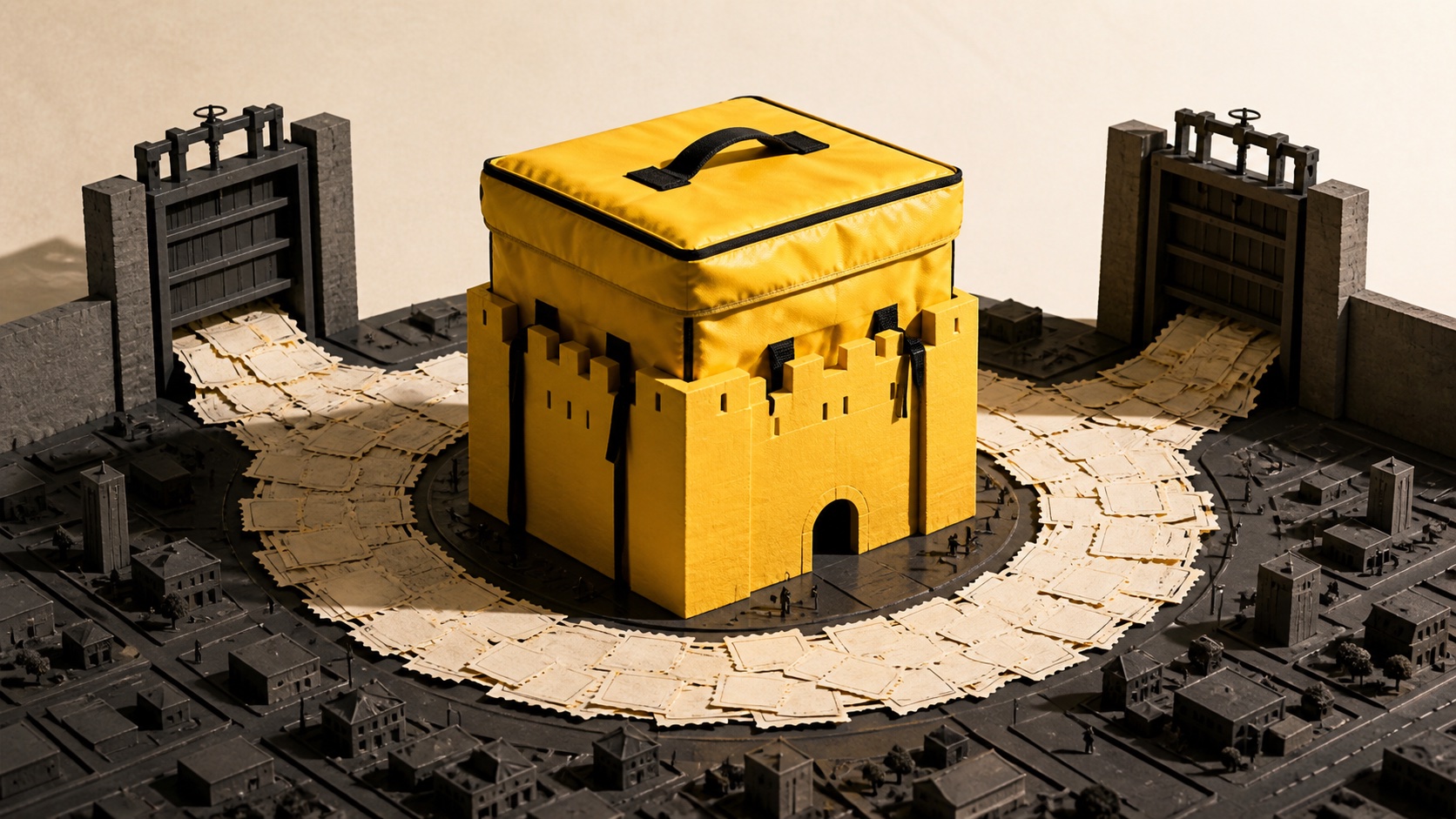
In business, I look for economic castles protected by unbreachable moats. The castle here is impressive. The question is the water level.

A moat scorecard, not a verdict
Here is the framework laid out as a scorecard. The scores are questions, not answers — fill them in yourself each quarter as facts arrive. What matters is the trend: moats in formation deepen; mirages evaporate.
| Moat source | Today's evidence | What would deepen it |
|---|---|---|
| Switching costs | Deep enterprise integrations; agentic workflows embedded in codebases | Multi-year contracts; tooling lock-in; rising per-customer usage |
| Network effects | Limited direct effects; some ecosystem pull via developer tools | A true platform layer where third parties build and stay |
| Cost advantage | Shared chip suppliers; compute deals offset by rivals' deals | Durable inference-cost lead reflected in gross margins |
| Intangibles | Safety brand; enterprise trust; regulatory readiness | Becoming the default in compliance-heavy industries |
Marks' cycle lens: where are we in the pendulum?
Howard MarksYou cannot predict. You can prepare. Know where you stand in the cycle.
- Capital availability — the most reliable cycle gauge — is at maximum generosity for AI: record private rounds, compute commitments in the hundreds of billions, and infrastructure spending that assumes demand will arrive on schedule.
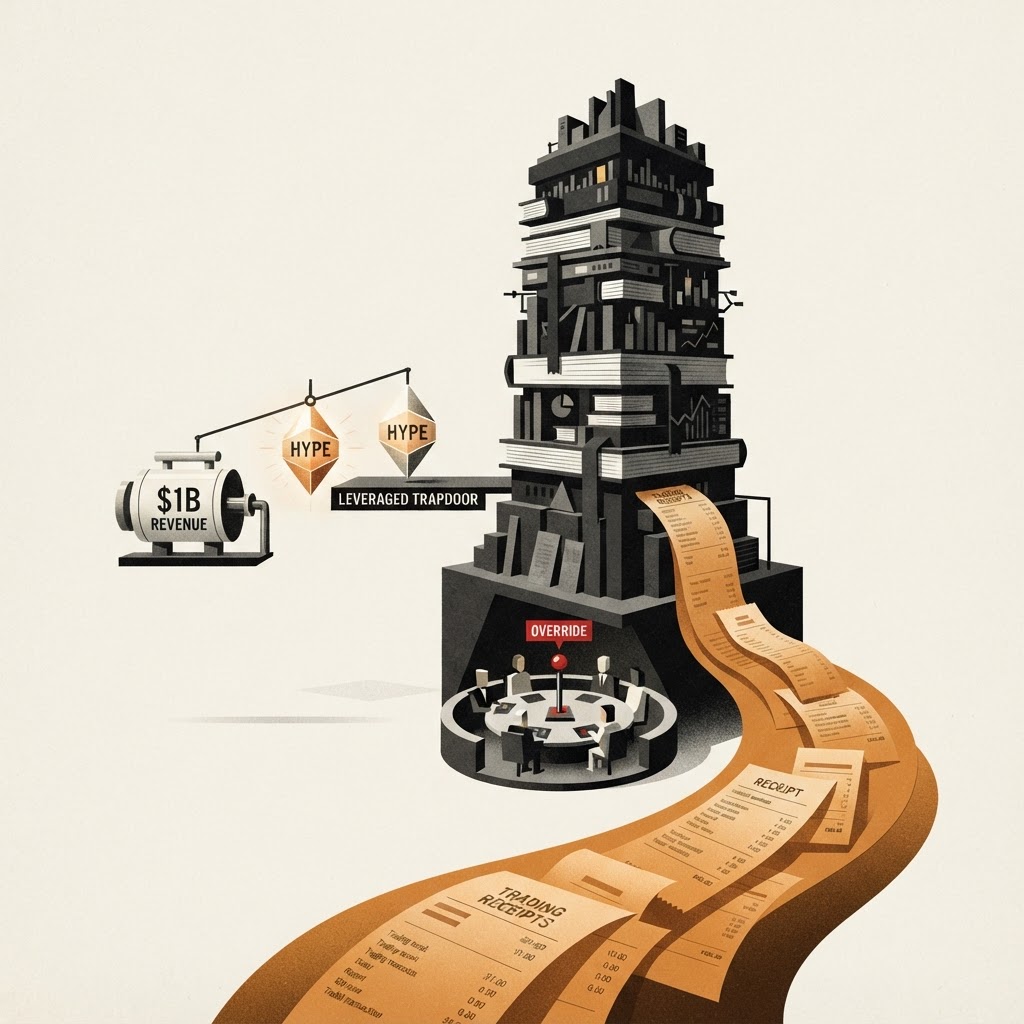
- Marks' warning applies regardless of how the technology plays out: when capital is free, returns on capital compress. The better the story, the more competition it finances — including competition against Anthropic.
- The prepared investor's move is not to call the top. It is to know which assumptions in any AI valuation are cycle-dependent (funding costs, talent prices, compute terms) and which would survive a freeze.
Klarman's discipline: valuing what resists valuation
Seth KlarmanThe harder something is to value, the larger the margin of safety must be.
- Klarman would start from the only hard numbers available: reported revenue run-rates, disclosed compute commitments, and the cash burn implied between them.
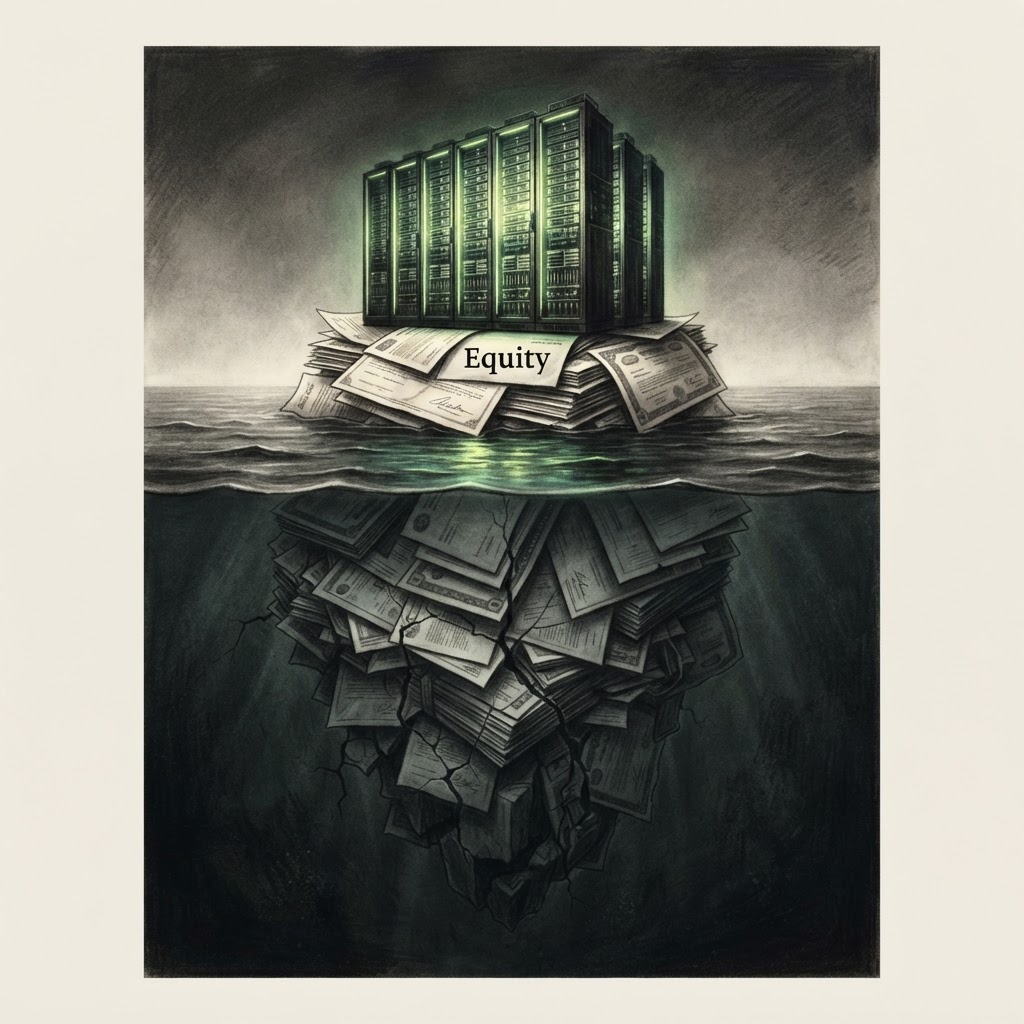
- He would then refuse the false choice between "can't value it" and "pay any price." Uncertainty doesn't remove the need for a valuation — it widens the discount you demand from your best estimate.
- And he would note the asymmetry: in private markets, you cannot average down on your own terms. The margin of safety must be in the entry price, because there may be no second chance to buy the dip.
What this means for the rest of us
Most readers will never buy pre-IPO Anthropic shares. But the same moat test applies to every AI-adjacent stock in your watchlist — the chipmakers, the cloud platforms, the software companies bolting on AI features. The question is identical: is this advantage durable, or is it a lead being rented at great expense?
Run the four-source scorecard on any company you own. If you can't fill in the "what would deepen it" column with observable facts, you don't have a moat thesis — you have a hope. Valuefocus's Master Lens walks you through exactly this checklist, one master's framework at a time.
Recent posts







































Frequently asked questions
Is Anthropic publicly traded?
No. Anthropic is a private company as of this writing. Reported valuations come from private funding rounds and secondary transactions, which are less price-discovered than public markets.
How is Anthropic different from OpenAI as a business?
Both are frontier labs, but their reported revenue mix differs: Anthropic's revenue skews heavily toward enterprise and API usage (notably coding), while OpenAI has a larger consumer subscription base. Different mixes imply different moat sources — switching costs versus brand-led distribution.
Is this investment advice?
No. This article applies public analytical frameworks to public information for educational purposes and makes no recommendation regarding any security.
Run the moat checklist on any stock — through the eyes of the masters, in Valuefocus:
Download Valuefocus