
AI & Valuation10 min read
The Neocloud Gold Rush: Are CoreWeave and Its Rivals the Next Infrastructure Champions — or a Debt-Fueled Cyclical Bubble?
It's the sexiest business of 2026: buy GPUs, rent them out, pocket the spread. Revenue doubles, backlog explodes, the stock soars. But Howard Marks would ask: where are we in the cycle? Buffett would ask: is there actually a moat here? This piece cross-examines both — with live data.

Overnight, "Renting GPUs" Became the Sexiest Business on Earth
This summer of 2026, one word is flooding the tech-finance headlines: neocloud. The Information has reported it in waves — SoftBank spinning up a new unit to rent AI compute to U.S. companies, Kuaishou's Kling video unit raising at a $15 billion valuation ahead of an IPO, and at the center of it all, CoreWeave, pushing its contracted backlog from $66.8 billion at the end of 2025 to more than $90 billion. The market's narrative is blunt: this is the "picks-and-shovels" play of the AI era.
The neocloud model is simple to the point of being crude: buy Nvidia's latest GPUs at scale, build data centers, and rent them out by the hour to companies that need to train large models but don't want to build their own facilities. No software, no end users, no fight for the hyperscalers' ecosystem — it sells exactly one thing: compute. In a world where GPUs are impossible to get, that sounds like a money-printing machine.
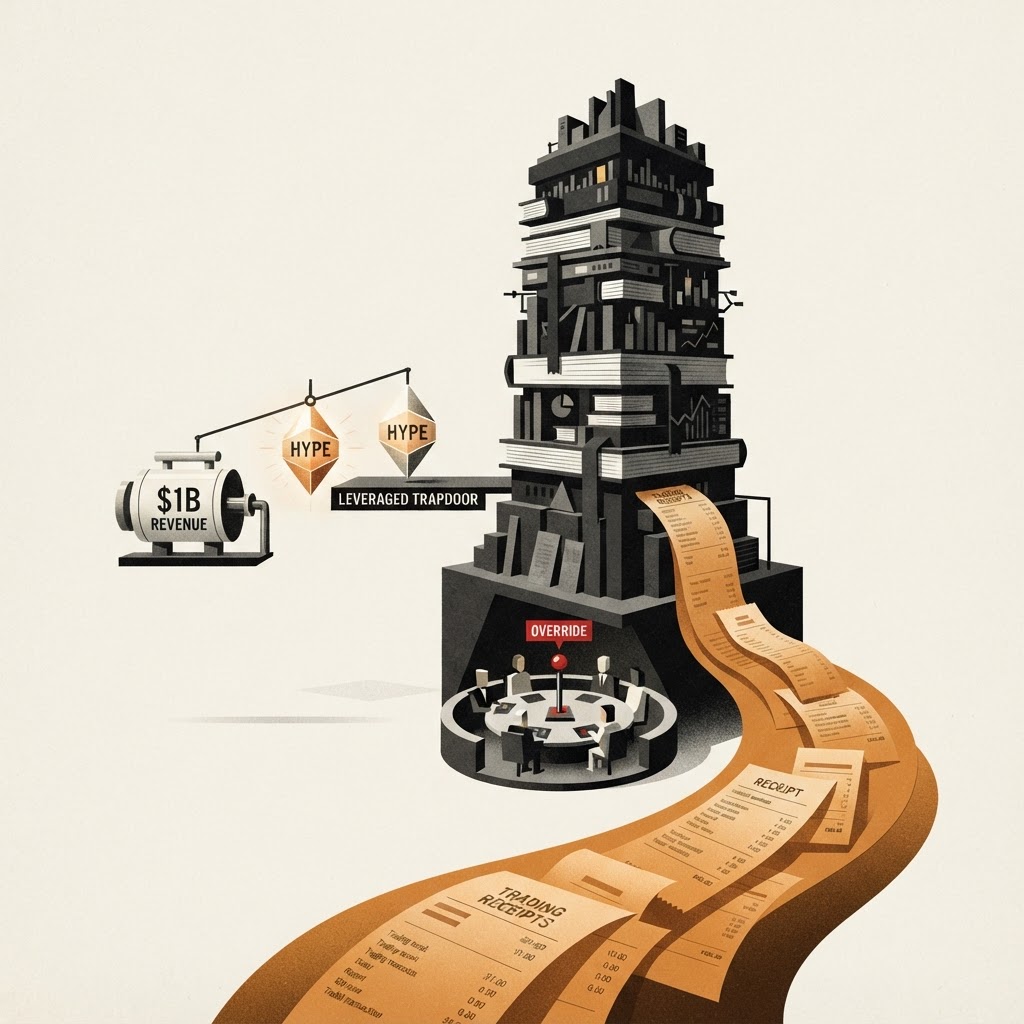
And the numbers really are beautiful. CoreWeave reported $2.08 billion in Q1 2026 revenue, up a blistering 112% year over year, with adjusted EBITDA margins around 56%. It crossed $5 billion in annual revenue faster than any cloud platform in history. Read only those lines and you'd think you were looking at the next AWS. But the first lesson of value investing is exactly this: a gorgeous top line on the income statement often hides a secret at the bottom of the balance sheet.
Turn to Page Two: Three Structural Cracks Behind 112% Growth
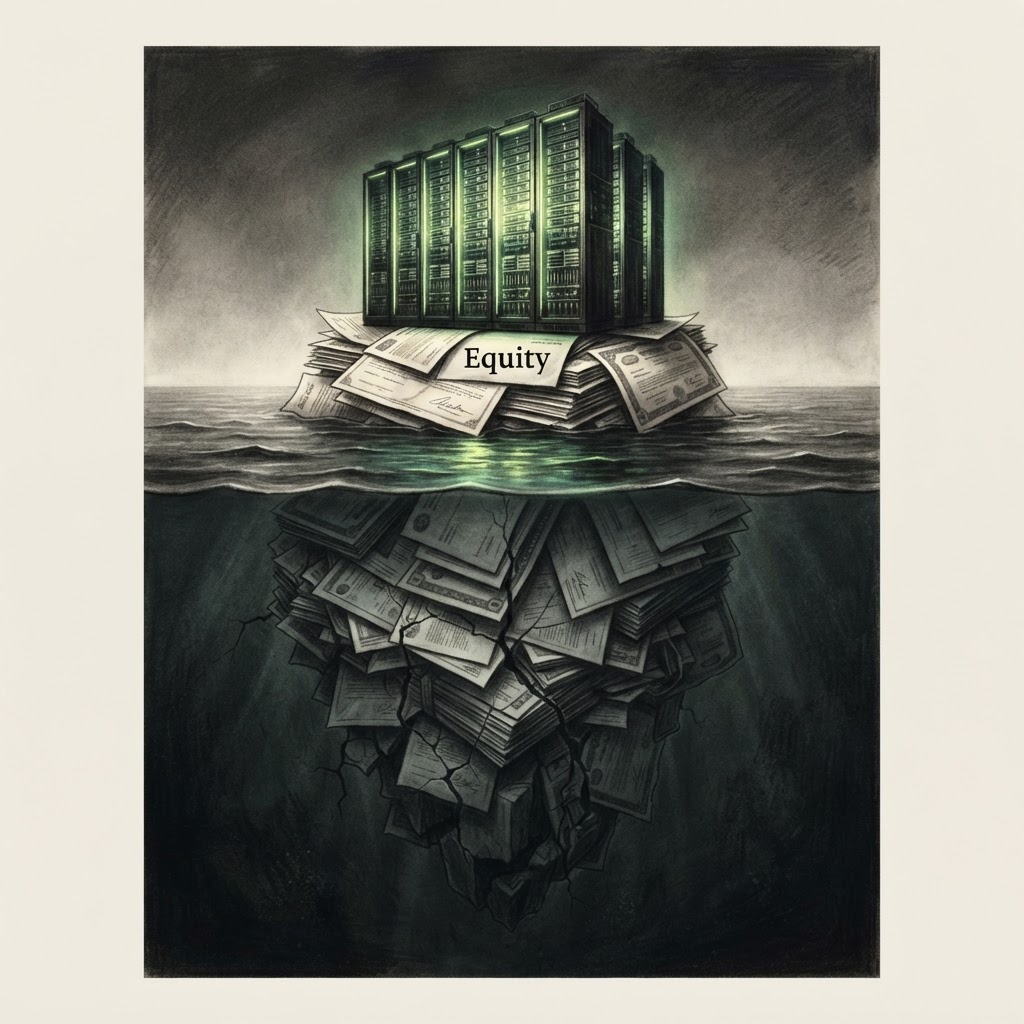
That same Q1 filing carries two other numbers: a $740 million quarterly net loss, and total debt approaching $30 billion. The growth is real; so is the cash burn. That's not a contradiction — it's the essence of the neocloud model, an intensely capital-heavy business amplified by leverage. Hence the first crack: capital structure. CoreWeave faces roughly $4.2 billion of principal due in 2026, and analysts have summarized the model with unsettling accuracy: "borrow aggressively, build like crazy, and pray AI demand never stops."
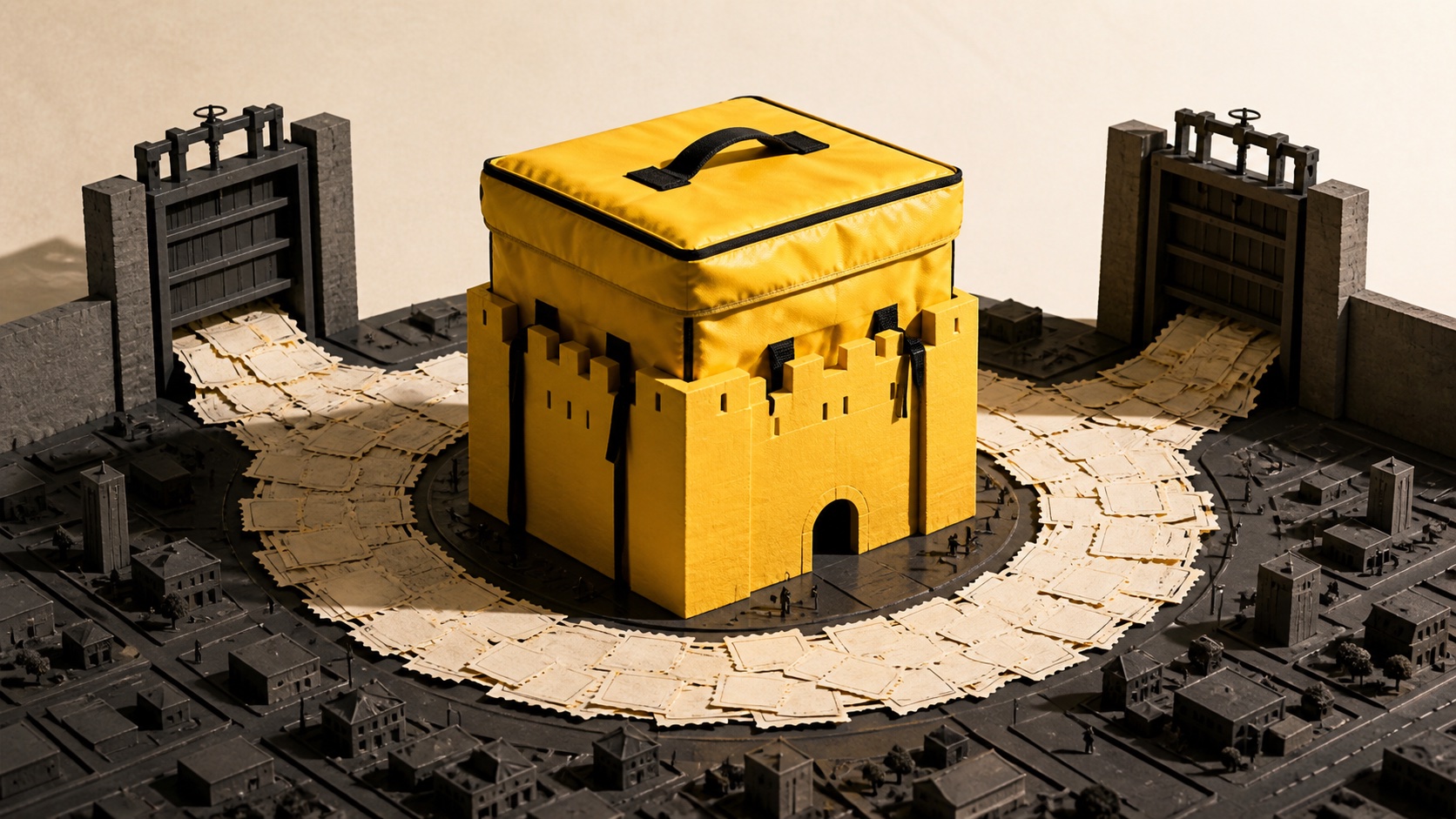
The second crack is customer concentration. A giant backlog looks solid, but those contracts are concentrated in a handful of mega-clients — Microsoft once accounted for the vast majority of CoreWeave's revenue, and the later Meta and OpenAI deals are again "a few contracts holding up the whole building." Which means: the moment one hyperscaler decides to build in-house or moves its orders to a rival, that backlog number can lose its meaning overnight. You rent out compute, but what you truly depend on is one or two tenants who can walk out at any time.
The third crack is the most hidden and the most lethal: depreciation. A GPU isn't real estate; it's a fast-decaying piece of high-tech consumable. Nvidia ships a new generation every 12 to 18 months, and the rental rates and resale value of the previous generation fall off a cliff. Neoclouds use long depreciation schedules to make current profits look pretty, but in the real world a three-year-old GPU cluster is already struggling to train the newest models. The cruelty of the math: you borrowed on 20-year terms to buy an asset that's obsolete in three.
Howard Marks Would Ask: Where Are We in the Cycle?
To judge neocloud, the first master to summon is Howard Marks. His life's work insists on one thing: what matters is not "what will happen," but "where we stand in the cycle." And every feature of the neocloud gold rush lands squarely on Marks's checklist of cycle-top symptoms.
Think of the list from Mastering the Market Cycle: a new species is born, narrative overwhelms fundamentals, capital floods in without discipline, "this time is different" becomes consensus, and risk premiums are compressed to nothing. Neocloud checks every box — a business model that didn't exist three years ago now carries multibillion-dollar valuations; investors are buying the story of a $90B backlog, not the reality of a $740M net loss; and bond markets lend at low rates to a business that runs on prayer. Marks's famous line: "We should be more cautious when others are less."
This doesn't mean neocloud must crash — Marks never predicts timing, he only calibrates odds. But he'd remind you: at this point in the cycle, the good news is fully priced in, while the downside from bad news (a lost anchor client, a rate hike, a GPU generation obsoleted early) is far larger than any remaining upside. That is exactly where Howard Marks's framework earns its keep: it doesn't tell you what to buy, it tells you how tight to fasten your seatbelt right now.

Buffett Would Ask: Is There Actually a Moat Here?
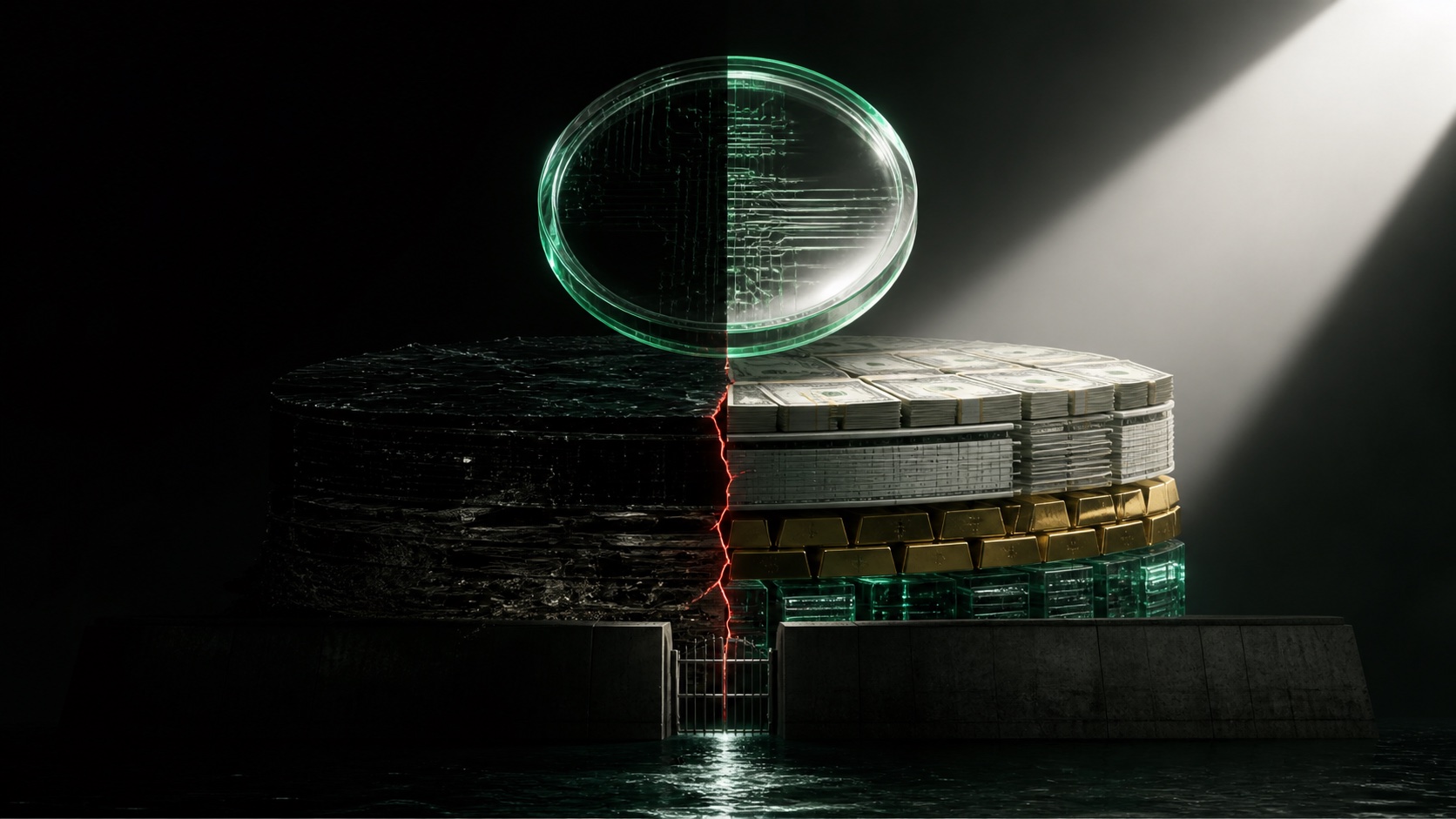
The second master to take the stage is Buffett, who cares about only one question: where is this business's moat? And neocloud is a sharp counter-example to moat theory. Its core asset — the GPU — is a standardized commodity that anyone with money can buy from Nvidia. You can rent it out; so can your rival. You can borrow to expand; so can they. When the barrier to entry is merely "do you have the cash to buy cards," that isn't a moat — it's a capital arms race.
A real moat shows up in pricing power. AWS and Azure are great businesses because customers are locked in by data, ecosystem and switching costs, and will pay a premium. Pure GPU rental, by contrast, is highly commoditized: customers rent from whoever is cheapest, and the bargaining power sits with the tenant. That's why neoclouds can double revenue and post net losses at the same time — they're buying growth with price wars, and a price war is the most honest financial evidence that a moat is missing.
Buffett might concede that neocloud is a "business that's hot right now," but he'd most likely not call it a "wonderful company worth owning forever." That's the distinction: a good business sustains high returns for years behind a moat, while an arms-race business sees its returns ground down by competition and depreciation. To judge systematically whether a company has a real moat, start with our moat glossary entry, then use the DCF calculator to translate the "story" into cash flows.
What Ordinary Investors Should Take: Separate "AI Is Real" From "This Stock Is Expensive"
AI demand is real, and the money neoclouds earn is real too — this article is not a bet against AI. But the discipline of value investing demands we separate two things: the long-term prospects of an industry, and the odds of a single stock at today's price, are entirely different questions. Cisco's fundamentals in 1999 were equally impeccable, yet those who bought at the top waited more than a decade just to break even.
Graham offers the plainest and most useful lesson: first ask whether the company can survive a winter. Open a neocloud's filings and ask three questions — if AI capex slows for a year, can its cash flow cover the debt coming due? If the largest client moves 30% of its orders, how much of the backlog is still gold? If GPU residual value falls faster than the booked depreciation, does net worth evaporate overnight? A company that survives all three deserves the "infrastructure champion" premium; one that doesn't is a beautiful time bomb sitting at the top of the cycle.
This is exactly what Valuefocus is built to help you do. Faced with a narrative-heavy, dazzling-data name like neocloud, our social sentiment radar shows you how euphoric the crowd really is — then the master frameworks take over, measuring the cycle with Marks, the moat with Buffett, and the balance sheet with Graham. The buzz tells you what everyone is buying; the framework tells you whether it's worth buying at this price.
Recent posts







































Frequently asked questions
What is a neocloud?
A neocloud is a new type of cloud provider that buys GPUs (mainly from Nvidia) at scale, builds data centers, and rents out compute by the hour. Leading names include CoreWeave, Nebius, Crusoe and newcomers like SoftBank. They don't build software or end-user ecosystems — they simply supply the compute needed for AI training.
What are the main risks for neocloud companies like CoreWeave?
Three structural risks: a capital structure heavily dependent on debt (CoreWeave's total debt approaches $30B, with roughly $4.2B of principal due in 2026); heavy customer concentration, where a few hyperscalers drive most revenue; and rapidly depreciating core assets, as GPUs are typically a generation behind within 12–18 months. This article is for educational purposes only and is not investment advice.
Which frameworks should I use before investing in neocloud stocks?
Stack three master lenses: Howard Marks on "where we are in the cycle and whether the odds are symmetric," Buffett on "whether there is a real moat backed by pricing power," and Graham on "whether the balance sheet can survive a demand slowdown." Run all three, then combine with valuation, to separate "AI is real" from "this stock is expensive at today's price."
The buzz tells you what everyone is buying; the framework tells you whether it's worth the price. Give neocloud a full checkup with Valuefocus:
Download Valuefocus