
Deep Earnings Research16 min read
Tencent Is Using Its Old Moat to Fund a New AI Company
Excluding new AI products, operating profit rose 19% with a 42% margin. AI products then absorbed roughly RMB10.5B, capex reached RMB52.8B and free cash flow turned negative. The question is whether Tencent is copying Meta’s payoff—or turning an asset-light toll bridge into a compute utility.

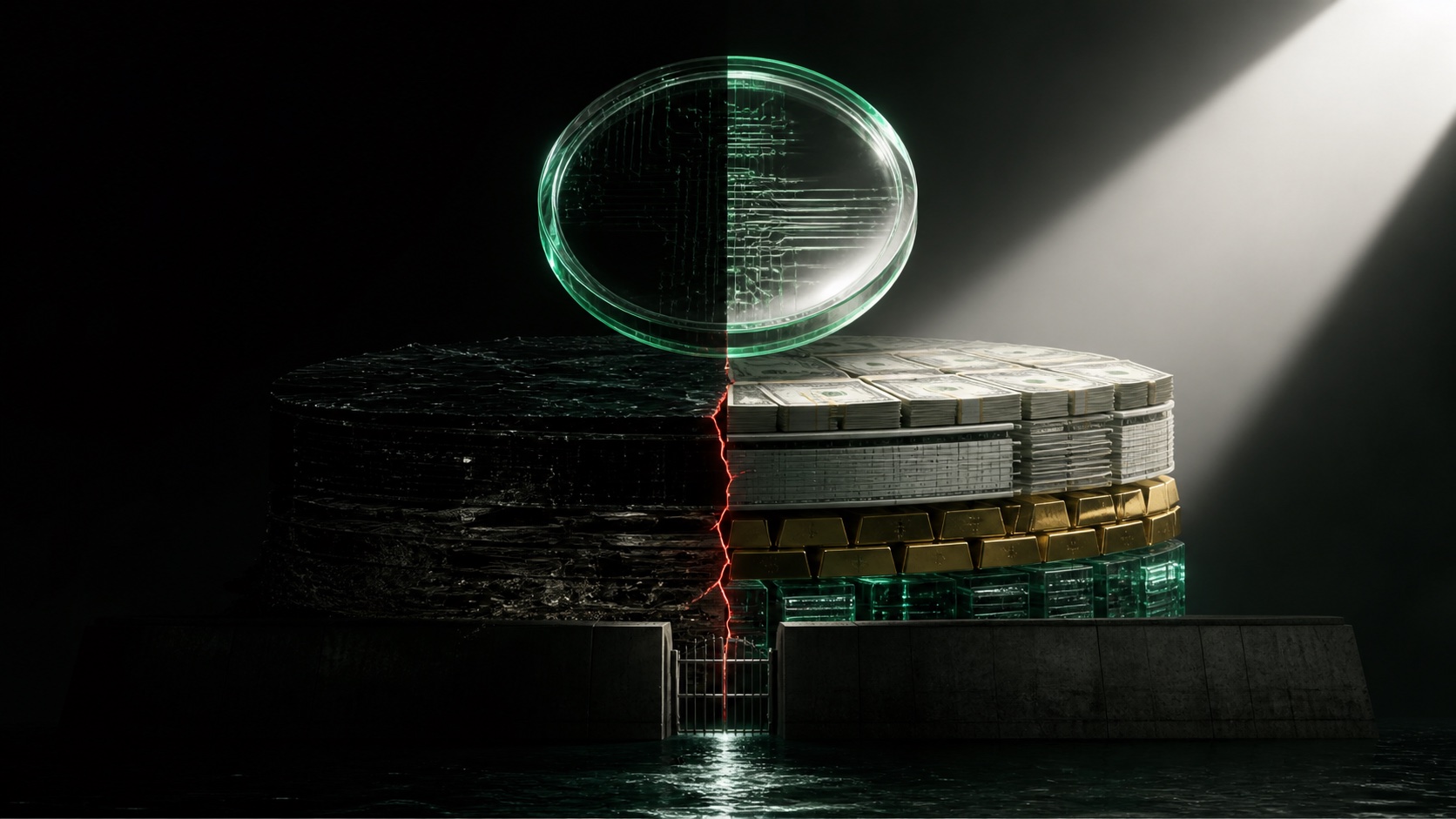
One Report, Two Tencents
Official results show RMB204.8B of revenue. Operating profit excluding new AI products was RMB86.1B versus RMB75.6B reported.
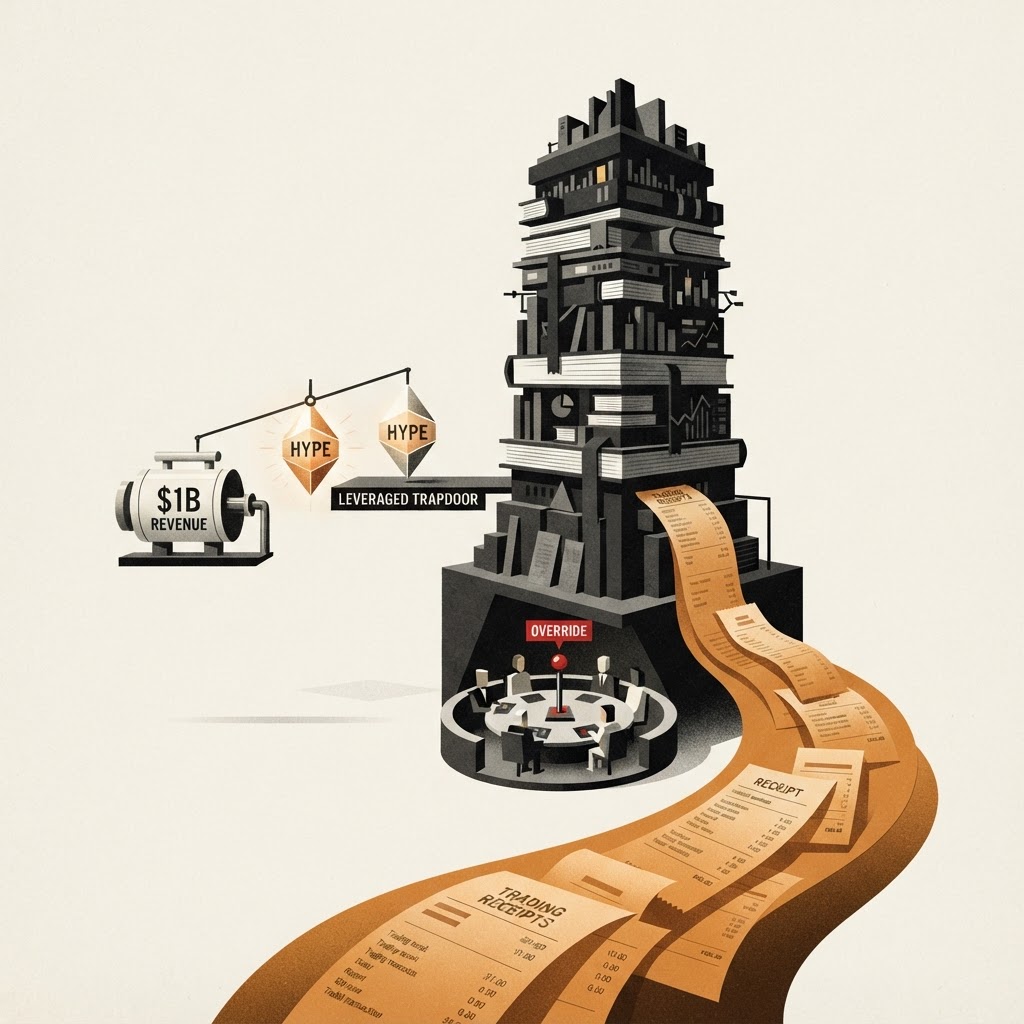
The core platform is a high-return toll road. The AI operation resembles a capital-intensive infrastructure developer. Consolidation hides the allocation question.
The First Profitable AI Product Is Advertising
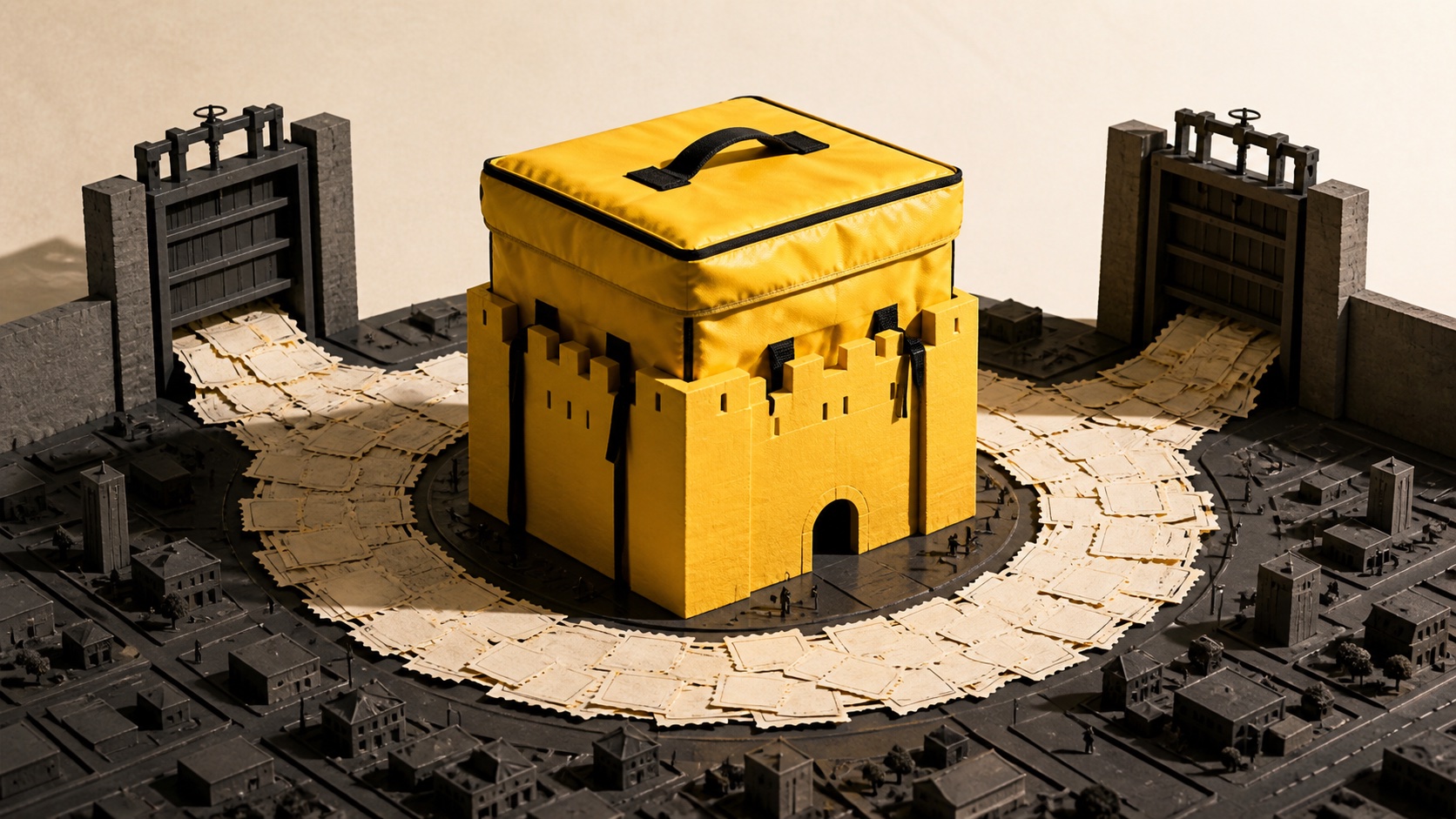
Marketing revenue rose 22% to RMB43.6B as recommendation models improved targeting, creative generation and bidding.
Tencent need not win the chatbot leaderboard. WeChat’s identity, content, payments and transactions let AI monetize directly through conversion.
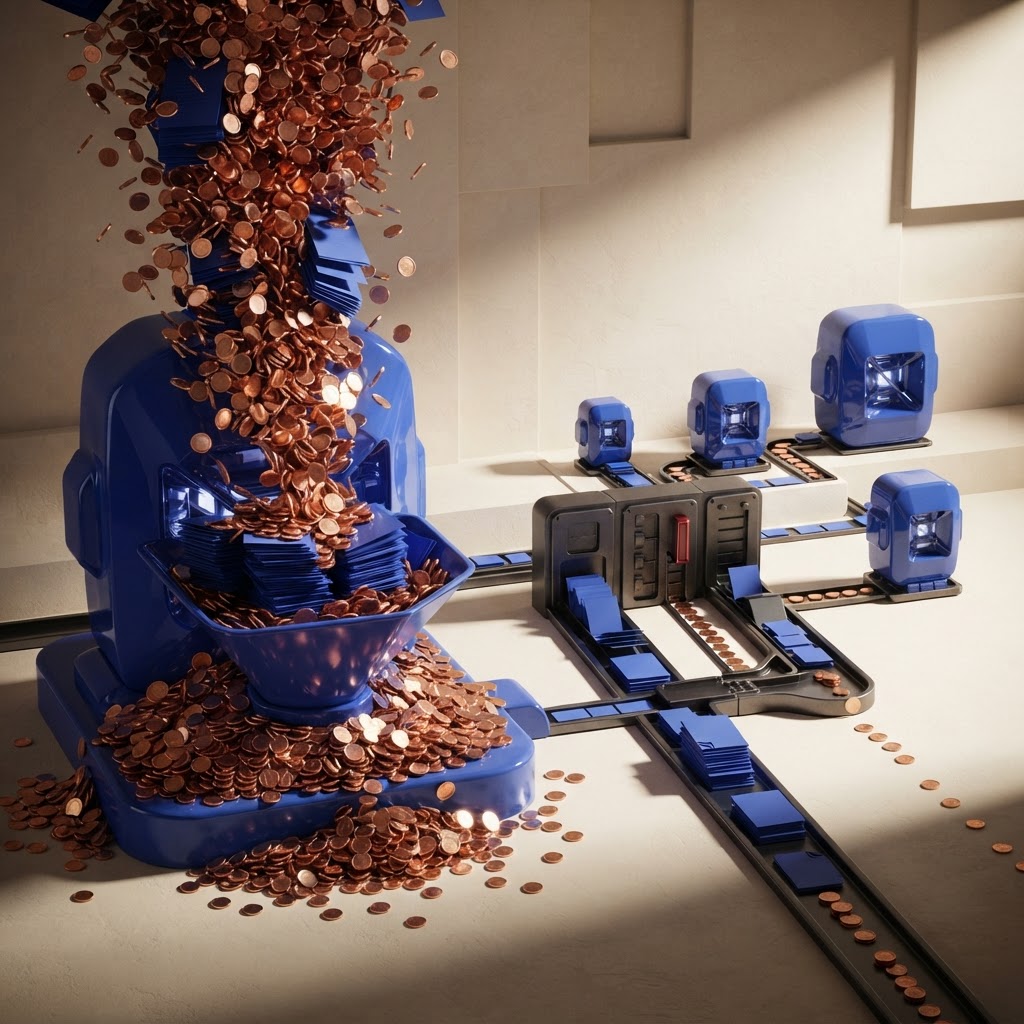
The RMB52.8B Capital Turn
Capex rose 176%, pushing free cash flow to negative RMB13.8B. Excluding compute prepayments, free cash flow was positive RMB37.6B.
The timing distortion is real, but so is the strategic shift from near-zero marginal software distribution to chips, power and depreciation.

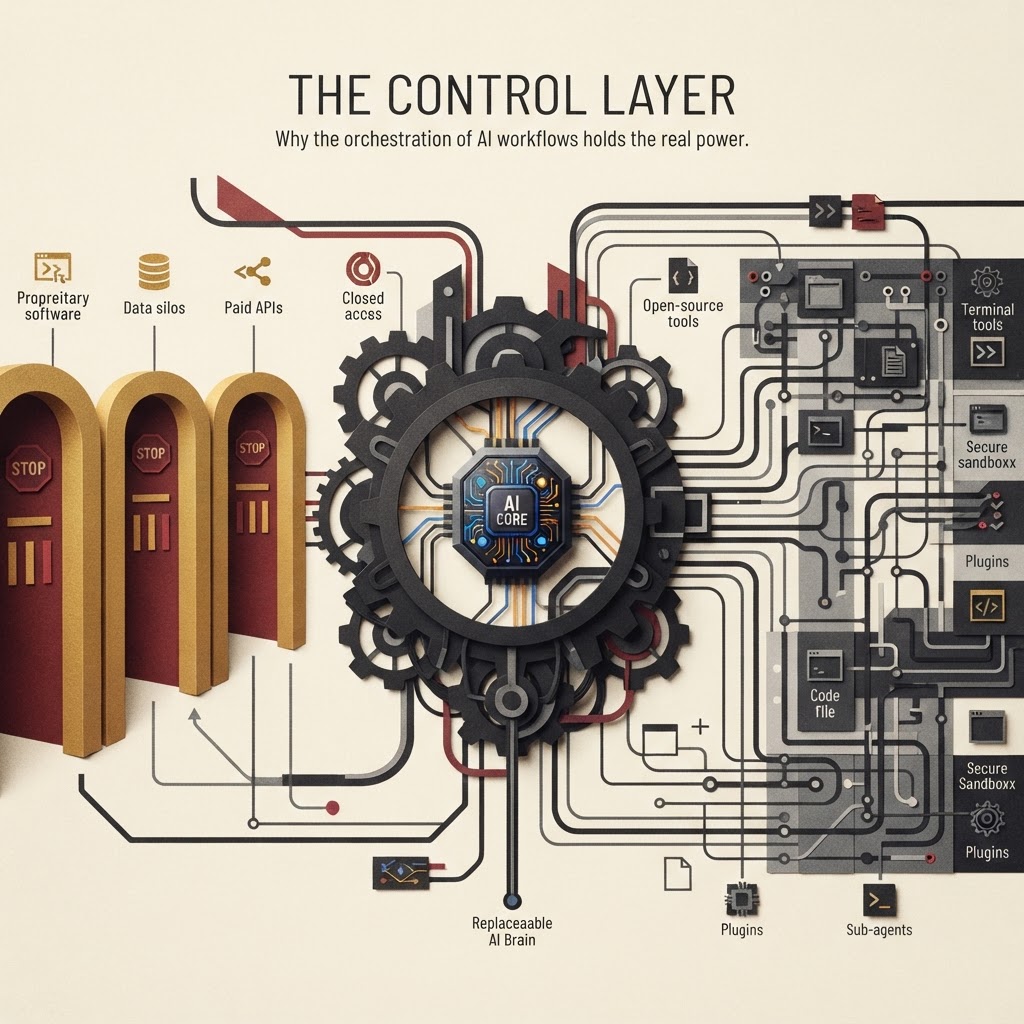
WorkBuddy as a Model Toll Road
Tencent says WorkBuddy can orchestrate multiple models; Hunyuan will not be the only one. The aim is to own workflow, identity and token consumption rather than just rent GPUs.
At HK$461.60, Tencent traded near 15.6 times earnings. Use the reverse DCF to value the core platform separately from AI losses and cloud infrastructure.
The Masters’ Test
Buffett tests returns on incremental capital. Munger examines incentives hidden by cross-subsidy. Fisher values long-term R&D quality. Howard Marks asks whether consensus compute spending will commoditize returns. Graham treats future depreciation conservatively.
The dividing line is not whether capex rose 176%. It is whether each yuan transferred from games and advertising to AI returns as free cash flow above Tencent’s historical cost of capital.
Recent posts





































Frequently asked questions
What was Tencent Q2 revenue?
RMB204.8 billion, up 11% year over year.
Why was free cash flow negative?
AI capex and compute prepayments surged; excluding prepayments, free cash flow was positive RMB37.6B.
Value the core platform, AI losses and compute infrastructure separately.
Download Valuefocus