
Investing Frameworks10 min read
The Subsidy Cliff: When IBM Vaporized 23% in a Day, the Real Question Is — How Much of This Profit Did the Government "Lend" It?
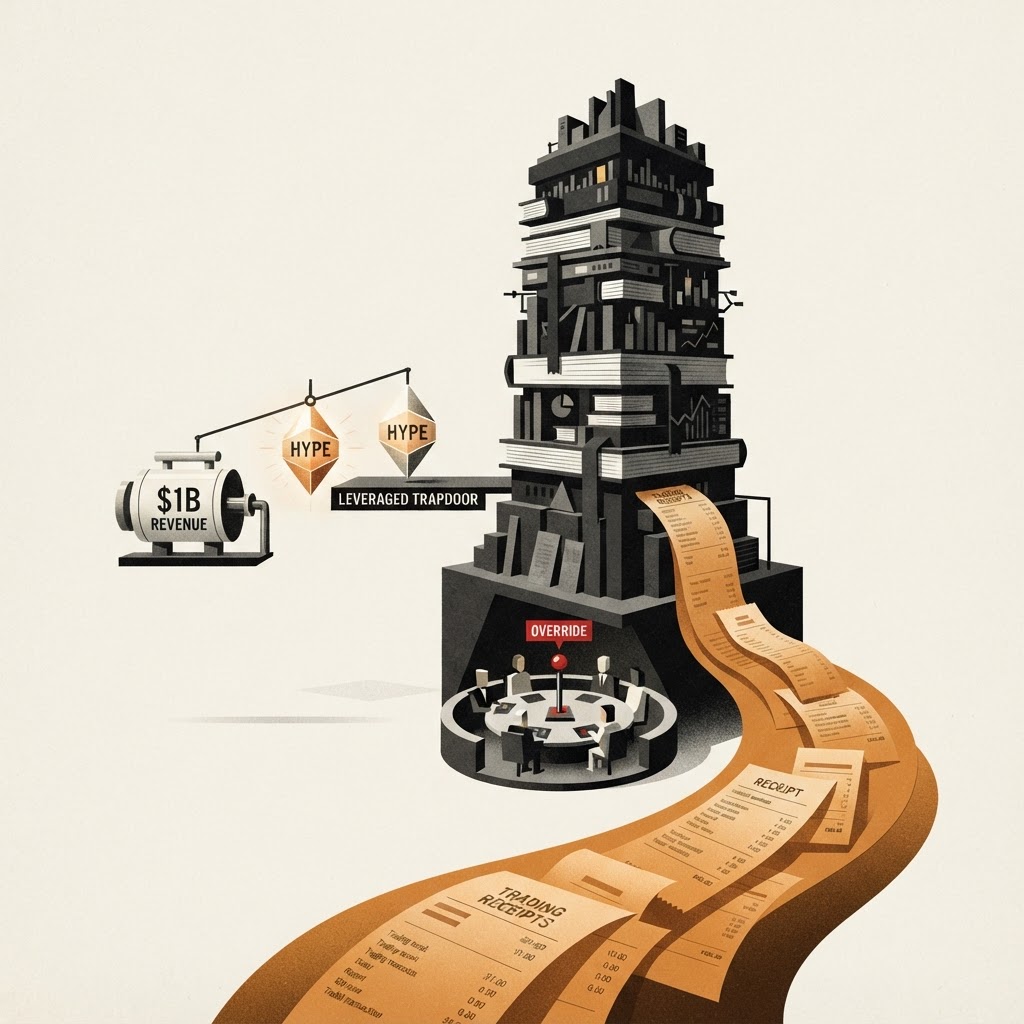
In July 2026, IBM warned as customers shifted budgets to AI servers, and its stock plunged 23%. Meanwhile, the ~$24B CHIPS Act Section 48D tax credit (25%) is only open to projects that break ground by the end of 2026 — a "subsidy cliff" is approaching. Using Buffett's moat, Munger's incentive bias, and Damodaran's "story vs. numbers," we decode the badly underpriced risk of policy-dependent profit.

23% Gone in a Day: The Market Just Taught You a Lesson in Earnings Fragility
In July 2026, IBM dropped a warning: as customers redirected IT budgets toward AI servers and storage, its software and consulting businesses came under pressure, and it guided to adjusted EPS of just ~$2.93, below Wall Street's estimate. The market showed no mercy — the stock cratered roughly 23% in a single session, near its worst day since 1987. Just weeks earlier, IBM had traded near $307, a step away from its 52-week high.
IBM's specific cause was a sudden shift in demand mix, but it tore open a more universal wound: a company's earnings can be far more fragile than you think. When profit depends on an external condition you don't control — where customers point their budget, a single government contract, a tax credit that will expire — that beautiful income statement can be repriced the moment the external condition changes.
For a value investor, IBM's plunge isn't a "buy the dip" signal. It's an invitation to ask a question: of the companies I own, how much profit did they earn themselves, and how much was temporarily lent to them by their environment? This article won't tell you to buy or sell anything — it wants to hand you a ruler to measure the "purity" of a profit.
The Subsidy Cliff: A Profit With an Expiration Date
Turn the camera to semiconductors. The CHIPS Act's Section 48D grants advanced-manufacturing facilities an investment tax credit of up to 25%, roughly $24B in aggregate. That money flows directly into the after-tax profits of companies like TSMC, Intel and Micron. But the crucial detail is buried in the fine print: the credit is only open to projects that break ground by December 31, 2026.
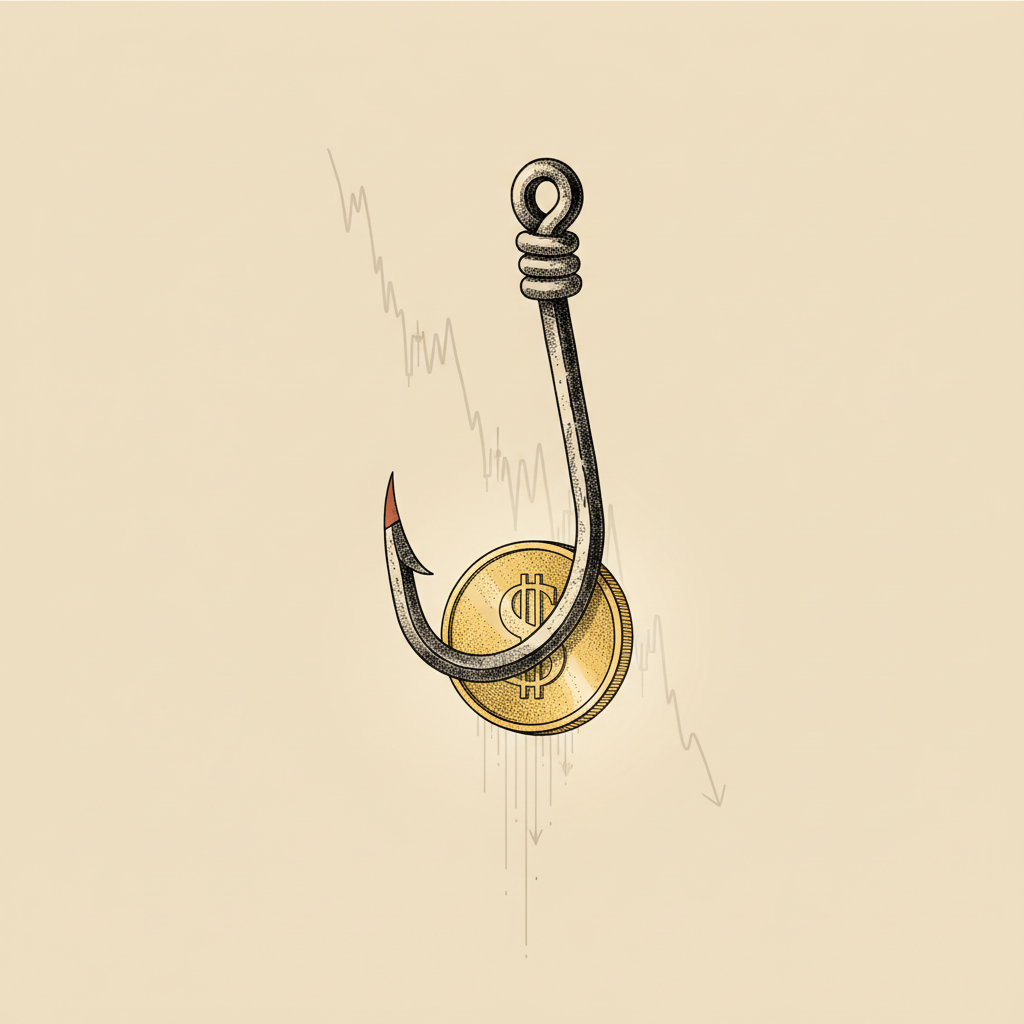
In other words, some of these companies' current "high profit" rests partly on a policy windfall with a hard deadline. That's the "subsidy cliff" — today's reported margin can suddenly lose a large chunk of support in some future quarter when a policy expires or pivots. And the market often prices this "one-time / time-limited" profit at "normalized" valuation multiples. The gap between the two is the risk.
This isn't only a semiconductor story. From IBM's government consulting contracts, to EV purchase incentives, to clean-energy production credits, more and more industries have a hidden line of "policy dependence" woven through their income statements. The value investor's job is to find that hidden line, pull it out, and look at it alone: strip out the subsidy, and does the business itself still make money?
Buffett's Moat: A Rented Advantage Is Not a Real Advantage
Buffett spent his life buying one kind of company: those with a wide, durable moat. And the moat he defines comes from the business itself — powerful brand pricing power (Coca-Cola), an unmatched cost structure (GEICO), network effects that grow stickier with use. What these advantages share is that they belong to the company; they don't vanish because of one election or the expiry of one bill.
A government subsidy is the opposite. It can sharply inflate margins in the short run, making a mediocre business look like a great one. But it's a "rented moat" — when the lease ends, the tide goes out. Buffett would ask, coldly: if you strip out this subsidy, does the company's return on capital still hold up? If it doesn't, then you didn't buy a company with a moat — you bought a policy contract with an expiration date.
The test here is plain: a real competitive advantage should let a company earn excess returns with no outside help at all. A subsidy can be the icing. But if it's the foundation of the profit, then the whole building sits at the edge of a cliff.

Munger's Incentives and Damodaran's Numbers: Don't Let "One-Time" Masquerade as "Normal"
Charlie Munger's most famous mental model: "Never ask a person what they think — look at their incentives." Apply it to financials: management has a powerful incentive to present time-limited subsidies, rebates and government contracts as sustainable, normalized profit — because the market pays a higher multiple for "normalized" earnings. The Munger response isn't anger; it's an instinct to assume every "too beautiful" profit is guilty first, then go hunt the footnotes for the answer.
Damodaran (Aswath Damodaran) hands you the tool to do it. He splits the income statement into two piles: the "recurring, sustainable" core, and the "one-time, conditional" non-core items. Subsidies and tax credits usually belong to the latter. A real valuation should be built on normalized earnings with the subsidy stripped out; then treat the subsidy as a separate, decaying cash flow and discount it on its own — rather than blending it into a perpetual-growth assumption and slapping a 30x multiple on the whole thing.
Stack the two masters and you get a complete move: Munger keeps you skeptical and helps you find the subsidy; Damodaran helps you pull it out of normalized profit and price it separately. IBM's 23% that day was, in essence, the market doing the very same thing — just too late, too fast, and too painfully.
The Ordinary Investor's Three-Step "Subsidy Stress Test"
So, facing "subsidy cliff" risk, an ordinary investor doesn't need to become a policy expert — you just need to turn it into a stress test you can run yourself.
Step one: find the subsidy. Comb the annual report and earnings-call transcripts for "tax credit," "subsidy," "government," "incentive," and see how much they contribute to operating income and the effective tax rate — and whether an expiration date is flagged. Step two: run a stress test — assume the subsidy goes to zero next year, recompute profit, free cash flow and valuation, and see whether the building collapses. Step three: cross-check with moat and cash flow — with the subsidy stripped, is this business's return on capital still above the bar?
This is exactly the instinct Valuefocus is built to give you. When the market's social sentiment is euphoric over some policy-windfall sector, our intrinsic value calculator lets you pull the subsidy out of the assumptions and see what the same company is worth "on its own." Then the master frameworks take over, guiding you through Buffett's moat, Munger's incentive bias, and Damodaran's normalized earnings to answer the question IBM taught the market in a single day — is this profit earned, or borrowed?
Recent posts











































Frequently asked questions
What is a "subsidy cliff"?
It describes a company whose profit leans heavily on a government policy windfall with a hard expiration date or condition (a tax credit, subsidy, or contract). When the policy expires or pivots, that slice of profit vanishes — yet the market often priced it at a "normalized" multiple, creating the risk of a sudden valuation reset. For example, the CHIPS Act Section 48D 25% investment credit is only open to projects breaking ground by the end of 2026. This article is educational only and is not investment advice.
Why did IBM fall 23% in a day?
Per July 2026 reporting, IBM issued a profit warning as customers redirected IT budgets toward AI servers and storage, guiding to adjusted EPS of ~$2.93 below analyst estimates, and its stock fell roughly 23% in a single session — near its worst day since 1987. It shows that even a blue chip can be rapidly repriced when an external condition shifts.
What framework best evaluates policy-dependent profit?
Stack three master lenses: Buffett's moat — distinguish the business's own advantage from a "rented" policy advantage; Munger's incentive bias — beware management dressing a one-time subsidy up as normalized profit; and Damodaran's normalized earnings — strip the subsidy out of the core and discount it separately as a decaying cash flow.
Is this profit earned, or borrowed? Use Valuefocus to strip policy windfalls out of the valuation and run a calm subsidy stress test:
Download Valuefocus