
Deep AnalysisAbout 7 minutes
The Mac Is Winning AI Hardware. Apple Still Has to Prove the Cash Flow.
AI labs, neoclouds and developers are buying Macs for local inference, while reported Mac revenue has accelerated. That is a real operating signal, not yet a valuation loop: the question is whether demand becomes durable replacement cash flow.

A desktop box stumbled into the AI hardware fight
The Information reports that AI labs, neoclouds and developers are buying Mac mini and Mac Studio systems for local agents and inference, partly to reduce cloud bills. Professional buyers paying for model-sized unified memory is the factual lead.
Apple’s FY2026 Q3 corroborates demand: total revenue rose 16% to $109.417 billion, while Mac revenue climbed from $8.046 billion to $10.352 billion, or 28.7%. Mac units, AI-attributable units and retention remain N/A; a product cycle may also explain part of the gain.
Unified memory changes the economics; TOPS is not the denominator
Local AI is constrained by memory, privacy, latency and marginal cloud-token cost. Unified memory can move some metered cloud spending into an upfront hardware purchase; it does not guarantee a cheaper task.
The new Mac Studio offers an M5 Ultra with up to 512GB of unified memory and 1.2TB/s bandwidth, starting at $5,499. That is high-ASP capability evidence, not sales evidence. Apple’s privacy explanation supports the on-device architecture, but cost per request, hit rate and savings remain N/A.
The owner-earnings bridge still has blanks
Quarterly Mac revenue increased by $10.352B − $8.046B = $2.306B. Apple’s statements show $78.678B of product revenue and $47.153B of product cost, implying a 40.1% product gross margin. Mechanically: $2.306B × 40.1% ≈ $924M per quarter. It is not actual Mac margin or AI profit.
Mechanical annualization is $3.696B. Against the September 1 snapshot of roughly $4.784T in equity value, that is only 0.08%. The ratio is not a valuation conclusion; it shows why one quarter cannot explain the premium.
| Owner-earnings bridge | Basis | Status |
|---|---|---|
| Quarterly Mac increase | $10.352B − $8.046B = $2.306B | Reported |
| Product gross margin | 40.1% | Derived; not Mac margin |
| Gross-profit ceiling | $2.306B × 40.1% ≈ $0.924B | Mechanical |
| Standalone Mac margin | N/A | Undisclosed |
| AI units/retention/savings | N/A | Undisclosed |

Application margin pressure may migrate value into hardware
A LatePost republication argues that inference cost and platform control can keep AI apps from retaining margin, shifting value toward high-memory hardware. The counterpoint: cost does not vanish. Buyers assume utilization, power, operations, residual-value and replacement risk. Apple captures value only if richer configurations and attached services create durable cash flow.

Four investors, four brakes
Buffett’s expression is: AI hardware owner earnings = AI-attributable incremental Mac units × incremental gross profit per unit + services gross profit − maintenance capex − incremental R&D − working capital. The core inputs are N/A. Apple’s nine-month $116.996B operating cash flow and $6.799B capex cannot be assigned to Mac.
Munger would invert: was growth a launch, restocking, currency or ordinary PC replacement? Peter Lynch would require ‘developers are buying’ to reach per-share earnings. Damodaran would price local AI as a probability-weighted option, not an annuity. Quarterly R&D rose 32.3% to $11.729B; spending is not automatically owner earnings. See Value Investing, the research methodology and the distinct Apple talent-moat analysis.
Five pieces of evidence for the next two quarters
Track: (1) Mac growth against a higher base; (2) high-memory mix and ASP; (3) product margin excluding roughly two percentage points from tariff refunds; (4) whether 32.3% R&D growth becomes identifiable revenue; and (5) services attachment, enterprise deployment and repeat purchases. Most remain N/A.
Monitor the company framework in AAPL Stock Research and compare price with cash-flow assumptions in Value Opportunities. Mac deceleration, flat mix, weaker margin and R&D without attributable revenue would disconfirm the thesis.
Conclusion: a real option, not a realized annuity
Professional purchases and revenue acceleration make the AI Mac more than a demo. Valuation still lacks units, mix, margin, retention, services attachment and replacement durability. The disciplined response is to raise the option probability while keeping undisclosed variables at N/A; repeatable owner earnings over the next two quarters are the denominator.
Research boundary and risk disclosure
Evidence boundary as of September 2, 2026U.S. dollars; facts, derivations and scenarios separated; N/A means undisclosed, not zero
- Facts are limited to The Information, Apple financial/product/privacy materials, the LatePost republication and Yahoo Finance snapshot.
- 40.1% is a derived product margin; $924M and $3.696B are mechanical ceiling proxies, not Mac profit, forecasts or price targets.
- TikHub’s Apple Mac AI search failed to load, so social coverage is PARTIAL; no TikHub popularity, volume or sentiment figure is cited.
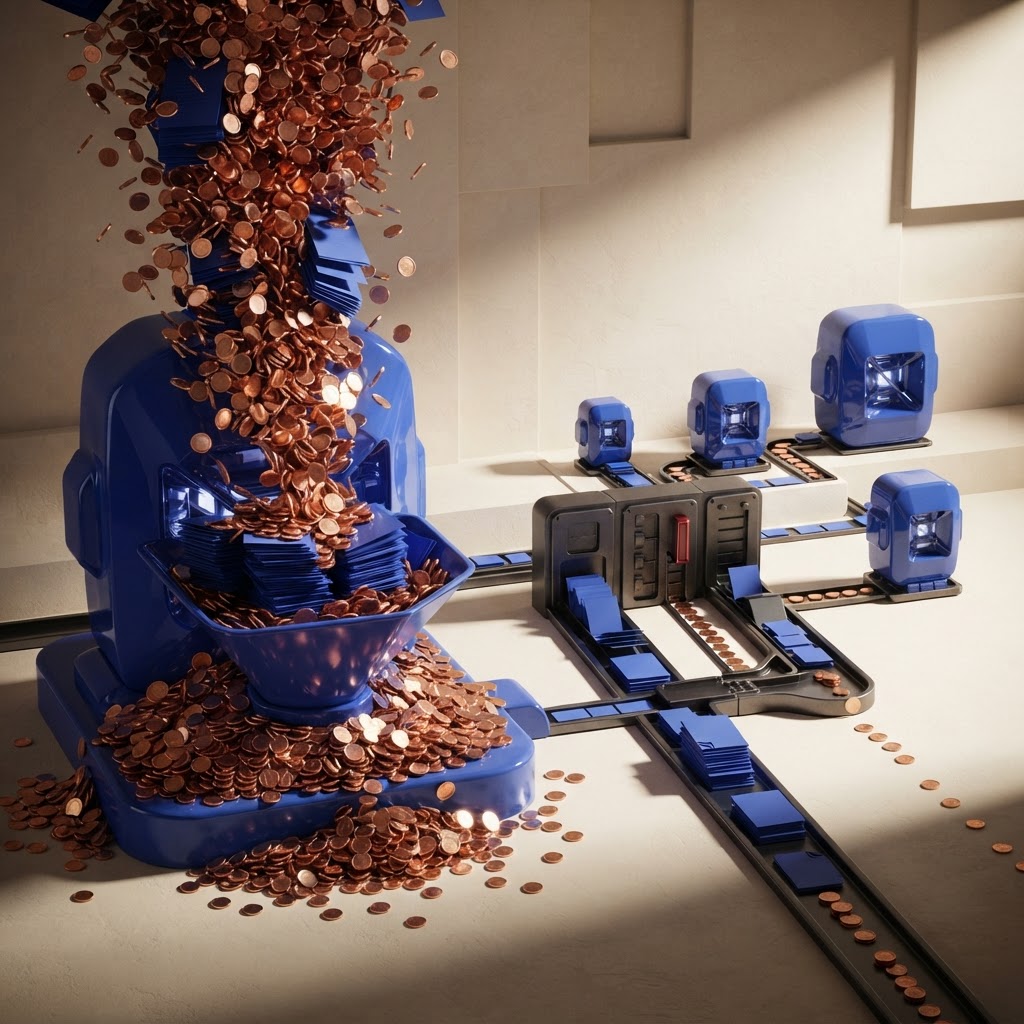
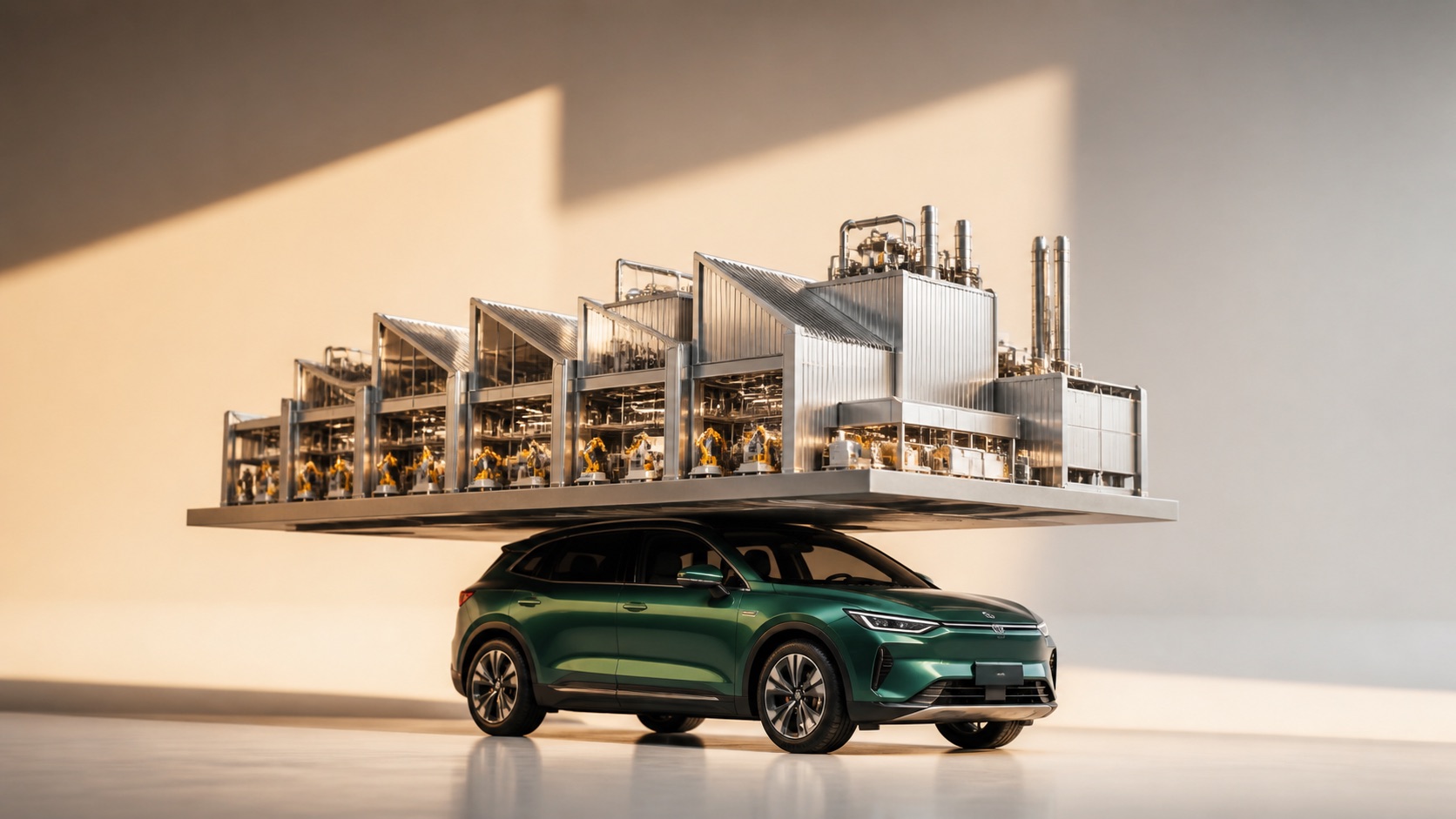
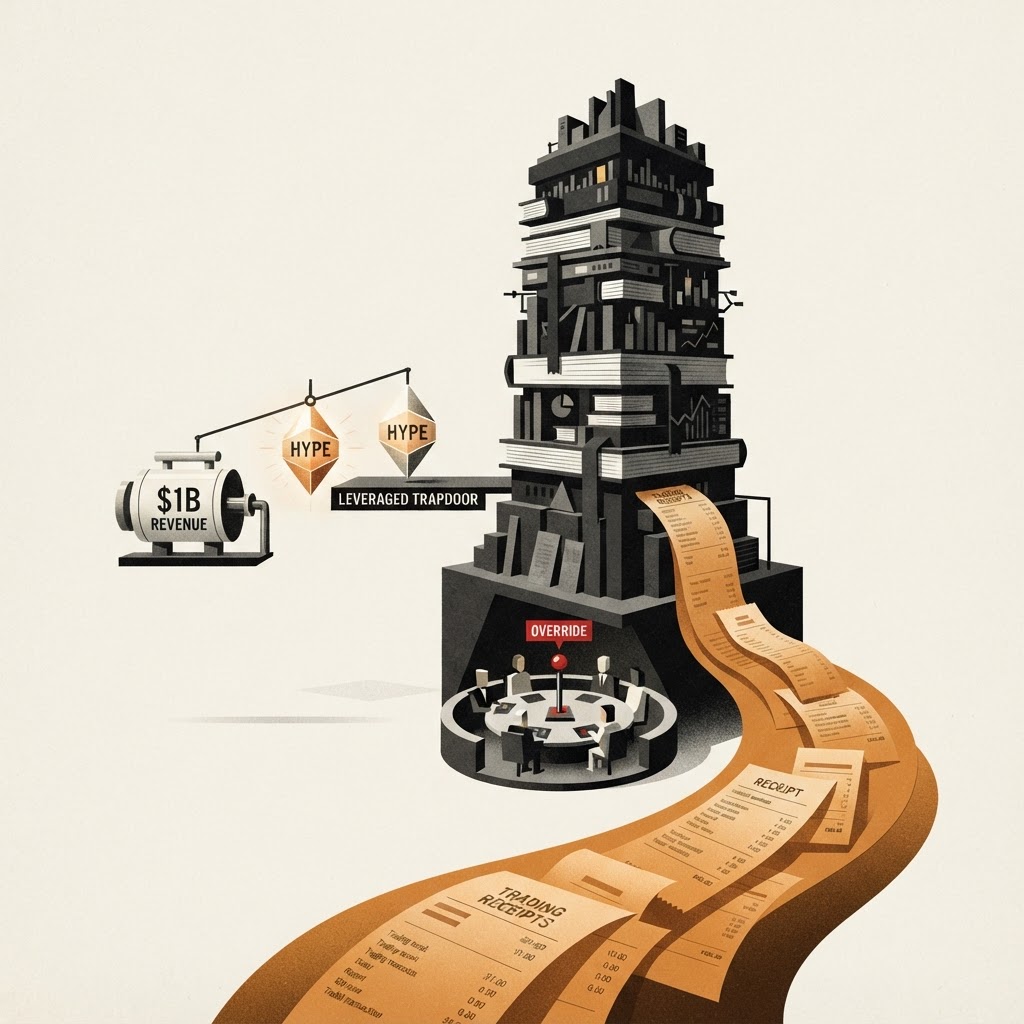
- The three WaveSpeed images are conceptual illustrations. Educational research only; not investment advice.
Sources
The Information; Apple FY2026 Q3; financial statements; Mac Studio; privacy; LatePost; market snapshot.
Recent posts











































Frequently asked questions
Does Mac revenue growth equal AI demand?
No. The 28.7% increase and professional buying form a consistent signal, but Apple discloses neither AI-attributable units nor retention; launches, restocking, currency and ordinary replacement may contribute.
Why not value Apple’s Mac AI opportunity with TOPS?
Economics also depend on memory, bandwidth, utilization, privacy, latency, displaced cloud-token cost and device life. TOPS is an input, not the owner-earnings denominator.
How should an investor estimate local AI payback?
Compare device, power, operations and financing cost net of residual value with displaced cloud-inference spending, then stress utilization and replacement life. Customer savings are N/A.
What would disprove the AI Mac cash-flow thesis?
Mac deceleration, no increase in high-memory mix or ASP, weaker product margin and higher R&D without services attachment or repeat buying would weaken it.
Continue in AAPL Stock Research to test Mac replacement cash flow and owner-earnings assumptions.
Open AAPL Stock Research