
Deep Investment Research14 min read
ByteDance Would Rather Fall Behind Than Copy the Shortcut—Its No-Distillation Rule Is an Expensive Moat Bet
The Information and Reuters report that Zhang Yiming told ByteDance’s Seed team not to depend on rival-model outputs for benchmark gains, even at the cost of falling behind. The instruction looks like technical idealism. It may be harder-nosed capital allocation: ByteDance is spending roughly $23 billion on AI infrastructure while operating China’s largest chatbot audience, and it is purchasing clean provenance before regulators, enterprise buyers and courts put a higher price on where model capability came from.

One Internal Order Revealed AI’s Least Visible Liability
The Information highlighted a counterintuitive instruction. Reuters reported Zhang’s argument that AI development requires long-termism and delayed gratification rather than using somebody else’s output to win a near-term leaderboard.
Distillation is not inherently improper. It can compress a company’s own large model into a cheaper system. The controversy begins when a lab queries a closed rival at scale, converts outputs into a training set and uses the resulting model to compete with its teacher. The line among education, imitation, reverse engineering and trade-secret extraction remains unsettled.
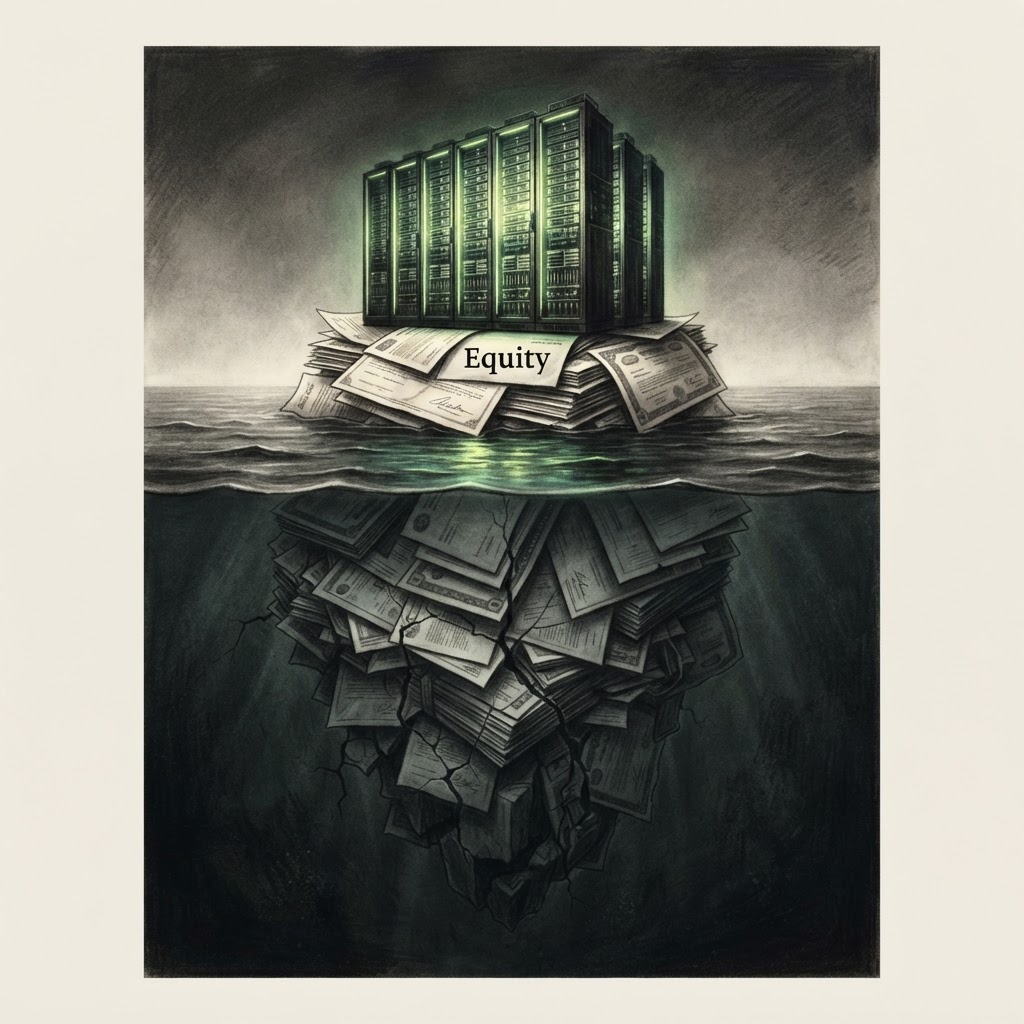
That uncertainty creates a liability conventional accounts cannot see. A balance sheet records GPUs, data centers and salaries, but not the percentage of capability that depends on somebody else. Once regulators, buyers or courts price unclear provenance, yesterday’s free shortcut becomes tomorrow’s contingent liability.
The Price of Refusing the Shortcut: $22.7 Billion and Slower Benchmarks
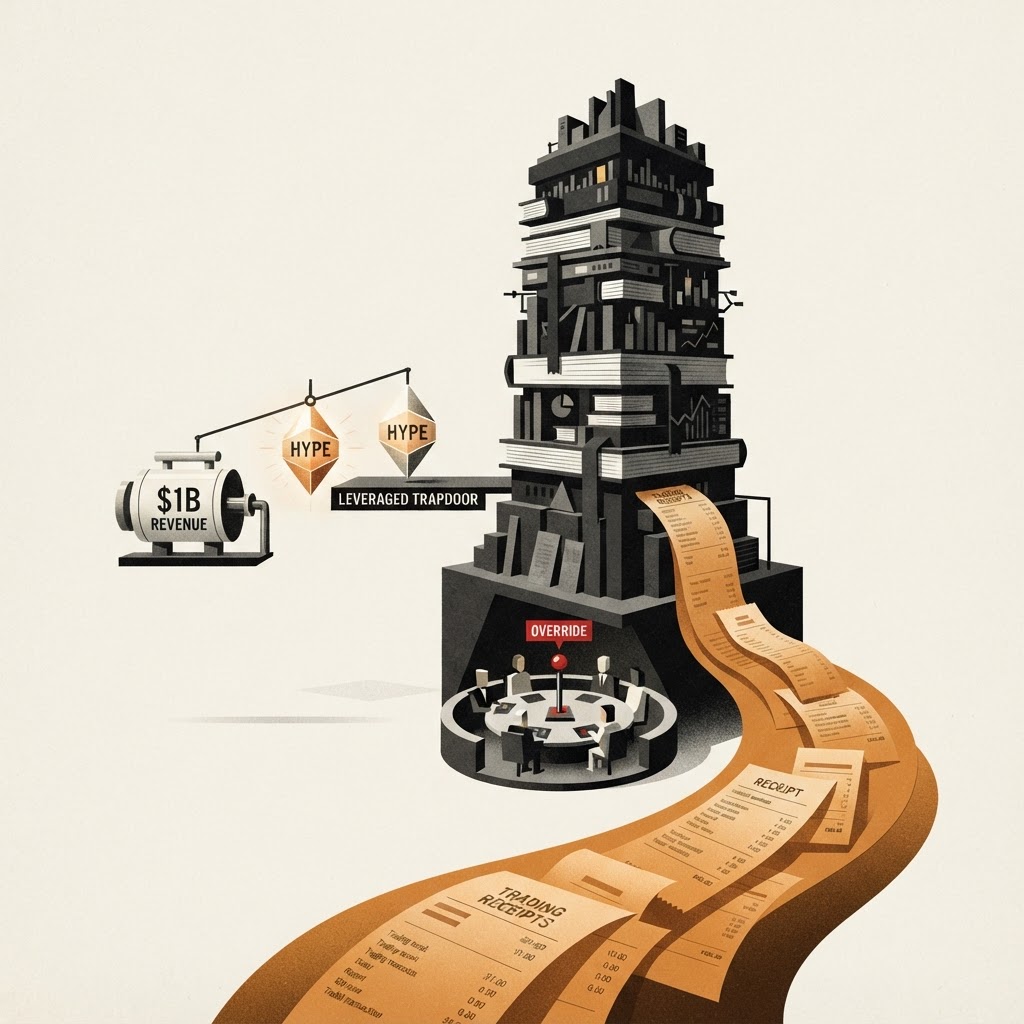
Reuters, citing the Financial Times, reported preliminary 2026 AI infrastructure spending of RMB160 billion, or $22.7 billion, with roughly RMB85 billion budgeted for AI processors. This is not merely a research preference. It constrains one of the largest capital programs in technology.
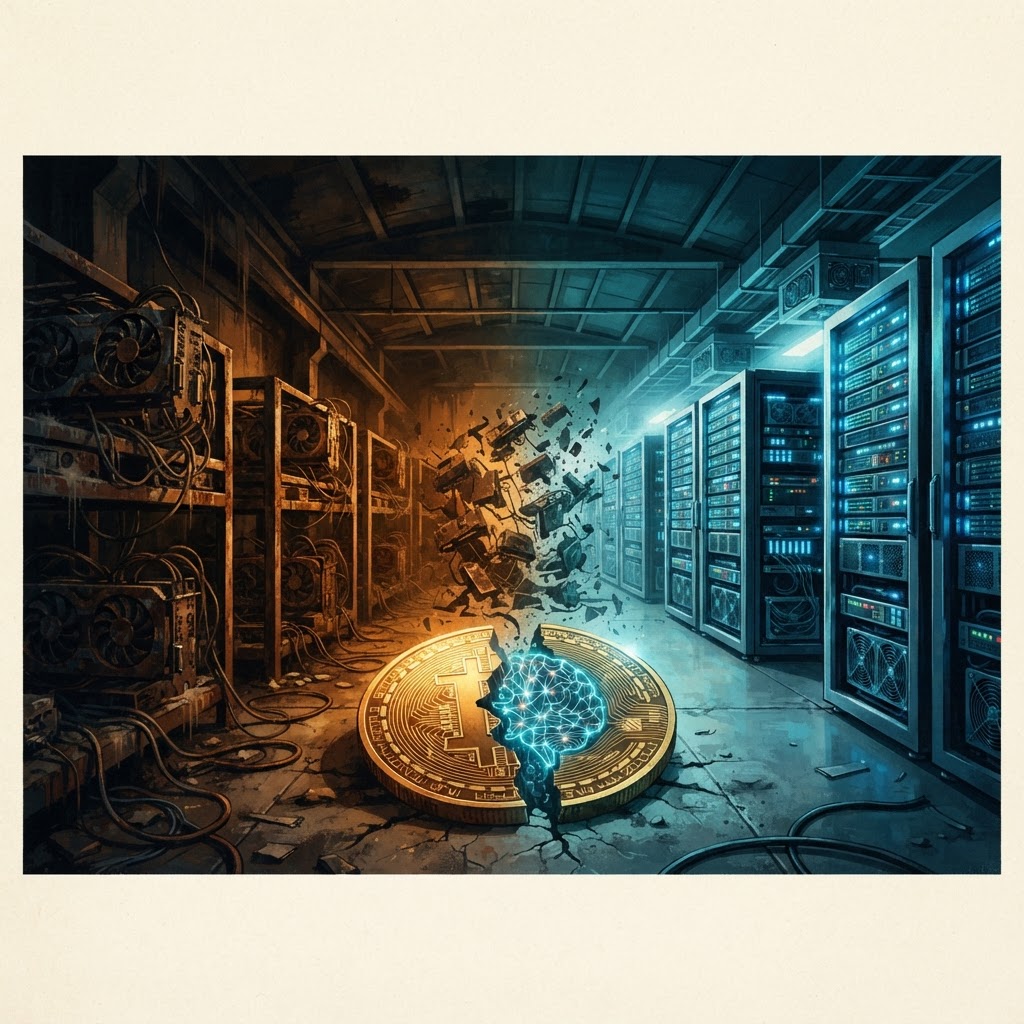
Distillation can transfer part of a frontier system’s behavior with less exploratory compute. Walking away means more original data, longer experiments, a higher failure rate and more internal capacity. Falling on a leaderboard is visible. The economic cost is less visible: every unit of capability may require more capital.
Caixin reported ByteDance’s 2025 net profit fell more than 70%, while the company said preferred-share and option costs explained much of the decline and underlying operations still grew. It also acknowledged pressure from investment in emerging businesses. A strategy can be right over a decade while hurting cash flow today.
| Operating variable | Latest public figure | Investment meaning |
|---|---|---|
| 2026 AI infrastructure | $22.7B | Original capability must clear a huge capital charge |
| Processor budget | About RMB85B | Access and depreciation shape returns |
| Doubao weekly users | 155M | Potential proprietary feedback loop |
| DeepSeek weekly users | 81.6M | Leadership still faces competition |
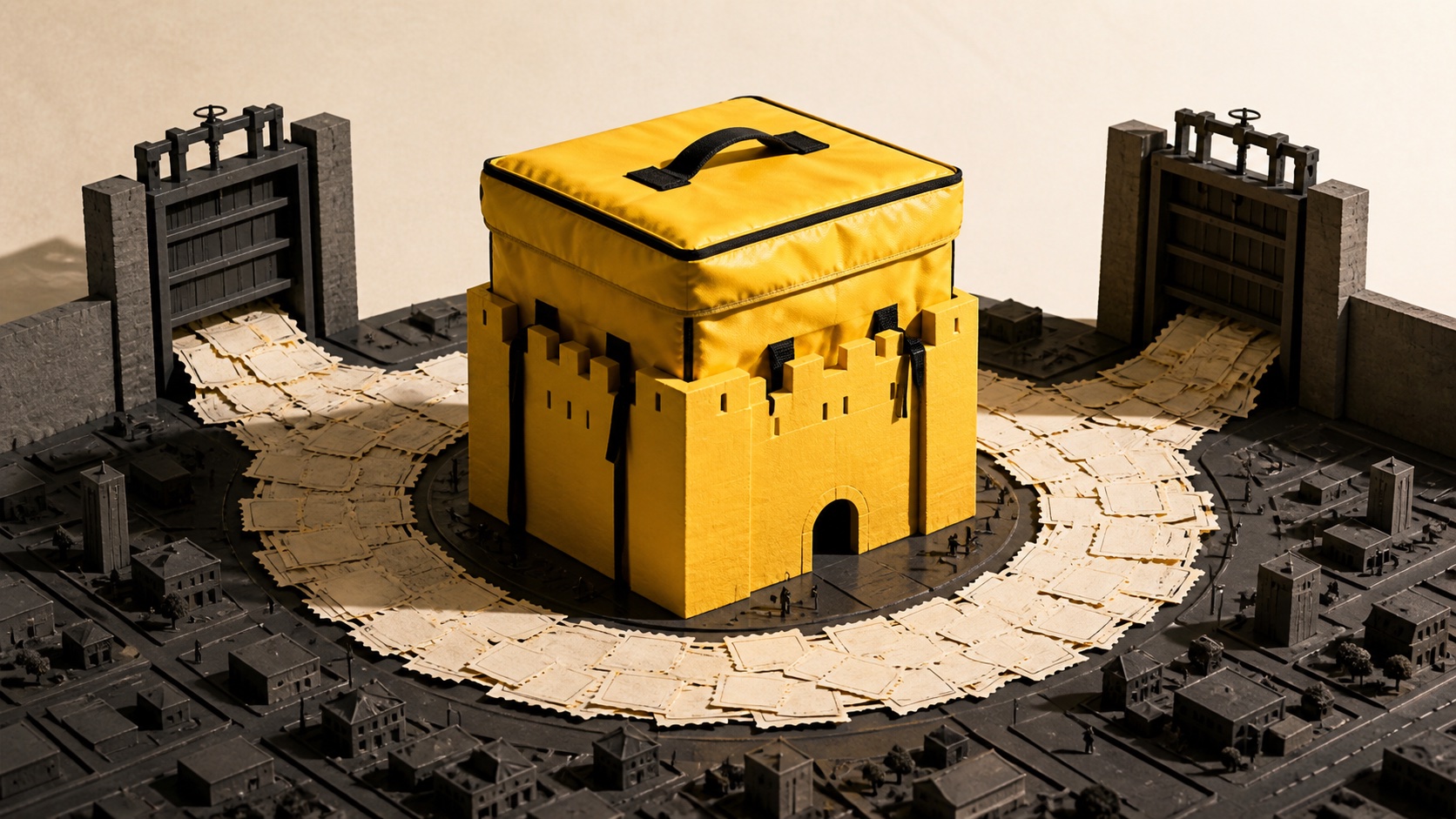
The Moat Is Not the Model. It Is the Machine That Produces Capability Legally
QuestMobile data reported by Reuters put Doubao at roughly 155 million weekly active users and DeepSeek at 81.6 million. That gap matters more than one benchmark. Weights get matched, papers diffuse and chips depreciate. A network that continuously produces preference, voice, video and agent-interaction data is harder to reproduce.
ByteDance’s best AI asset may not be one Seed checkpoint. It may be the learning loop connecting content distribution, search, creator tools and Doubao. Rejecting outside distillation forces the company to improve that loop: turn behavior into better models, document data rights and make each inference improve the next product cycle.
Large data is not automatically a moat. It must be distinctive, lawful and economically useful. If 155 million people mostly use a free service while token consumption rises faster than monetization, the flywheel becomes a server bill. Valuefocus’s reverse DCF translates “data advantage” into revenue, margin and reinvestment returns the valuation actually requires.

The Underpriced Return: Provenance Is Becoming a Procurement Requirement
IAPS notes that U.S. policy now connects adversarial distillation with export controls, entity-list decisions and government access to models. Whatever final rules emerge, enterprise buyers have received the message: the origin of capability can alter compliance risk.
ByteDance already carries political baggage through TikTok and CapCut. If Seed were also accused of depending on U.S. closed-model outputs, customers, cloud partners and regulators could stack product risk on geopolitical risk. Live TikHub/X discussion repeatedly made the same inference: ByteDance would rather move slower than give Washington a cleaner evidentiary chain.
The no-distillation rule can therefore be read as intangible insurance. It may shorten security reviews, improve access to regulated customers and reduce the tail risk of litigation or forced removal. Insurance does not improve a benchmark score. It can still appear in a lower cost of capital, more durable contracts and a higher terminal value.
How Four Master Investors Would Judge the Experiment
Warren Buffett would demand pricing power. Proprietary data and trusted provenance become an economic moat only if they improve retention, lower acquisition cost or support higher prices. Otherwise they are technical prestige. Valuefocus’s moat framework keeps the test focused on customer behavior.
Philip Fisher could tolerate near-term pressure, but only with organizational evidence. Sacrificing current profit for a long product runway fits Fisher’s approach. Management must still show that research creates a repeatable pipeline rather than labeling every overrun long-term investment.
Howard Marks would use second-level thinking. The first-level conclusion is that refusing distillation slows ByteDance. The second-level question is whether independent provenance becomes scarce precisely because every competitor chose the cheap route.
Charlie Munger would invert. To destroy the terminal value of a global AI company, make its capability depend on a source it cannot defend, then wait for regulation to tighten. Zhang’s choice removes that failure path when the cost is obvious and the benefit remains difficult to prove.
What Investors Should Track Instead of the Next Leaderboard
Watch five operating facts: conversion of Doubao activity into subscription, advertising or API revenue; inference cost per million tasks; differentiated capability in video, agents and multimodality; whether provenance reviews shorten enterprise sales; and whether incremental operating profit eventually exceeds the cost of AI capital.
Also distinguish “no distillation of rivals” from “no distillation at all.” The latter is impractical. ByteDance can legally distill its own large models and train smaller systems on licensed data. An investable policy needs auditable boundaries, data governance and capital efficiency—not a single internal speech.
ByteDance is exchanging short-term model speed for long-term option value. Success produces a scalable, explainable and exportable capability system. Failure means spending at a $23 billion scale to rediscover what others already proved. Put both cases into a DCF scenario. Cash flow, returns on capital and terminal value provide a better verdict than either admiration or outrage.
Recent posts









































Frequently asked questions
What is AI model distillation?
Distillation trains a smaller model to learn from a stronger model’s outputs. It is commonly used with owned or licensed systems; controversy centers on unpermitted extraction from closed competitors.
Why did ByteDance reject rival-model distillation?
Zhang emphasized original breakthroughs and long-termism. Commercially, the rule may also reduce intellectual-property, sanctions, procurement and provenance risk.
How much is ByteDance spending on AI in 2026?
Reuters, citing the FT, reported a preliminary RMB160 billion or $22.7 billion infrastructure plan, including roughly RMB85 billion for AI processors.
Does refusing distillation automatically create a moat?
No. It becomes an economic moat only if trusted provenance and original data improve pricing, retention, sales cycles or the risk premium by more than the additional capital cost.
Do not price an AI moat from one benchmark. Use Valuefocus to put users, inference cost, capital spending, regulatory discount and terminal value into one investment scenario.
Download Valuefocus