
Deep Investment Research17 min read
Wall Street Is Starting to Trade AI Tokens. Whose Valuation Breaks First?
CME plans H100 and B200 rental futures for October 5 while ICE, Architect and China pursue competing compute contracts. Hedging reduces cost volatility—but a public forward curve could expose whether AI margins come from technology or pricing opacity.

AI’s Crude-Oil Futures Moment
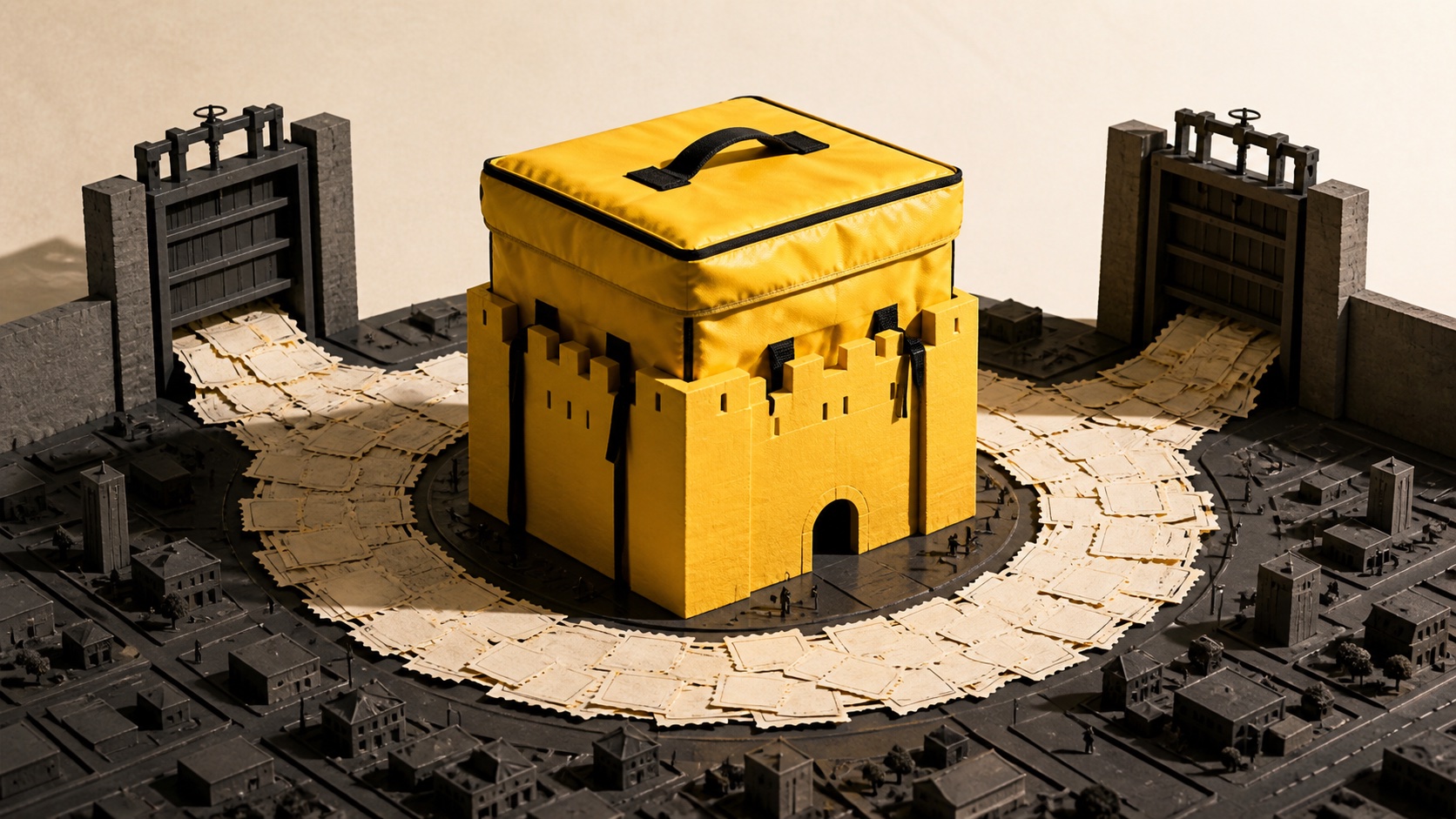
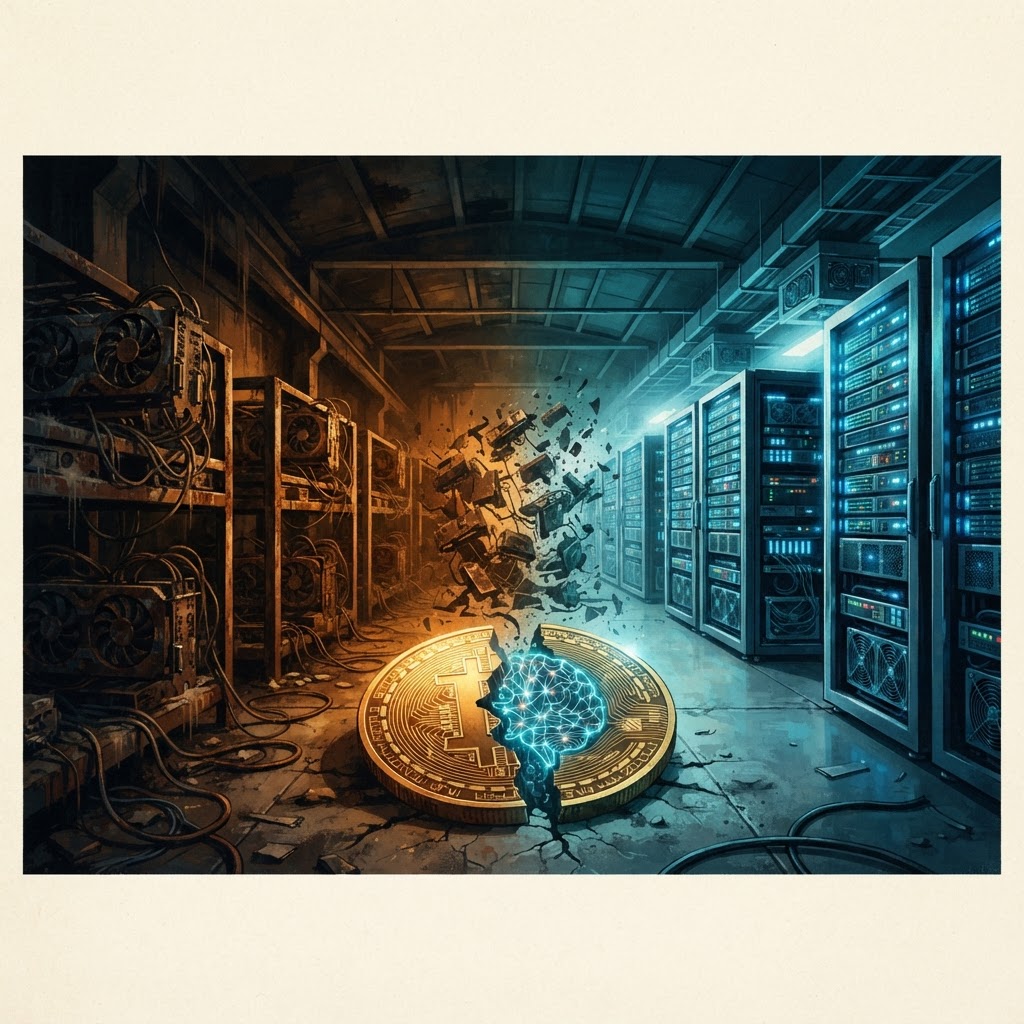
The Information reports on Wall Street-style token contracts as CME prepares H100 and B200 rental futures for October 5. Each contract represents a month of GPU rent.
A public reference price will expose economics previously hidden inside cloud discounts, prepayments and bespoke contracts.
GPU Hours Versus Tokens
ICE and Ornn plan cash-settled contracts based on printed GPU transactions. China is studying futures tied to the model output unit itself. One prices the input; the other prices the output.
Neither is perfectly standardized. Hardware generations, location, latency, model quality and task complexity create substantial basis risk.
The Jevons Paradox
Inference prices have fallen dramatically, but cheaper tokens invite far more usage. A 95% unit-cost decline can coexist with a rising total AI bill when agent and video demand expands by 100 times.
The forward curve will reveal whether efficiency is outrunning demand—or demand is consuming every new unit of supply.

Shorting the AI Margin Black Box
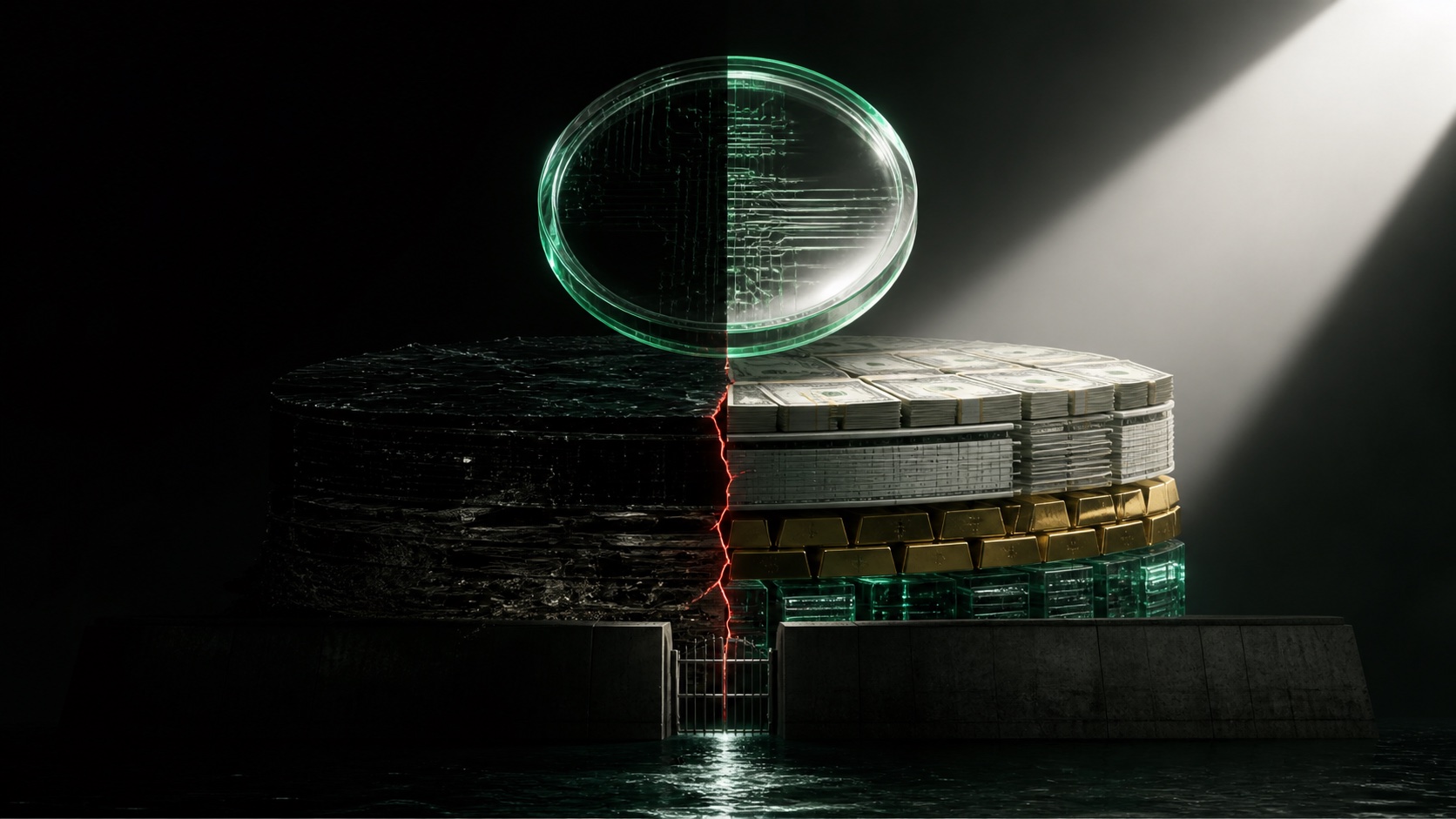
Futures let enterprises hedge and investors estimate baseline gross margins. They may also turn GPU clouds from scarcity allocators into low-spread commodity brokers.
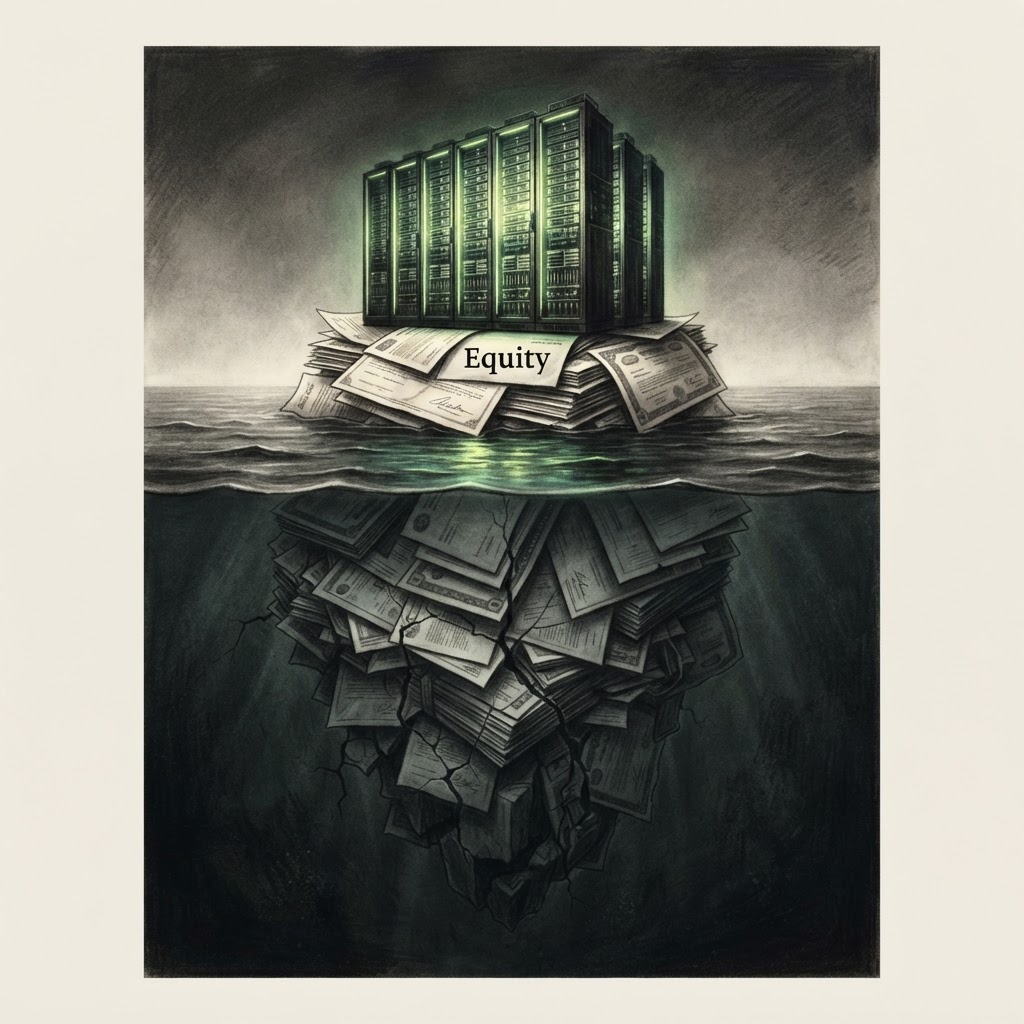
CoreWeave reported $2.6B of quarterly revenue and a $104B backlog. A visible rental curve could help hedge that book while forcing lenders to mark collateral economics in real time.
The Masters’ Test
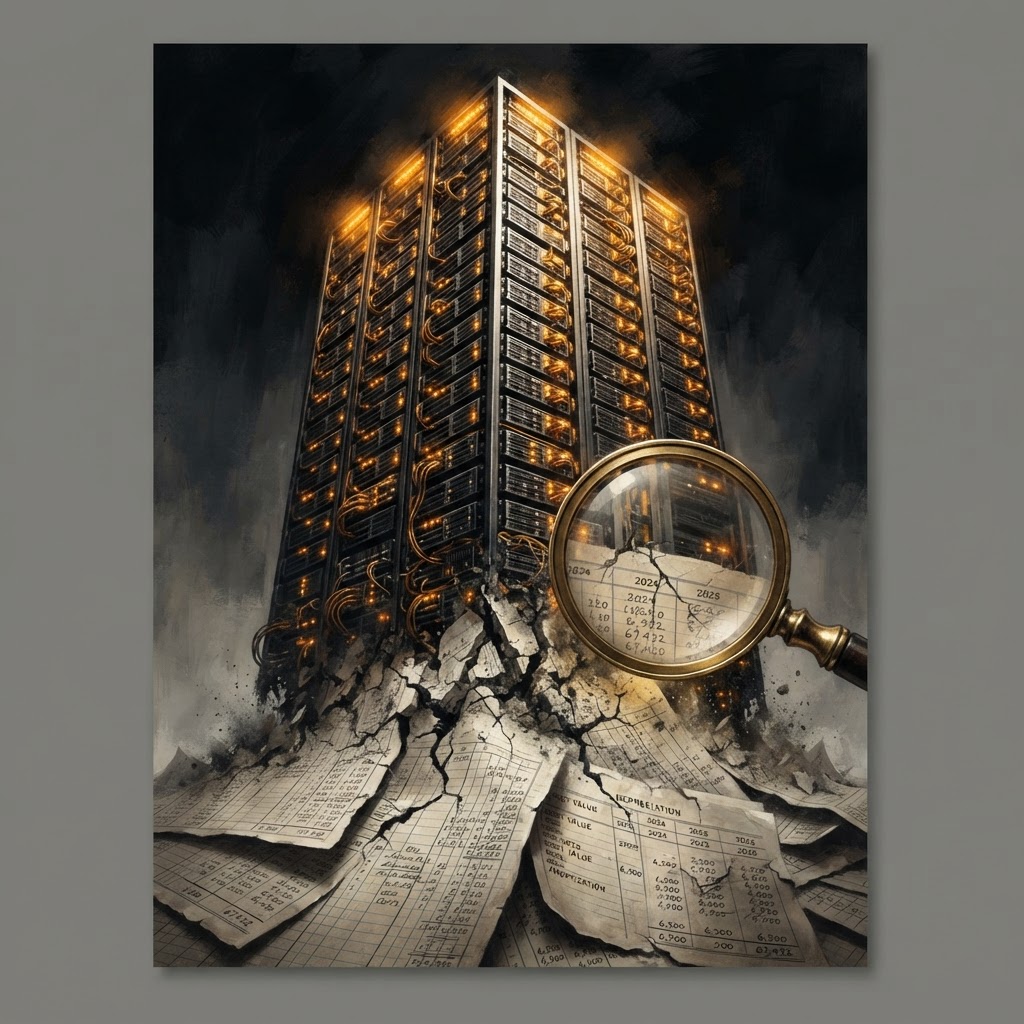
Buffett may prefer exchanges collecting transaction tolls over GPU owners absorbing depreciation. Munger would invert leverage and liquidation risk. Howard Marks separates demand growth from investment returns. Damodaran would use the forward curve to reprice backlog and residual values.
Use the DCF calculator to model rental price, utilization and depreciation separately. The winner may be the benchmark and clearing platform—not the company owning the most GPUs.
Recent posts







































Frequently asked questions
What are compute futures?
Cash-settled derivatives tied to future GPU rental or AI token prices.
When will CME launch them?
CME plans H100 and B200 rental futures for October 5, 2026, pending review.
Put forward GPU prices, utilization and depreciation into your valuation.
Download Valuefocus