
Deep Analysis11 min read
The $690B AI Race Is Quietly Killing Big Tech’s Best Asset
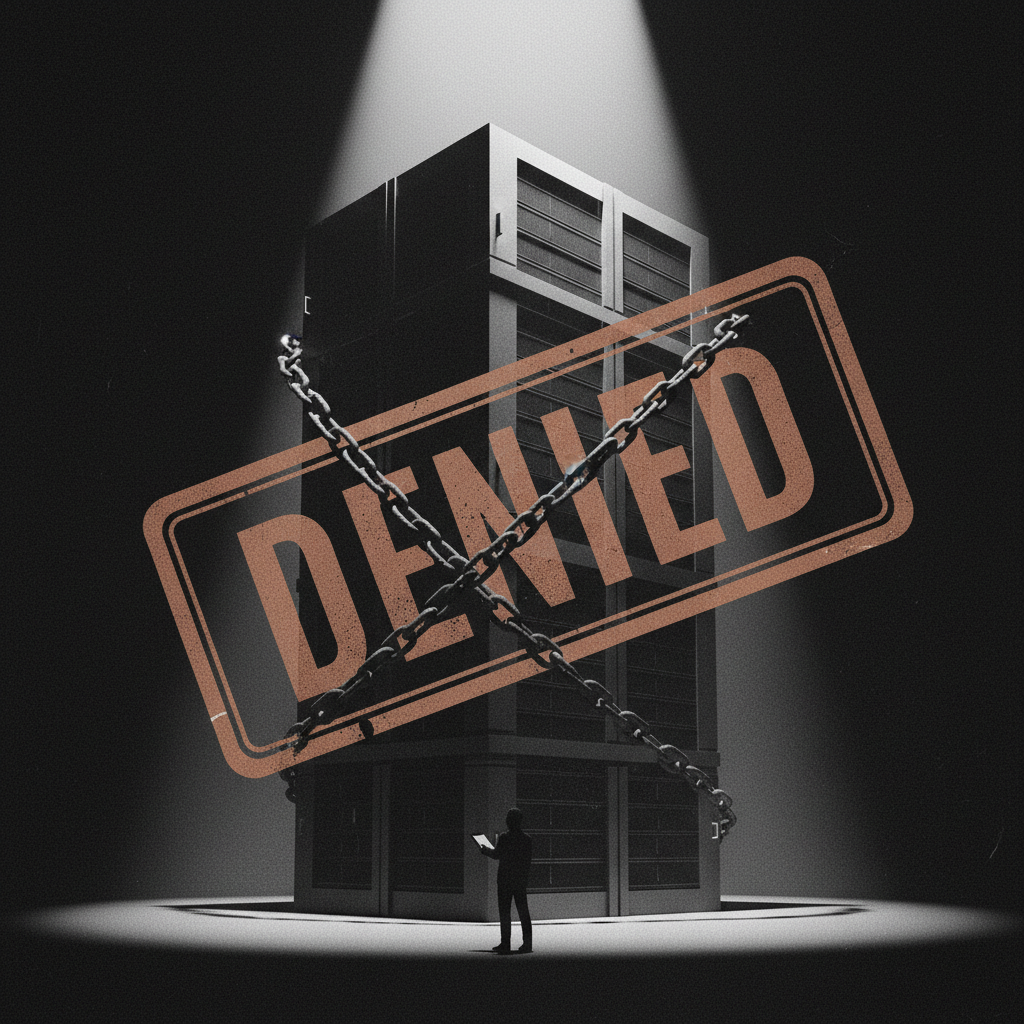
For a decade, the reason to own Microsoft, Alphabet, Meta and Amazon was simple: they printed cash. They ran free-cash-flow margins at two to three times the S&P 500 while barely trying. In 2026 that machine is being re-plumbed. A combined ~$600–725 billion of AI capex is now swallowing as much as 94% of the cash these businesses generate — and the market keeps cheering the revenue while ignoring what is happening to the cash. Here is what four masters would actually measure.

The cash machine just changed shape
Strip away the noise and the bull case for Big Tech was never really "AI." It was free cash flow. These were companies that could fund every ambition out of operating cash and still hand shareholders a torrent of buybacks and dividends — free-cash-flow margins running two to three times the broad market, year after year, almost on autopilot. That is the asset. That is what the premium multiple was paying for.
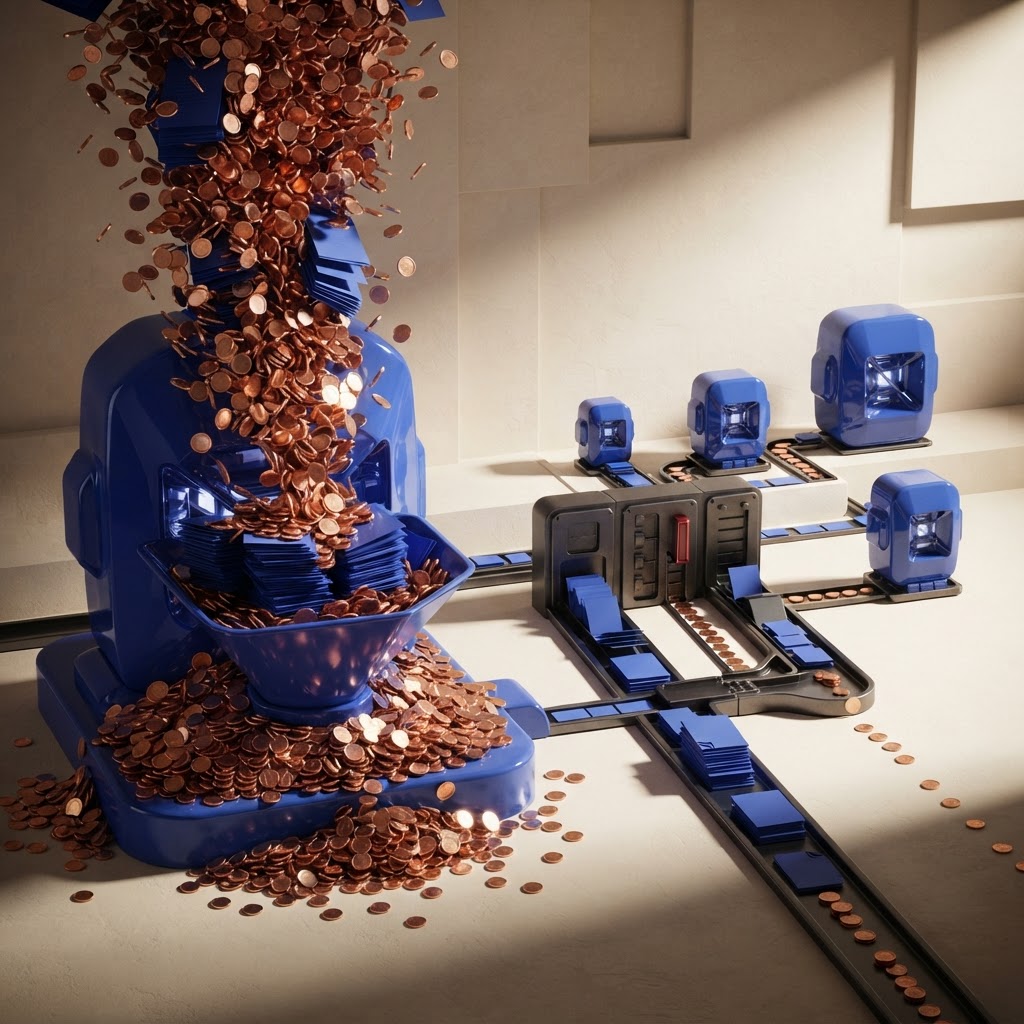
In 2026, that asset is being spent. The four hyperscalers are collectively guiding to somewhere between roughly $600 billion and $725 billion of capital expenditure in a single year — a jump of about 36% over 2025 — and the overwhelming majority is AI: data centers, networking, and Nvidia chips. On some companies’ own numbers, capex is now projected to consume as much as 94% of operating cash flow. The cash didn’t disappear into a black hole; it went into concrete, copper and silicon. But for a shareholder, "spent" and "returned" are very different words.
Here is the uncomfortable part. The income statement barely registers this. Revenue is up, headlines are triumphant, and even reported profit can keep climbing — because the tens of billions just deployed land on the balance sheet and only trickle into earnings over years as depreciation. So the market reads "growth" while the thing that actually defined these businesses — the cash left for owners after the bills — quietly thins out. This is the companion question to our circular-financing piece: that one asked who pays for AI demand; this one asks what is left for you once the spending clears.
Buffett: the only number that matters is the cash left over
Warren BuffettA great business funds its growth and still hands cash to owners. Free cash flow — not revenue, not even reported profit — is the scorecard.
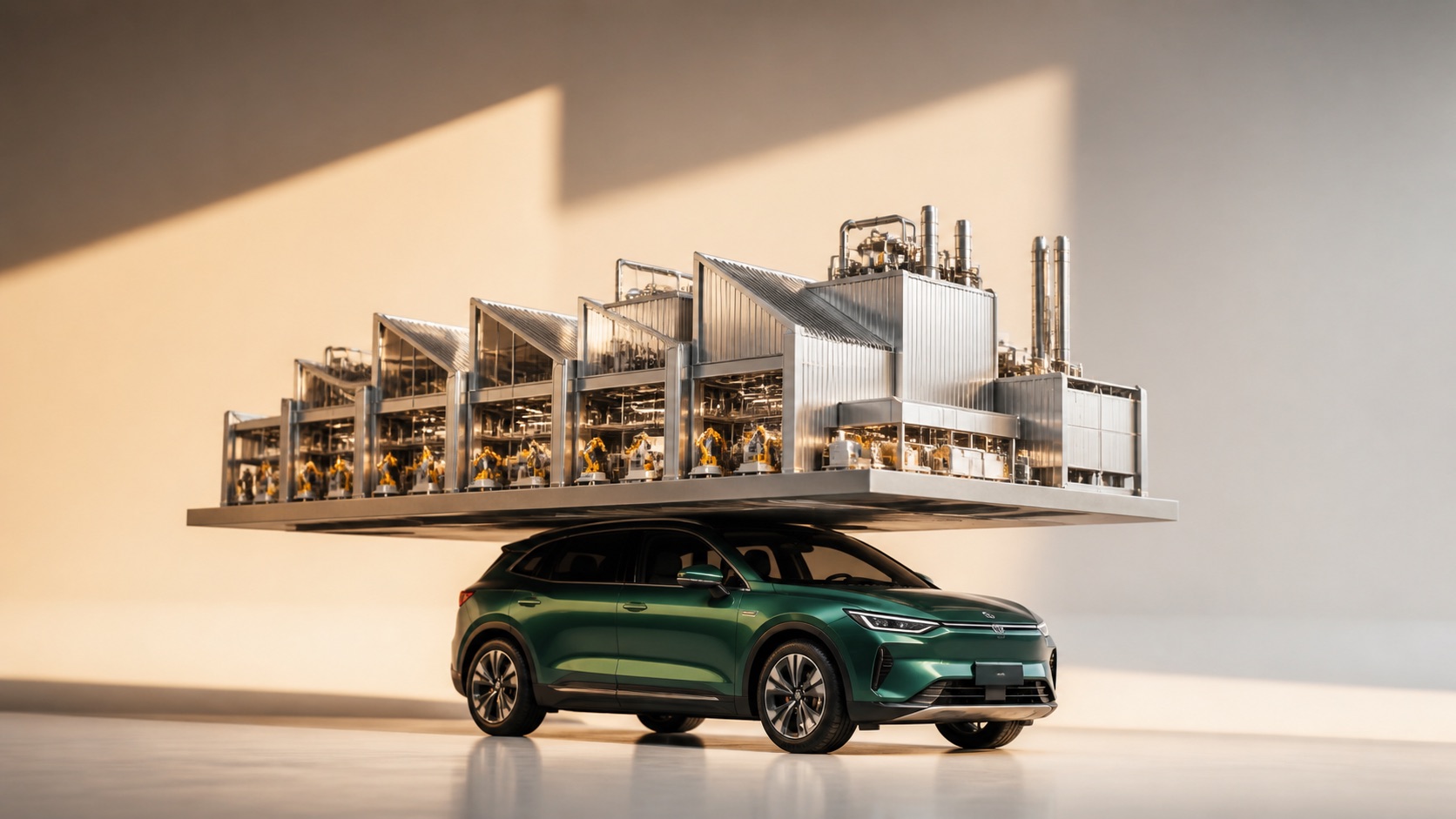
- Buffett’s entire framework rests on owner earnings: reported profit, plus depreciation, minus the capex truly required to maintain the business. The AI buildout is the most capex-heavy episode in a generation, which makes this adjustment decisive rather than academic. When capex runs at 90%+ of operating cash, owner earnings can be a fraction of the headline profit.
- The brutal test he applies: would this business still gush cash for its owners if it stopped expanding tomorrow? For a genuine franchise — a search monopoly, a dominant cloud, a social network with pricing power — the answer may still be yes once the spending normalizes. The question is how many years of depressed free cash flow you must underwrite first, and whether the returns on that capital ever show up.
- His warning is not "sell." It is "don’t confuse a temporarily-spending compounder with a permanently-impaired one — and don’t pay the old free-cash-flow multiple for a business that has, for now, stopped throwing off free cash flow." The premium was earned by the cash. If the cash pauses, the premium has to be re-underwritten.
The capital cycle: everyone overbuilds at exactly the same time

Howard MarksWhen capital is abundant and the story is loud, an entire industry overbuilds in unison — and the cure for high returns is high returns.
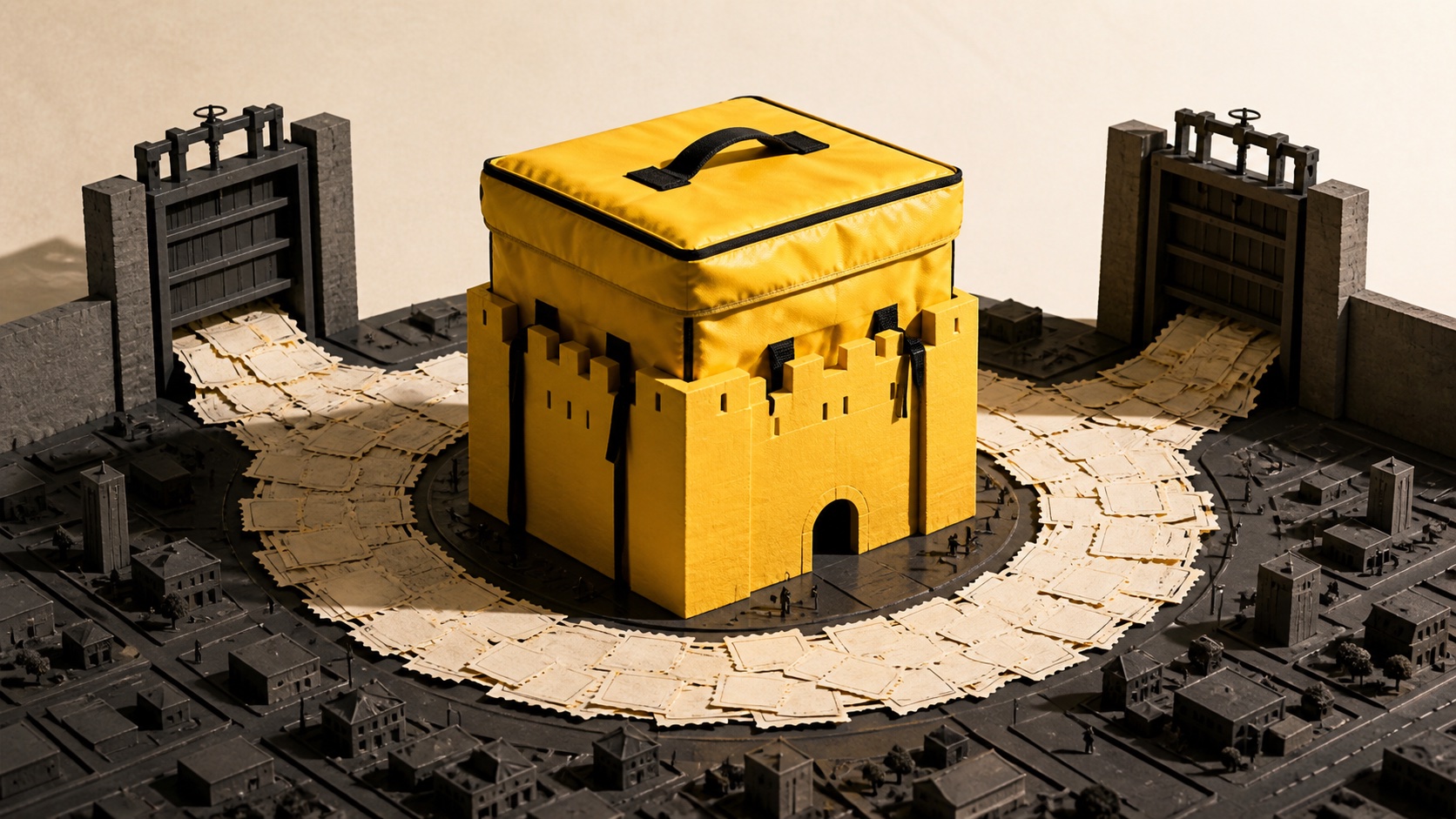
- The capital-cycle lens ignores the product and watches the supply. When four of the most powerful balance sheets on earth all decide, in the same year, to spend three-quarters of a trillion dollars building the same thing, the question is no longer "is AI real?" It is "what happens to returns on capital when everyone builds at once?" Fibre in 1999, shale in the 2010s, data centers now — the technology was real every time, and the returns on the marginal dollar still disappointed.
- Right now the gauge is pinned at maximum: record capex, guided ahead of proven monetization, justified by a demand curve everyone assumes only points up. That is the textbook setup for strong reported growth followed by underwhelming returns on the capital deployed. Overcapacity doesn’t announce itself; it shows up two years later as utilization that never hit the spreadsheet.
- Marks wouldn’t time it — no one can. He would simply note that when an entire sector invests on the assumption that demand can only grow, the asymmetry has quietly flipped against the latecomer. The right response is not a forecast; it is a wider margin of safety on anything whose thesis requires the buildout to pay off on schedule.

Revenue is what a company says it earned. Free cash flow is what it can actually hand you. In a capex super-cycle, those two numbers stop being the same story.
Klarman: the depreciation iceberg sits below the waterline

Seth KlarmanMargin of safety comes from skeptical analysis of exactly the assumptions management would prefer you not examine — starting with how costs are recognized.
- Klarman lives in the footnotes, and the footnote that decides a lot here is the depreciation schedule. Over how many years is a GPU server depreciated — four, five, six? Several hyperscalers have extended assumed useful lives in recent years, which mechanically lifts reported profit by spreading the same cost over more years. The economic truth — that this hardware obsoletes brutally fast — does not change. Only the accounting does.
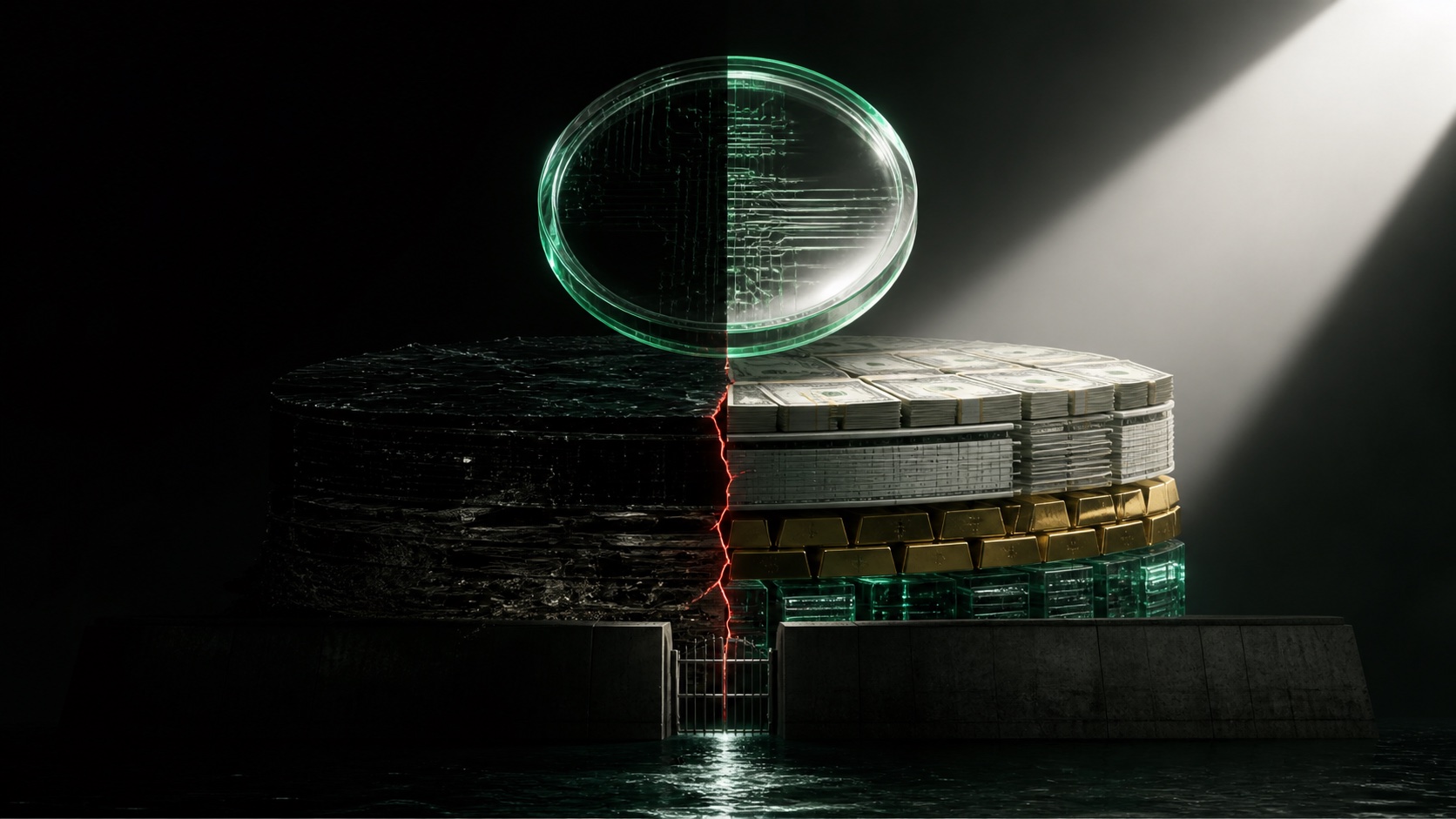
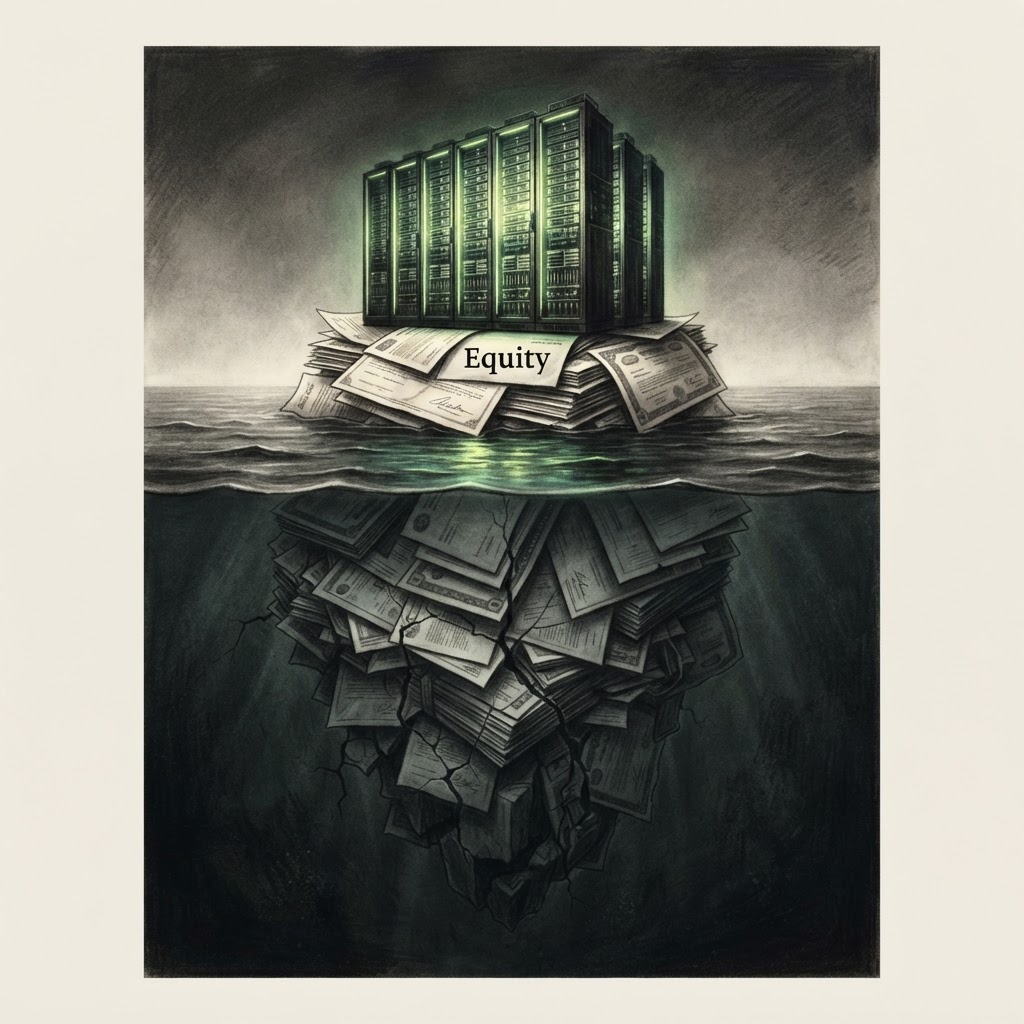
- That is the iceberg. The bright tip above the waterline is the reported earnings the market trades on. The dark mass below is the real, accelerating cost of replacing chips that may be outdated in a few years, and the gap between depreciation charged and cash actually spent. When the cash going out vastly exceeds the cost flowing through the income statement, "profit" and economic reality diverge.
- His response is never "avoid the sector." It is "widen the discount you demand." Where numbers lean on generous useful-life assumptions and self-reinforcing demand, uncertainty is not a reason to be more careful at full price — it is a reason to require a much lower one. A margin of safety is what lets you survive being wrong about the part of the iceberg you couldn’t see.
Lynch: what multiple did you pay — and for whose returns?
Peter LynchGrowth is only worth paying for at a price. Compare the multiple to the durable, self-funded growth rate — not to the excitement.
- Lynch’s discipline is almost rude in its simplicity: what are you paying, and for what growth? A rich multiple can be perfectly rational for a business compounding cash quickly and cheaply. It is far harder to justify for one whose growth now requires it to spend nearly all of its cash flow — and possibly to keep doing so for years — just to defend its position.
- So he splits the field. Which of these AI-spenders is buying durable, high-return capacity it will own and monetize for a decade — and which is in an arms race where the spending is effectively a toll it must pay every year, with the returns accruing mostly to the chip supplier? The first deserves its multiple. The second is paying a growth premium for returns it is, in effect, renting.
- The practical Lynch test for today: take the company’s reported earnings growth, then ask how much of it survives once you charge real, fast depreciation and the cash actually leaving the building. If the growth that justifies the multiple only exists before those adjustments, you are not buying a compounder at a fair price — you are buying a story at a generous one.
So what should an ordinary investor actually do?
As always, the masters don’t vote the same way — and that is precisely their use. Buffett says measure the cash left after the bills, not the revenue. The capital cycle says watch the synchronized overbuild, not the product demo. Klarman says read the depreciation footnote and widen your discount. Lynch says compare the multiple to the growth that survives honest accounting. "Is AI capex bullish or bearish?" forces one slogan. "Which of these four risks does my holding actually carry?" gives you something to do on Monday.
Concretely: for every AI-exposed name you own — directly or through an index — pull up free cash flow, not just revenue and EPS. Is FCF still growing, or is capex quietly eating it (Buffett)? Is the whole industry building the same capacity at once (capital cycle)? Have useful-life assumptions been stretched to flatter profit (Klarman)? And is the multiple you’re paying justified by growth that survives real depreciation (Lynch)? If you can’t answer with observable numbers, size the position like the bet it is.
You don’t have to declare the AI boom a triumph or a trap. You have to know whether the specific business you own is funding its growth out of strength — or borrowing against the one quality that made it worth owning. Valuefocus’s Master Lens runs exactly these frameworks — owner earnings, free cash flow, the capital cycle — across any stock on your watchlist, one master at a time.
Recent posts








































Frequently asked questions
Why does free cash flow matter more than revenue or profit during the AI capex boom?
Because revenue and even reported profit can keep rising while a company’s cash is being consumed by capital spending. Capex hits the balance sheet immediately but the income statement only slowly, through depreciation. Free cash flow — operating cash minus capex — shows what is actually left for shareholders after the buildout is paid for, which is the quality that gave Big Tech its premium in the first place.
How much are the hyperscalers really spending in 2026?
Widely reported guidance puts combined 2026 capital expenditure for the major hyperscalers in the region of $600–725 billion, up roughly 36% year over year, with the large majority directed at AI data centers, networking and chips. On some companies’ own figures, capex is projected to absorb as much as ~94% of operating cash flow.
What is the "depreciation iceberg"?
It is the gap between the cost flowing through the income statement (depreciation) and the cash actually spent on rapidly-obsolescing hardware. Stretching assumed useful lives lifts reported profit without changing economic reality, so the visible "tip" (earnings) can look healthier than the submerged "mass" (real replacement cost and cash outflow).
Is this the same as the circular-financing argument?
No — they are companion questions. The circular-financing piece asks who is funding AI demand and whether the revenue is genuinely independent. This article asks what is left for shareholders — free cash flow — once the record capex clears. You can read both for the full picture.
Is this investment advice?
No. This article applies public analytical frameworks to widely reported public information for educational purposes and makes no recommendation about any security.
Stop trading on revenue headlines — run free cash flow and four master frameworks on any stock in Valuefocus:
Download Valuefocus