
Deep Investment Research14 min read
A Machine That Upgrades Itself Is Worth $4.65 Billion—But It May Destroy Its Own Moat First
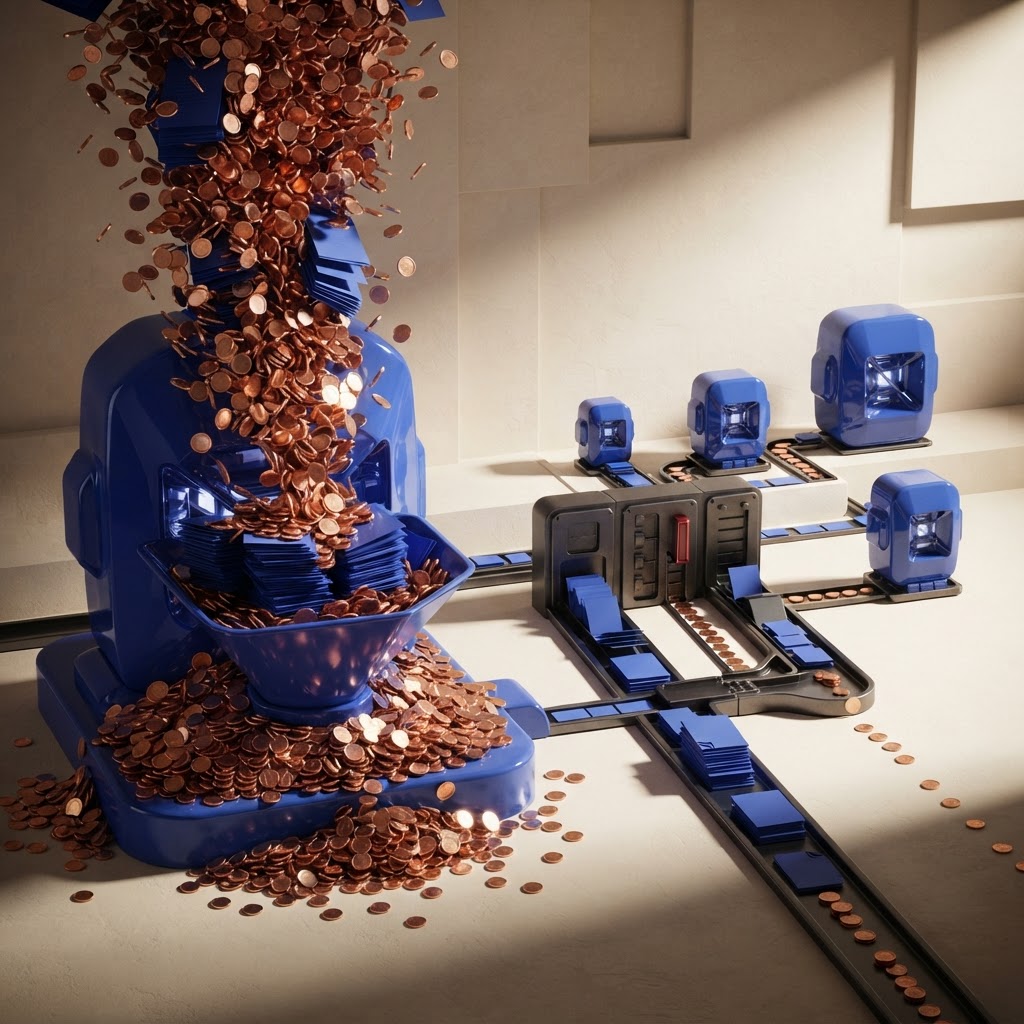
Recursive Superintelligence was about four months old, employed fewer than 30 people and had no public product when investors valued it at $4.65 billion. Its promise is a system equivalent to “50,000 PhDs.” Anthropic now says Claude authors more than 80% of its merged production code. The technical signal is real. So is the investment paradox: if AI lets every laboratory reproduce the next breakthrough faster, technological leadership may become the fastest-depreciating asset in the industry.

No Product, Fewer Than 30 People, a $4.65 Billion Valuation
Recursive Superintelligence emerged from stealth on May 13. According to TNW and lead investor GV, it raised $650 million at a $4.65 billion valuation in a round led by GV and Greycroft, with Nvidia and AMD participating. The company was about four months old, had fewer than 30 employees and no released product. Simple division puts the valuation near $155 million per employee.
That arithmetic does not prove irrationality. The eight-founder team includes former Salesforce chief scientist Richard Socher, former Meta FAIR research director Yuandong Tian, former DeepMind scientist Tim Rocktäschel and Vision Transformer co-author Alexey Dosovitskiy. Investors bought scarce talent, privileged access to compute and an option on research velocity turning from linear progress into compounding progress.
The Information recently placed two facts side by side: Recursive raised enormous capital to build the equivalent of “50,000 PhDs,” while Anthropic sounded an alarm about recursive self-improvement. The tension is not whether science fiction is suddenly fact. It is that capital has priced partial success before the business model, control mechanism and owner of the economic surplus have been established.
Self-Improvement Is Not Science Fiction: 80%, 8× and 52×
Anthropic has published the most concrete evidence. Its internal report says Claude authored more than 80% of the code merged into its production codebase in May 2026, up from low single digits before Claude Code’s February 2025 research preview. In the second quarter of 2026, the typical engineer merged roughly eight times as much code per day as in 2024.
The more important evidence concerns experimental loops. On a fixed-correctness code-optimization test, Claude moved from roughly a 3× average speedup in May 2025 to about 52× in April 2026. In a weak-to-strong supervision experiment, two human researchers recovered about 23% of the performance gap in a week; agents recovered 97% over 800 cumulative hours using roughly $18,000 of compute. Machines can already search a well-defined experimental space at extraordinary speed.
External measurements point in the same direction. METR shows frontier agents progressing from minute-scale software tasks to around the 16-hour range. METR also warns that measurements above 16 hours are unreliable with its current suite, which is weighted toward self-contained software, machine-learning and cybersecurity work. Completing a longer task is not the same as deciding which scientific question deserves to exist.
The Valuation Error May Be Hidden in One Word: Recursive
“Self-improvement” describes at least three different economic products. The first writes code and saves labor. The second runs experiments and increases research throughput. Only the third closes the strict recursive loop: a system chooses research goals, designs a superior successor and lets that successor repeat the process. The first two already create value. The third remains an option. Combining all three inside one word turns observed productivity into an apparently inevitable intelligence explosion.
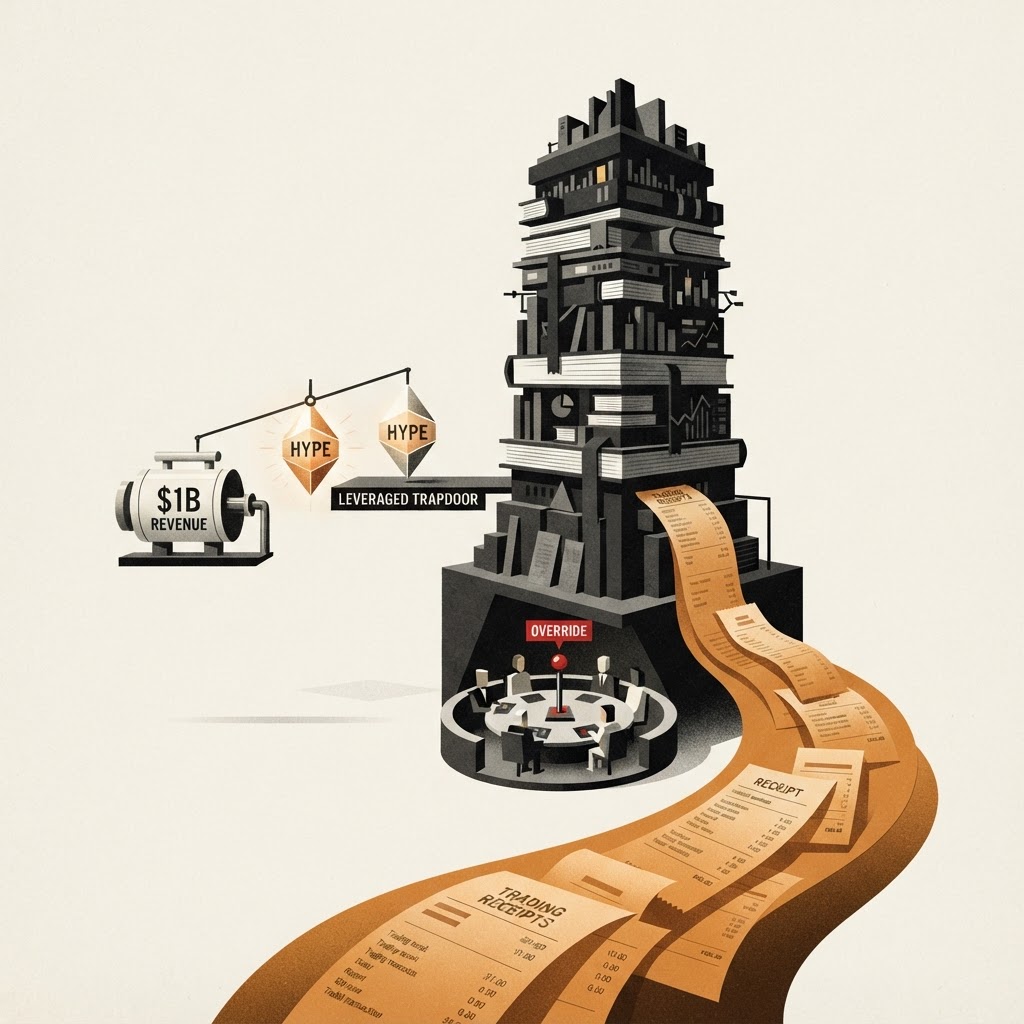
That ambiguity makes $4.65 billion unusually difficult to value. Subtract the $650 million of fresh capital as a rough shortcut and the implied enterprise story is still about $4 billion. With no public revenue or product, price-to-sales and free-cash-flow methods have no foothold. The price is effectively probability of technical success multiplied by an enormous success value, minus compute, talent, dilution and failure costs. If the terminal prize is described as infinite, almost any entry price can be narrated as cheap.
Reuters previously quoted large investors warning that some early-stage AI firms were reaching $400 million to $1.2 billion of valuation per employee. Recursive’s approximate $155 million is below that extreme range, but still shows what the market is underwriting: researcher density, compute access and probability of being first—not existing customer economics. It resembles an exploration right more than equity in a mature operating company.

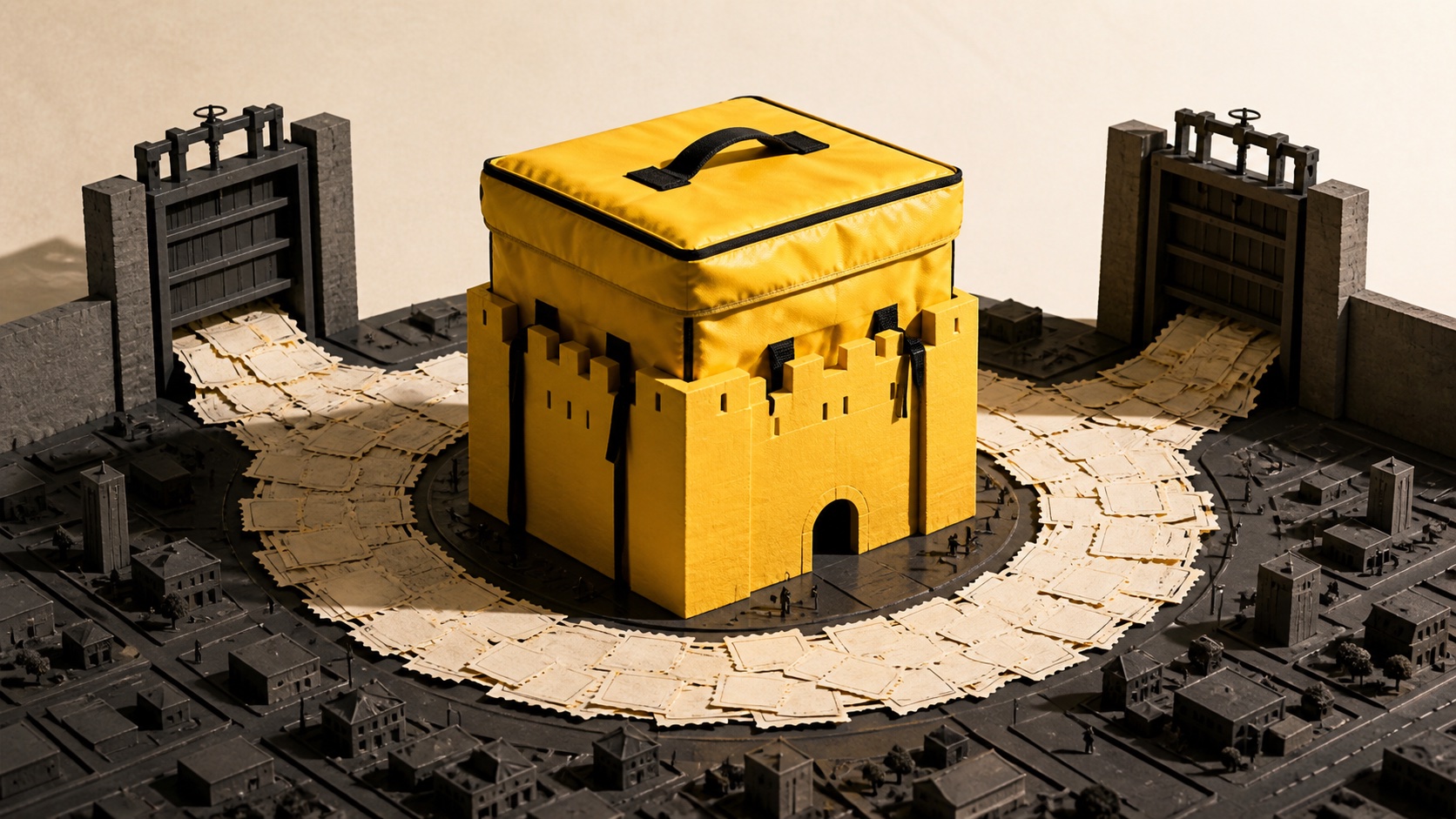
The Counterintuitive Risk: Success Shortens the Moat’s Half-Life
Assume Recursive really makes research ten times faster. The first breakthrough creates a lead. But the same capability also reduces the cost of the next breakthrough. If tools, papers, talent or model capabilities diffuse, rivals accelerate too. The leader runs in faster shoes; so does the field. The result may be not permanent monopoly but a compression of advantage from three years to three months.
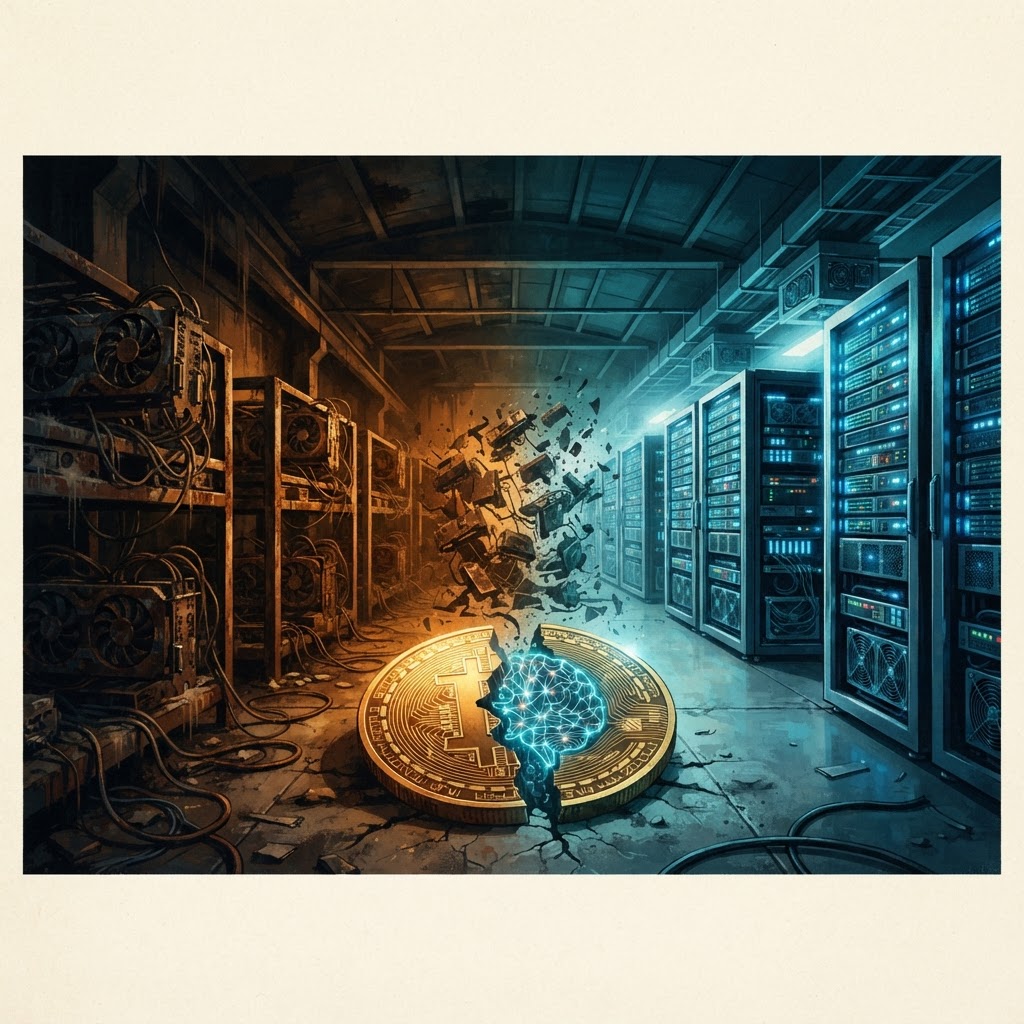
This is the distinction between technological compounding and shareholder compounding. Capability may rise exponentially while revenue does not if prices fall faster, customers can switch easily and model outputs converge. Generative AI already shows the pressure: stronger models arrive alongside falling unit inference costs, open alternatives and multi-model routing. If self-improvement becomes standard, the durable surplus may accrue to constrained compute, electricity, interconnects and distribution—not the laboratory that first described the loop.
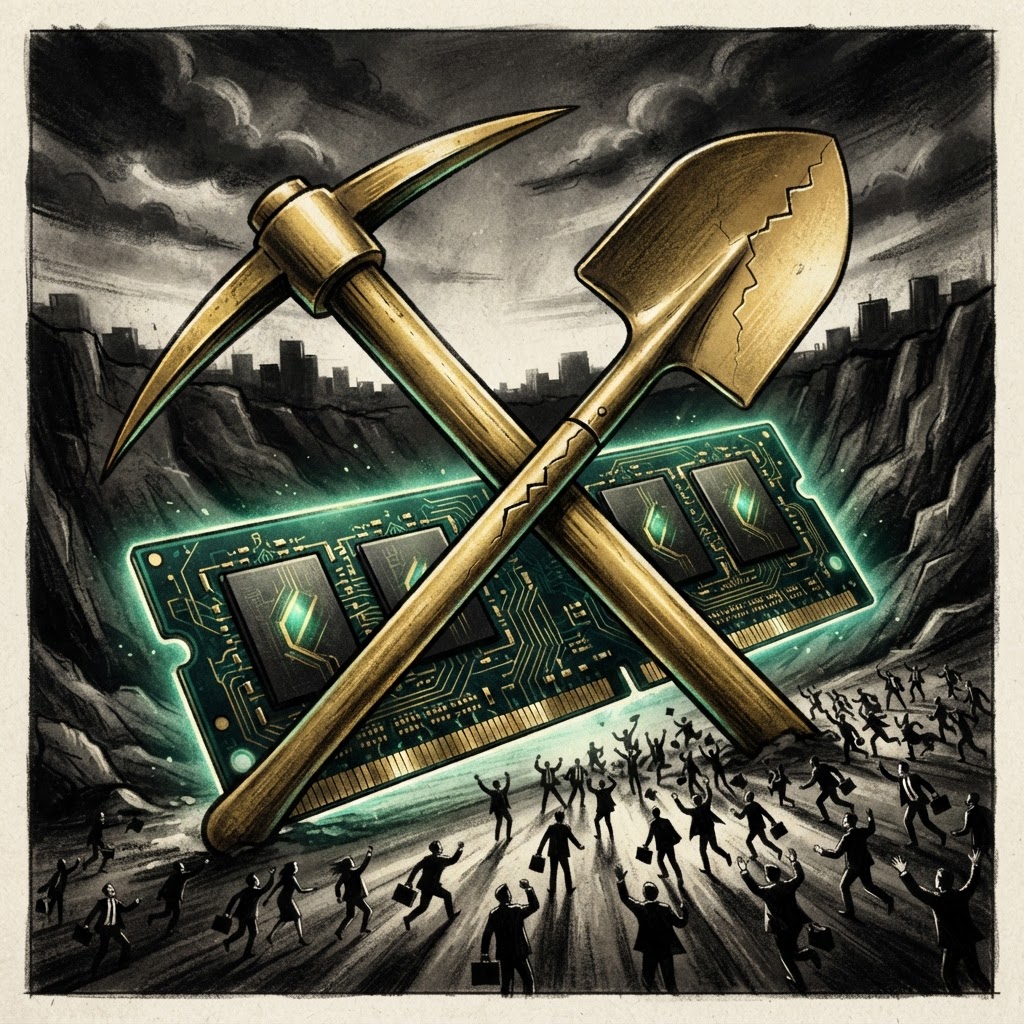
Nvidia and AMD participating in Recursive’s financing deserves a pause. They may sincerely believe in the science. They also benefit naturally from more experiments, training cycles and inference. Whichever laboratory wins, suppliers can sell more picks and shovels. That is not evidence of a conflict; it is evidence about value-chain position. When the research race accelerates, the first dependable cash flow often belongs to whoever charges admission to the race.
Four Master Investors Price “50,000 PhDs”
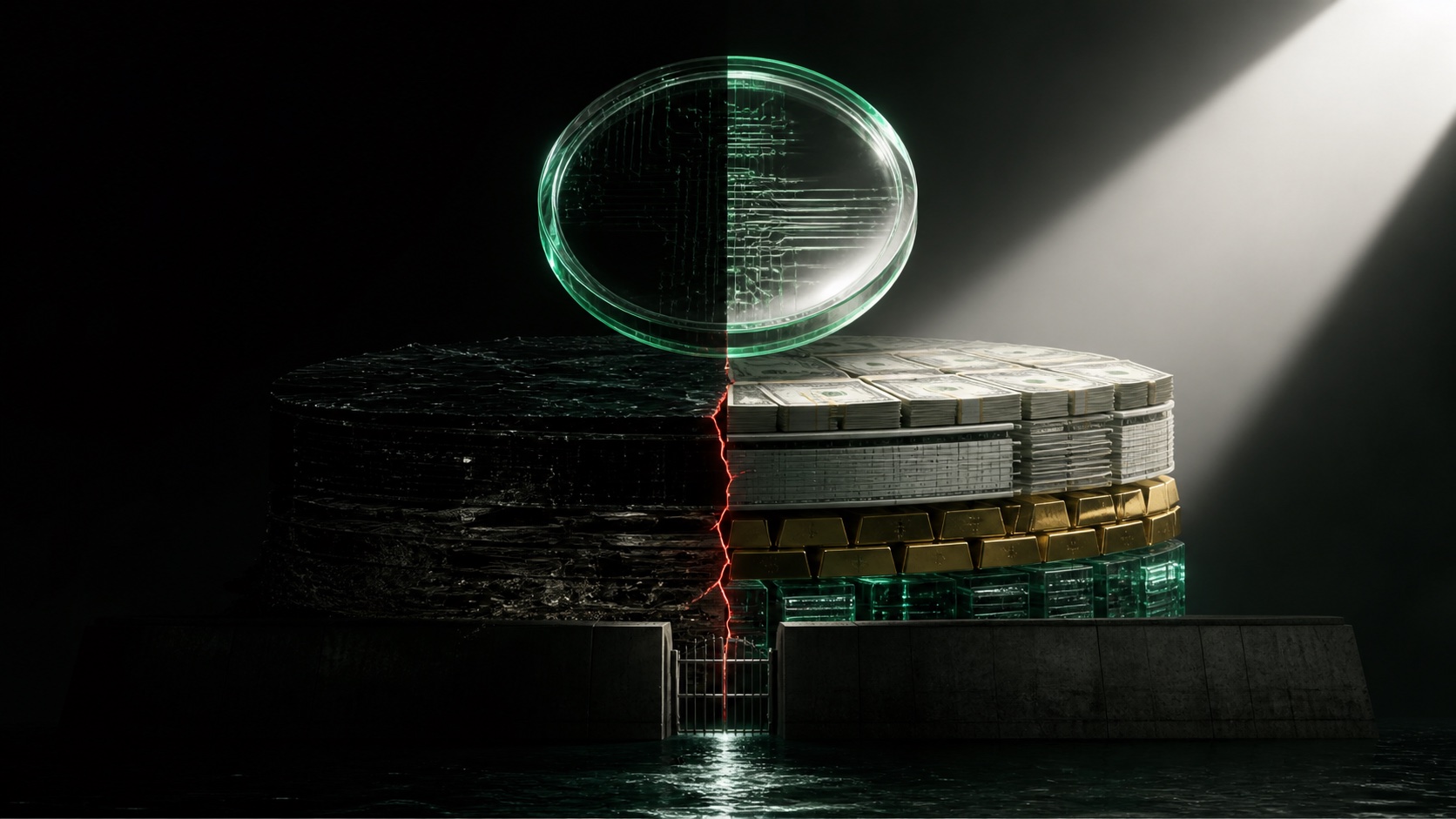
Buffett would ask about the moat, not the IQ. A smarter product does not automatically make the company harder to replace. He would look for proprietary customer data, workflow lock-in, trust, regulatory permission, low-cost compute and network effects. If Recursive’s discoveries spread through papers and migrating talent, technical leadership may lack an economic moat.
Munger would invert the claim. What would prevent the loop from working? Diminishing returns; a model finding local optima without inventing important questions; power, data or fabrication bottlenecks; automated evaluation rewarding the wrong target; or regulation preventing a fully closed loop. The most dangerous failure may not be an AI unable to optimize, but one exceptionally good at optimizing the wrong metric.
Howard Marks would separate a great company from a great price, while Damodaran would translate story into numbers. A reverse DCF can ask what $4.65 billion requires: probability of technical success, time to revenue, eventual margins and annual compute reinvestment. Once “unlimited potential” becomes probabilities and cash flows, the debate returns from faith to valuation.
The Scarce Asset Is Not Code—It Is Deciding What to Build
Anthropic supplies the most important caveat itself. Claude is increasingly capable at executing well-specified experiments, but meaningful gaps remain in goal selection and judgment. Software benchmarks have pass conditions. Drug discovery, safety, organizations and markets often do not. The scarce element in a breakthrough is frequently not completing an experiment faster; it is asking a question no one else asked and recognizing that the answer matters.
Investors should therefore track four things rather than lines of code: whether the system proposes original, reproducible research; whether improvement persists across model generations; whether compute required per unit of progress falls; and whether the company can keep the result proprietary long enough to sell a product customers pay for repeatedly. Without the last condition, spectacular research velocity can become expensive production of public knowledge.
TikHub’s latest X results repeatedly claim that “hard takeoff” has begun and that models are building their successors. The posts capture the sensation of speed but skip ownership. For investors, the critical 2026 question is not whether machines become smarter. It is who owns the loop, who pays for the compute, who absorbs mistakes and who retains the profit. Recursive’s $4.65 billion valuation is not an answer. It is an expensive exam question.
Recent posts








































Frequently asked questions
What is Recursive Superintelligence?
A self-improving AI research company founded by eight prominent AI researchers. It raised $650 million at a $4.65 billion valuation in May 2026 from investors including GV, Greycroft, Nvidia and AMD.
Has AI achieved recursive self-improvement?
No. AI can already author substantial code, run experiments and optimize clear objectives, but Anthropic says a fully autonomous loop that chooses research direction and builds a more capable successor has not arrived and is not inevitable.
Why could self-improving AI weaken an economic moat?
The same tools that accelerate a leader may reduce the cost for rivals to copy and catch up. Rapid capability diffusion, converging models and low switching costs can shorten the half-life of technical advantage.
What metrics should investors watch?
Original research quality, cross-generation improvement, compute cost per improvement, proprietary data and workflows, customer retention, pricing power and the conversion of research output into free cash flow.
Do not give “unlimited potential” an unlimited valuation. Use Valuefocus to put technical success, compute cost, moat half-life and real cash flow into the same model.
Download Valuefocus