
Deep Analysis11 min read
When a CEO Says One Word and a Stock Soars
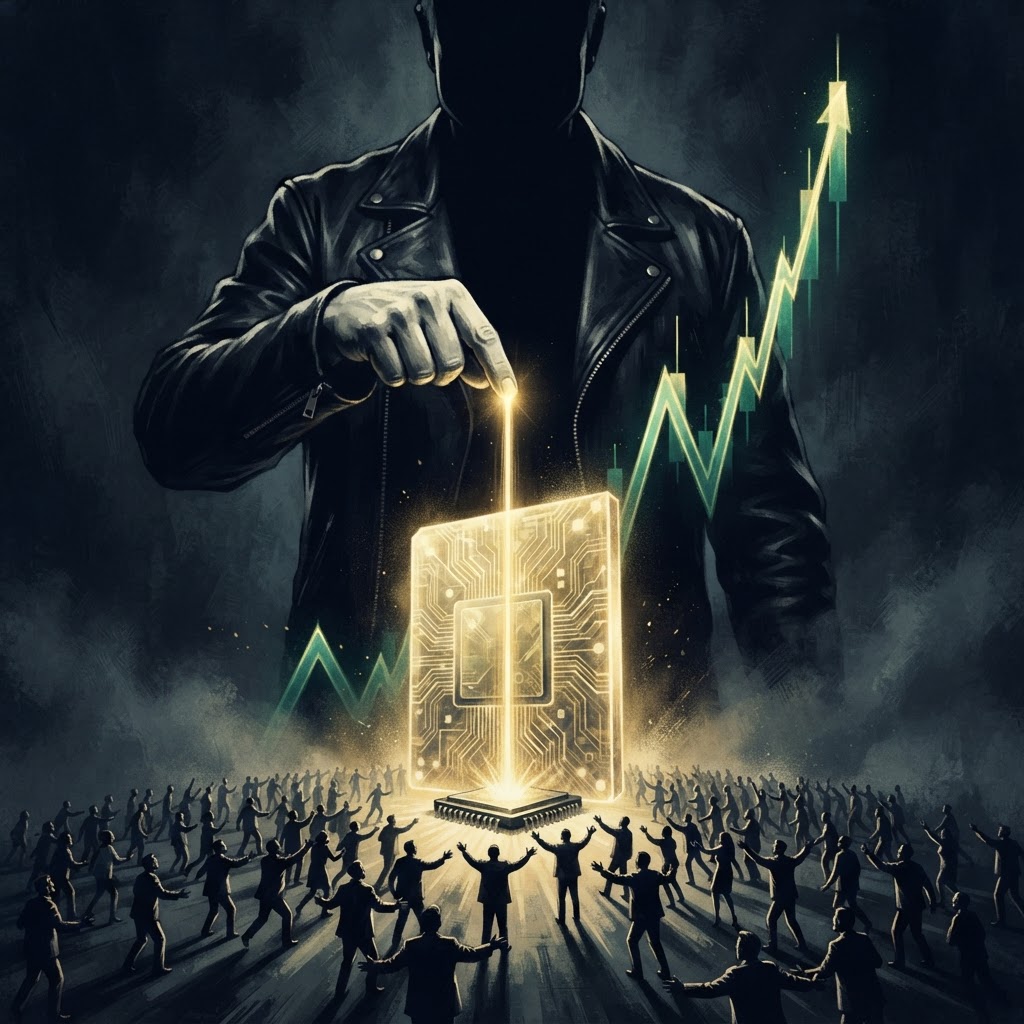
It is the most reliable spectacle on FinTok this month: a chief executive name-drops a supplier on stage, the supplier's stock leaps double digits before lunch, and a thousand videos appear declaring it the next sure thing. The endorsement feels like inside information handed to the crowd for free. But "a famous person mentioned it" and "it is a good investment" are not the same sentence — and the distance between them is exactly where the money is lost. Here is what four master investors would do before they touched it.

The viral reflex — and the quiet flaw
The pattern is irresistible. A revered founder — the CEO of the most important company in a hot sector — singles out a partner, a chip supplier, a software vendor. Within minutes the supplier's shares spike, the move trends, and the FinTok takeaway writes itself: if the smartest operator in the industry is betting on them, why wouldn't you?
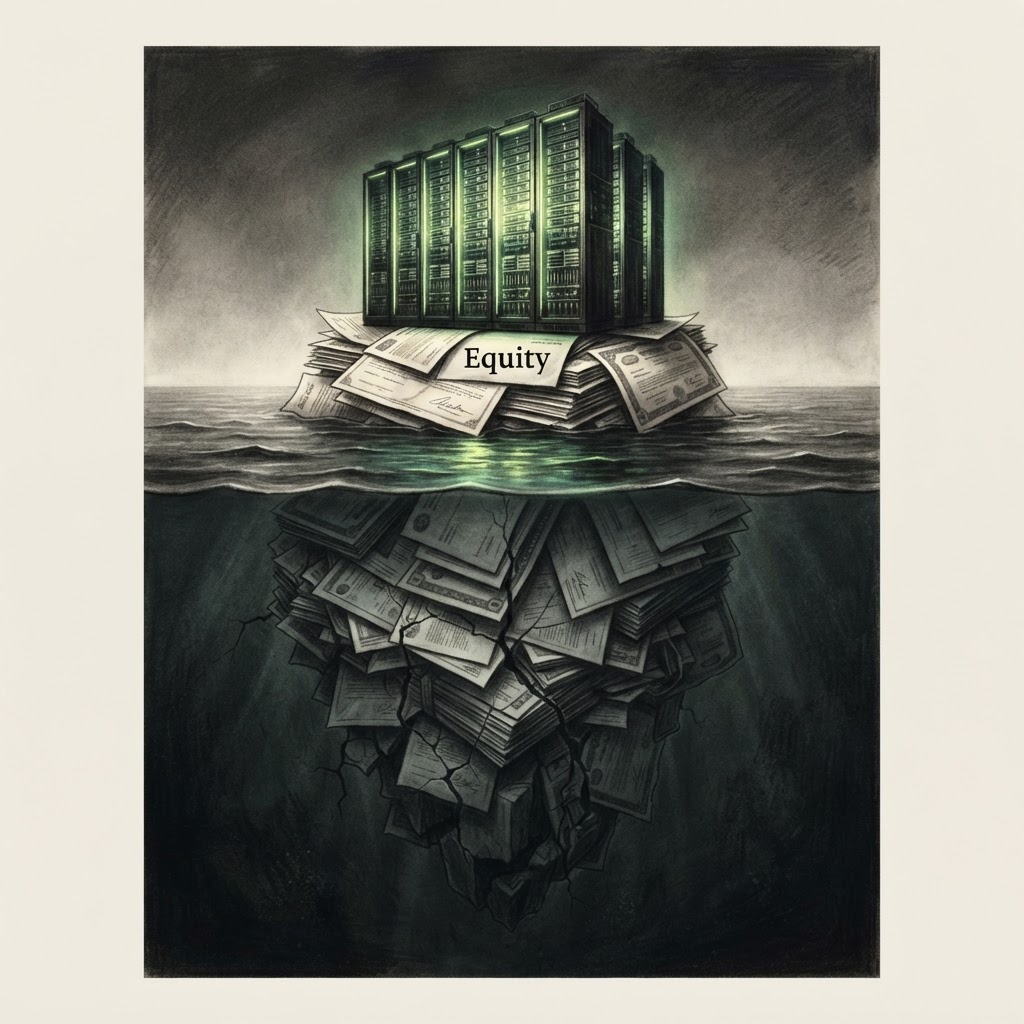
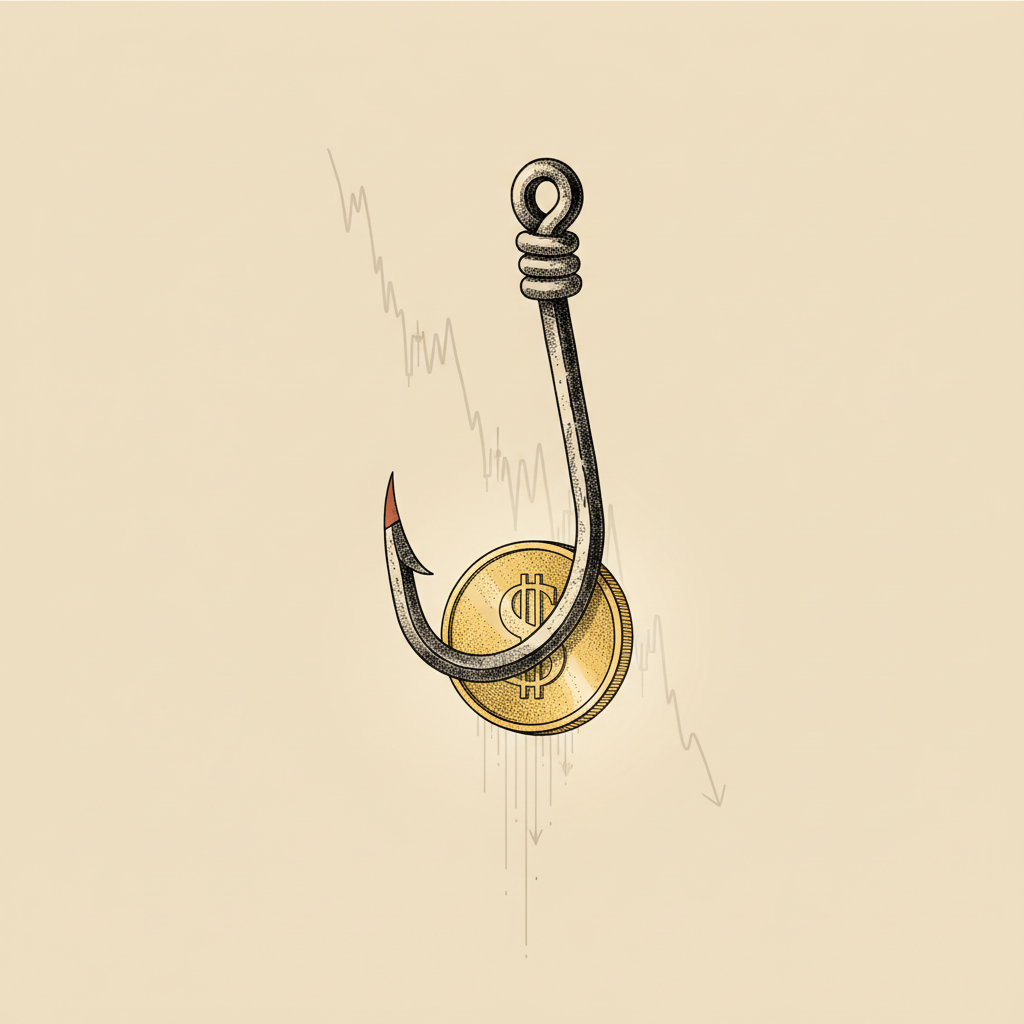
The flaw is hidden in the timing. An endorsement is information, and in a liquid market information is priced in almost instantly. The 20% you see on the chart is not your opportunity — it is the market already reacting before you finished watching the clip. Buying after the jump means paying a price that now embeds the very optimism you are excited about. You are not front-running the news; you are the crowd the news was waiting for.
Graham: the endorsement does not change what it is worth

Benjamin GrahamPrice is what you pay; value is what you get. A famous endorsement moves the first and leaves the second untouched.
- Graham would ignore who said it and ask only what the business is worth. An endorsement that adds 20% to the price subtracts 20% from your margin of safety — the same company, now more expensive, is a worse deal, not a better one.
- His Mr. Market parable fits perfectly: the crowd, electrified by a soundbite, is offering you a higher price out of emotion. You are free to ignore the offer. The right response to euphoria is usually to sell into it, not to chase it.
- The discipline: estimate intrinsic value first, before you ever hear the endorsement, so the hype meets a number instead of a vacuum. Run it through an Intrinsic Value Calculator and the question stops being "did a legend mention it?" and becomes "is it still cheap after the pop?"
Buffett: bet on the business, not on the megaphone
Warren BuffettIt is far better to buy a wonderful company at a fair price than a fair company at a wonderful price.
- Buffett buys businesses, not headlines. A single mention from a powerful customer tells you nothing durable about the supplier's economic moat: can it raise prices, keep customers, earn high returns on capital for a decade? An endorsement answers none of that.
- Worse, dependence on one giant customer is a risk Buffett would flag, not celebrate. If a company's fortunes hinge on staying in one CEO's good graces, the same mouth that lifted the stock can sink it with the next earnings call. That is fragility dressed as opportunity.
- His test is ownership for a decade: would you be happy holding this if the market closed for ten years and no one ever mentioned it again? If the thesis evaporates the moment the spotlight moves on, it was never an investment — it was a ticket to a show.

The endorsement is already in the price by the time you hear it. You are not buying the secret — you are buying the crowd's reaction to a secret that is no longer secret.
Munger: think one move further than the crowd

Charlie MungerIt is not supposed to be easy. Anyone who finds it easy is stupid.
- Munger's edge is second-order thinking. First-order: "great endorsement, buy." Second-order: "everyone watching the same clip thinks that too — so the easy money has already been made, and I am buying their excitement at a markup."
- He would invert the question: how do I lose money here? The obvious path is paying up for a one-day narrative that fades, on a business that has not actually changed. Avoiding that path is most of the work — and it requires resisting the social proof of a famous name.
- Munger prized temperament over IQ: the discipline to do nothing while a crowd stampedes. A celebrity endorsement is engineered to override exactly that discipline — which is precisely why it deserves more skepticism, not less.
Howard Marks: what does the price already assume?

Howard MarksThere's a big difference between a good company and a good investment — the price you pay determines which one you get.
- Marks built his record on second-level thinking: the goal is not to find good news but to find good news the market has underestimated. After a 20% endorsement pop, the optimism is not underestimated — it is the consensus, stamped onto the price.
- He watches the pendulum of sentiment swing from fear to greed. A viral endorsement is a greed accelerant; it pushes a stock toward the euphoric extreme where future returns are lowest and risk is highest. The crowd feels safest exactly when it is paying the most.
- His practical filter is risk-first: before chasing the upside, run a simple risk analysis of what happens if the endorsement was just talk, or the giant switches suppliers. If the downside is severe and the upside is already priced, the bet is asymmetric the wrong way.
So how should you actually use an endorsement?
None of this means a famous backer is meaningless — a major customer commitment can be a genuine signal about demand. The point is the order of operations. FinTok starts with the endorsement and works backwards to justify buying at any price. The masters start with the business and its value, and treat the endorsement as one more piece of evidence to weigh, not a reason to abandon the price discipline that protects them.
A practical checklist that fits in one breath: First, what is the business worth on its own merits — does it pass a margin of safety test after the pop, not before? Second, is the endorsement about durable economics — a real, lasting contract — or just a soundbite? Third, what does the new price already assume, and what happens to your downside if the story fades? Only if the business is strong AND still reasonably priced does the famous name become a bonus rather than a trap.
The honest version of the FinTok dream is slower and quieter: know what a handful of strong businesses are worth before anyone famous mentions them, so that when the spotlight hits and the price jumps, you already know whether it just got cheaper relative to value — or simply more expensive. That is the difference between investing on an endorsement and being the exit liquidity for it.
Recent posts







































Frequently asked questions
Should I buy a stock after a famous CEO endorses it?
Not reflexively. By the time you hear the endorsement, the market has usually already moved the price to reflect it. The right move is to value the business independently and ask whether it is still attractively priced after the jump — not to chase the pop.
What is the "endorsement trap"?
The endorsement trap is buying a stock primarily because a celebrity or powerful executive mentioned it, paying a price already inflated by that very news, on a business whose fundamentals have not actually changed. The hype fades, the price reverts, and the late buyers absorb the loss.
Can an endorsement ever be a real signal?
Yes — a concrete, lasting commitment (a large multi-year contract, a deep partnership) can be genuine evidence about demand. The discipline is to verify it is durable economics rather than a soundbite, and to still require a sensible price.
Is this investment advice?
No. This article applies public analytical frameworks to widely discussed market behavior for educational purposes only and makes no recommendation about any security.
Before you chase an endorsement, value the business through every master framework in Valuefocus:
Download Valuefocus