
Deep AnalysisAbout 12 minutes
SB Energy’s IPO: Why 8.8 GW of Contracted Capacity Isn’t Cash Flow
An 8.8 GW contracted portfolio and $439 billion backlog sit beside zero operating data-center capacity. The valuation question is not whether AI needs power, but whether each watt clears permits, financing, interconnection, completion and tenant acceptance before rent begins.

8.8 GW versus zero: the first contradiction in the IPO filing
A SoftBank announcement says SB Energy publicly filed its S-1 on September 1, 2026, U.S. time, and applied to list on the Nasdaq Global Select Market and Nasdaq Texas under SBE. The share count and price range remain undetermined. A September 1 public briefing from The Information described it as the latest company seeking a listing in the AI boom with almost no operating data-center business. That is a paraphrase, not a quotation or fraud claim.
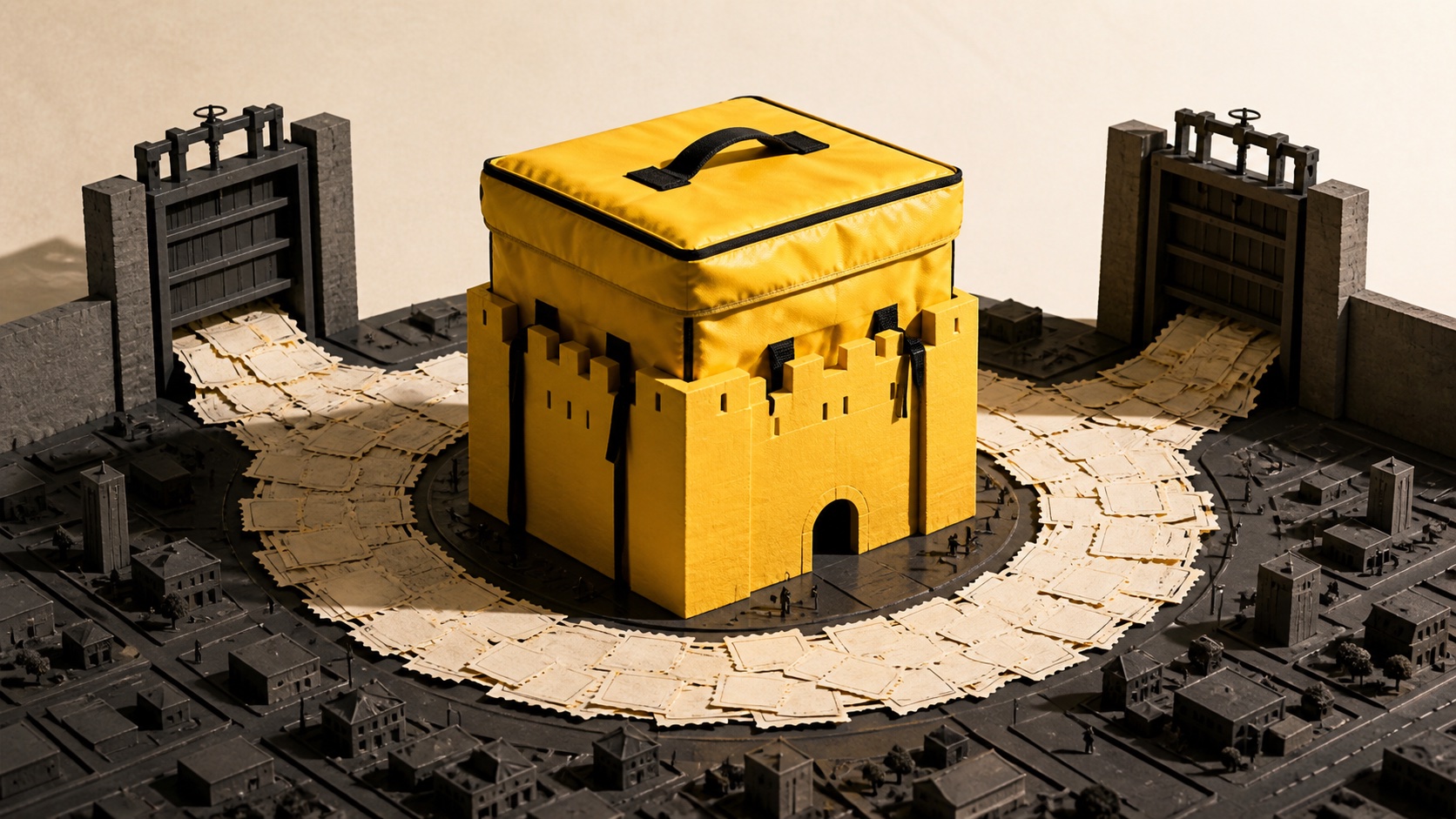
The contradiction is in the S-1. The Data Center Contracted Portfolio is 8.8 GW-IT: 0.8 GW-IT under construction and 8.0 GW-IT under long-term leases but not yet started. No data-center capacity is currently operating. Valuefocus calculates from the S-1 that construction represents 9.1% of nominal contracted capacity and operations 0.0%. This is not another “AI needs more power” thesis. It is a denominator problem: investors are discussing gigawatts while cash flow waits for rent commencement.
The numbers are enormous, but the denominator is wrong
The S-1 assigns approximately $439 billion of total backlog to the 8.8 GW-IT data-center portfolio and 5.5 GWac independent-power portfolio: about $430 billion for data centers and $10 billion for power. The data-center contracts have a capacity-weighted remaining term of approximately 19.6 years. Backlog is a company-defined non-GAAP measure. It is not recognized revenue, an unconditional receivable or cash already earned.
Long contracts create large nominal totals precisely because they span decades. They also require adjustments for completion, delay, financing, customer credit and the time value of money. Multiplying $439 billion by a revenue multiple treats nearly two decades of conditional contract value as an operating asset today. Financing proceeds are not valuation either: capital support may help a project clear a gate, but it cannot substitute for rent-producing capacity.
Revenue quality matters more than revenue growth
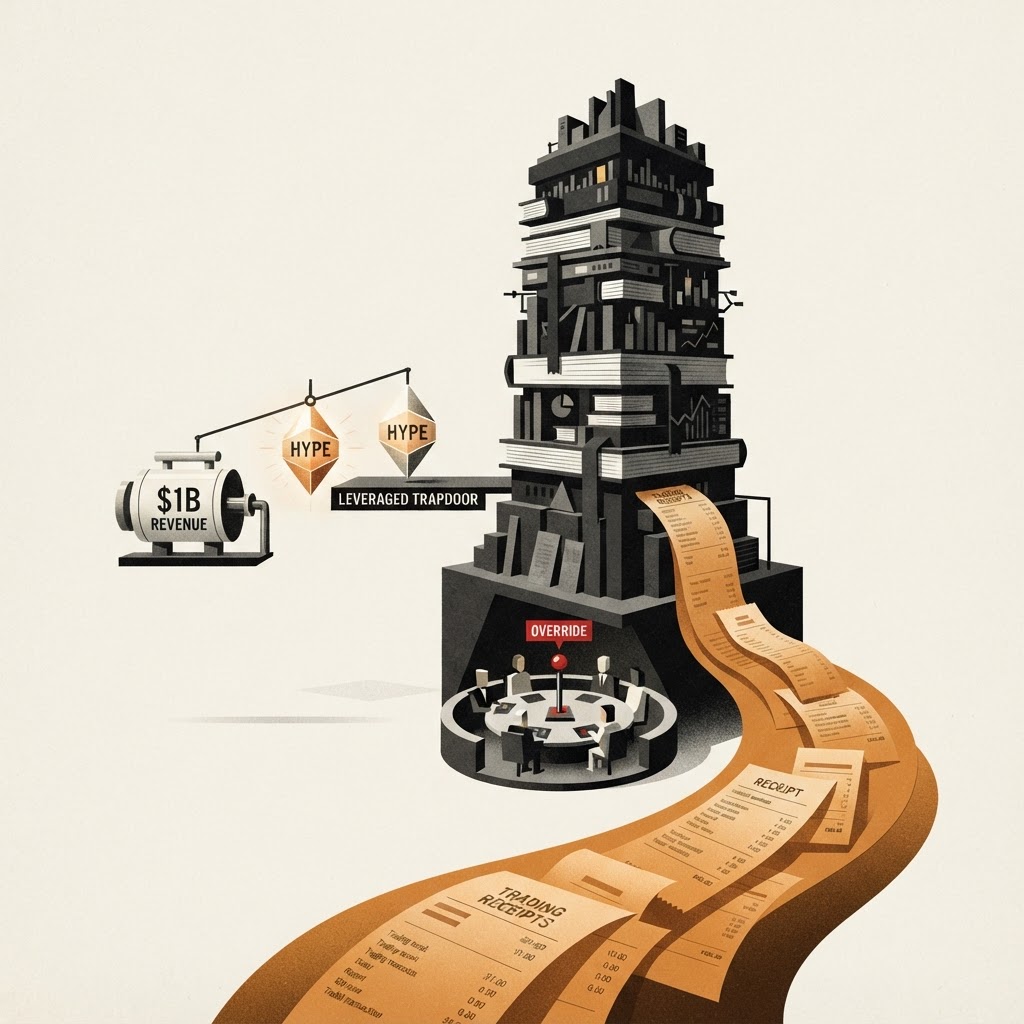
First-half 2026 total revenue was $138.7 million. Revenue from contracts with customers was $58.7 million, while realized and unrealized fair-value changes on power swaps totaled $80.0 million. Valuefocus calculates from the S-1 that derivative movements represented 57.7% of total revenue and customer-contract revenue 42.3%. With no operating data-center capacity, those figures should not be read as evidence that 8.8 GW is producing rent.
Net loss attributable to the company was $3.2089 billion, including $2.5731 billion from the fair-value change in warrant liabilities and $589.5 million of equity-based compensation. Most of those two charges are non-cash. It would be misleading to present the entire loss as operating collapse, but equally misleading to ignore cash consumption: operating cash outflow was $55.6 million, investing cash outflow $1.7062 billion and financing cash inflow $3.7587 billion.

The four gates of 8.8 GW: a lease is not rent commencement
Capacity must move through contracted, under construction, energized, and tenant-accepted with rent commenced. Those states do not belong in one denominator. A contract demonstrates demand and legal arrangements. Construction demonstrates committed capital. Energization requires permits, generation resources and grid interconnection. Rent commencement additionally requires substantial completion, certification, commissioning and tenant acceptance. If a probability is undisclosed, mark it N/A; do not turn unknown into zero.
Risk-adjusted monetizable capacity = contracted GW × probability of timely permits × probability of timely financing × probability of timely interconnection × probability of completion and tenant acceptance. These probabilities multiply; they do not add. A weak gate compounds through the whole chain.
| State | Current disclosure | Valuation meaning |
|---|---|---|
| Contracted | 8.8 GW-IT | Contract rights, not operating cash flow |
| Under construction | 0.8 GW-IT | 9.1%, Valuefocus calculation from S-1 |
| Energized | N/A | Permits, resources and interconnection must arrive |
| Accepted and rent-started | 0 GW operating | 0.0%, Valuefocus calculation from S-1 |
Cosmos is the first cash-flow test
The first expected rent commencement is approximately 50 MW at Cosmos, where the company expects initial revenue in the fourth quarter of 2026. In May 2026 the project issued $999 million of 8.875% senior secured notes due 2031. The financing cost begins before rental recognition. Rent starts only after ready-for-service conditions, construction completion, tenant acceptance, certification and commissioning standards are satisfied.
At June 30, 2026, cash and cash equivalents were $1.1991 billion and current plus non-current debt, net, was $3.8919 billion. The company’s non-GAAP Net Debt was $1.8100 billion. The next question is not simply whether Cosmos is financed, but whether 50 MW begins rent on schedule, cost per MW stays within budget and cash rent covers cash interest.
Customers, investors and guarantors form one network
SoftBank and OpenAI are both strategic investors and tenants at three campuses. NVIDIA is a strategic investor and provides a residual value guarantee for part of OpenAI’s PORTS-Pike lease obligations. OpenAI affiliates signed 17 PORTS-Pike leases covering approximately 8.0 GW-IT with initial 20-year terms, yet rent commencement for each phase still depends on interconnection, generation resources, substantial building completion and commissioning.
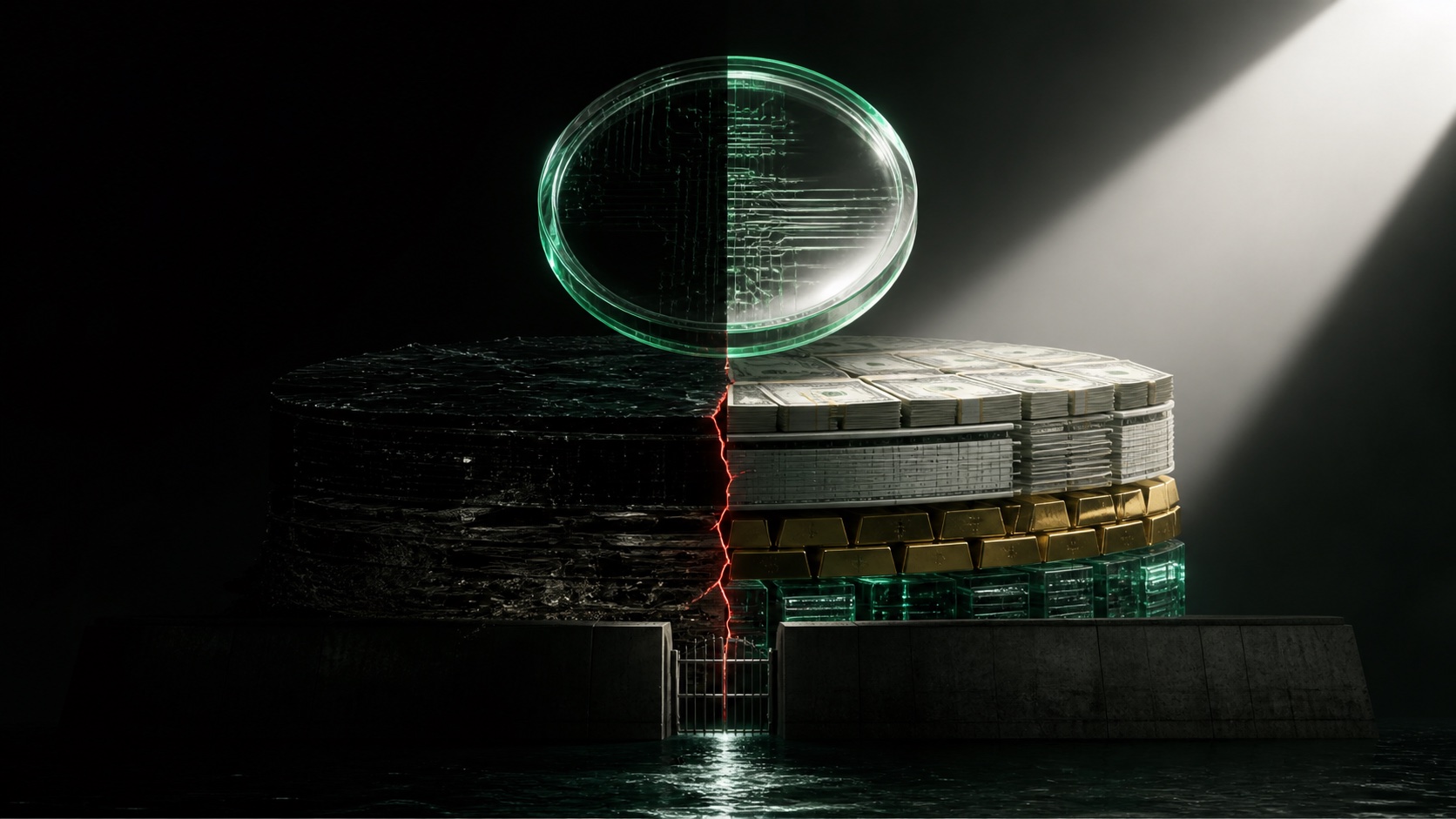
NVIDIA’s guarantee initially covers approximately 4.25 GW-IT with an aggregate cap of $105 billion. Coverage of the remaining approximately 3.78 GW-IT is at NVIDIA’s future option. The guarantee triggers only after specified tenant bankruptcy or uncured payment default events; it is not unconditional cash. NVIDIA also committed to buy $1.5 billion of non-voting equity at the IPO price and entered a separate $1.5 billion prepaid forward settling at 90% of the IPO price, for $3.0 billion combined. The support is real, but investor, customer and guarantor relationships become more circular. That related-party concentration deserves its own risk price; it is not an allegation of deception.
The S-1 figures of approximately 8.0 GW, 4.25 GW and 3.78 GW are rounded and may not reconcile exactly because of contract scope and rounding. Precision should not be invented where the filing supplies approximations.

Do not apply a multiple directly to backlog
A second formula brings valuation back to distributable cash: Infrastructure owner earnings = cash rent and power-sale receipts − operating costs − maintenance capital expenditure − financing cost − completion and delay reserve. Orders, backlog, fair-value gains and financing inflows are not cash rent. The earlier the project, the less defensible it is to hide completion and delay reserves behind the phrase “AI demand.”
Do not treat $439 billion of backlog as today’s value. Open the Valuefocus Reverse DCF and replace start rates, interconnection probability, delay and cost of capital with your own assumptions. Compare the analysis with the data-center permission bottleneck, AI capex and free cash flow, and AI hidden debt. This article is different: it separates IPO capacity states from the cash-flow denominator.
What three investors would examine
The owner-earnings lens in Berkshire Hathaway’s 1986 shareholder letter asks what capital is required to maintain competitive position and unit volume. Orders, backlog and fair-value revenue are not distributable cash. Damodaran’s valuation introduction ties value to cash flow, growth and uncertainty. Execution risk must enter cash flows, the growth path and the discount rate; “AI demand” cannot erase all three.
Munger-style inversion starts with failure: what prevents 8.8 GW from ever reaching rent commencement? Permit delay, mismatched project financing, an interconnection queue, construction overruns, failed commissioning, weaker tenant credit, reduced guarantee coverage and changing related-party demand are more valuation-relevant than nominal gigawatts.
Owner earnings, risk in the model and inversion
Owner earnings, risk in the model and inversionVerify cash before giving contracts and capacity valuation weight
- Buffett: start with collected cash and deduct the capital and financing burden needed to preserve the asset.
- Damodaran: place every execution risk in cash flows, growth and the discount rate.
- Munger: list every route to a missed rent date, then look for disconfirming evidence.
Bull-bear verification: make the story falsifiable
The bull case must prove more than new leases: on-time rent commencement, cost per MW within budget, improving cash-interest coverage, more unaffiliated tenants and stable utilization after opening. Bear warnings are repeated delay, budget revisions, shrinking guarantee coverage, persistently high financing costs and further concentration of customers and capital.
| Test | Falsifiable bull evidence | Bear warning |
|---|---|---|
| Schedule | On-time RFS, acceptance and rent | Delay or failed commissioning |
| Cost | Cost per MW stays on budget | Repeated budget increases |
| Financing | Cash-interest coverage improves | Financing cost remains high |
| Customers | Unaffiliated tenant share rises | Tenant and guarantee concentration |
| Operations | Stable utilization and cash rent | Operating GW remains near zero |
Only six numbers matter next quarter
Track operating GW, GW reaching RFS or acceptance, cash rental revenue, completion cost per MW, capitalized and cash interest, and unaffiliated-customer share. Mark an undisclosed figure N/A rather than zero, and never substitute financing raised for project value.
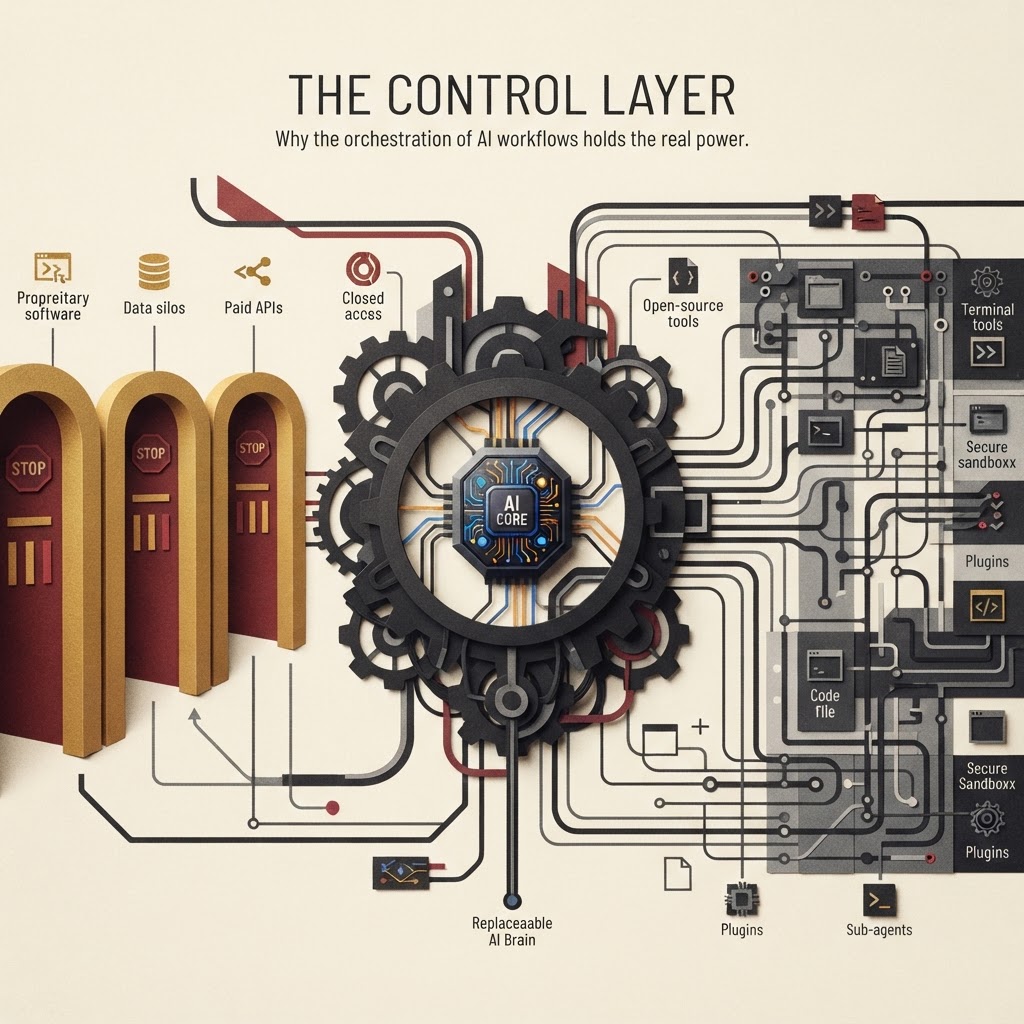
The strong conclusion is that SB Energy’s scarce asset is not “contracted watts.” It is the completion capability that moves each watt from contract paper to the meter and then into a bank account. Download Valuefocus and save this contracted-to-rent infrastructure valuation template. This is educational research, not investment advice.
Recent posts






































Frequently asked questions
Is SB Energy’s 8.8 GW of contracted capacity operating capacity?
No. The S-1 reports 0.8 GW under construction, 8.0 GW leased but not started and zero operating data-center capacity.
Why can’t $439 billion of backlog be treated as enterprise value?
It is a non-GAAP, long-duration and conditional contract measure, not recognized revenue or unconditional cash. Completion, timing, financing and customer risk still require adjustment.
When does data-center rent begin?
Rent generally requires ready-for-service conditions, substantial construction completion, power and interconnection, certification, commissioning and tenant acceptance. A signed lease alone does not start rent.
Is NVIDIA’s $105 billion guarantee a cash commitment?
No. It initially covers approximately 4.25 GW-IT and triggers only after specified tenant bankruptcy or uncured payment-default events.
Which metrics matter most for valuing SB Energy?
Operating GW, RFS or accepted GW, cash rent, completion cost per MW, capitalized and cash interest, and unaffiliated-customer share. Undisclosed items should be N/A.
Download Valuefocus and save this contracted-to-rent infrastructure valuation template.
Download Valuefocus