
Deep Investment Research10 min read
Tether Finally Got a Full Audit. The Opacity Discount Is Gone—Run Risk Is Not.
KPMG issued an unqualified opinion on Tether’s 2025 financial statements, ending the long-running “attestation but no audit” argument. Yet an audit asks whether past accounts were fairly stated. A run asks whether assets can be monetized today.

A Full Audit Changes the Evidence Base
The Information highlighted Tether’s first full audit. Tether said KPMG tested full statements, transactions, systems, ownership, valuations and counterparties.
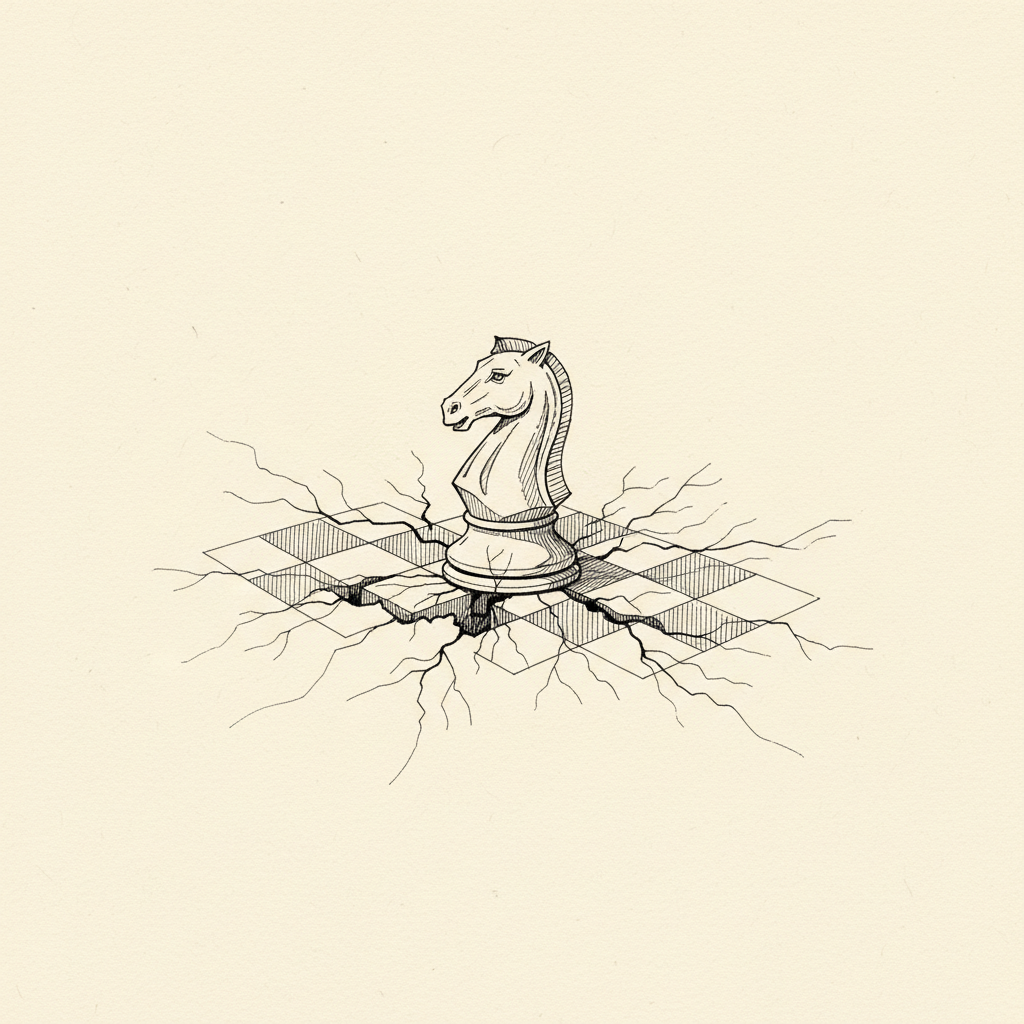
A clean opinion lowers historical opacity. It does not certify that every asset can be sold without delay or discount in a future run. An audit is a clearer rear-view mirror, not road insurance.
The Key Number Is the 2.2% Buffer
Tether’s Q2 attestation reported $187.75B of assets, $183.64B of liabilities and $4.11B of excess reserves.
That buffer would be consumed by a net asset loss of roughly 2.2%. This is not a prediction of insolvency; it is the margin of error investors should stress.
| Disclosure | Value | Meaning |
|---|---|---|
| 2025 audit | Unqualified KPMG opinion | Lower historical opacity |
| 2025 year-end excess reserves | $6.814B | Audited point-in-time cushion |
| Q2 2026 assets | $187.75B | Reserve scale |
| Q2 2026 liabilities | $183.64B | Mostly redeemable tokens |
| Q2 2026 excess reserves | $4.11B | Roughly 2.2% buffer |
| Q2 operating profit | About $1.5B | Treasury and repo driven |
A Profitable Shadow Bank Without Deposit Insurance
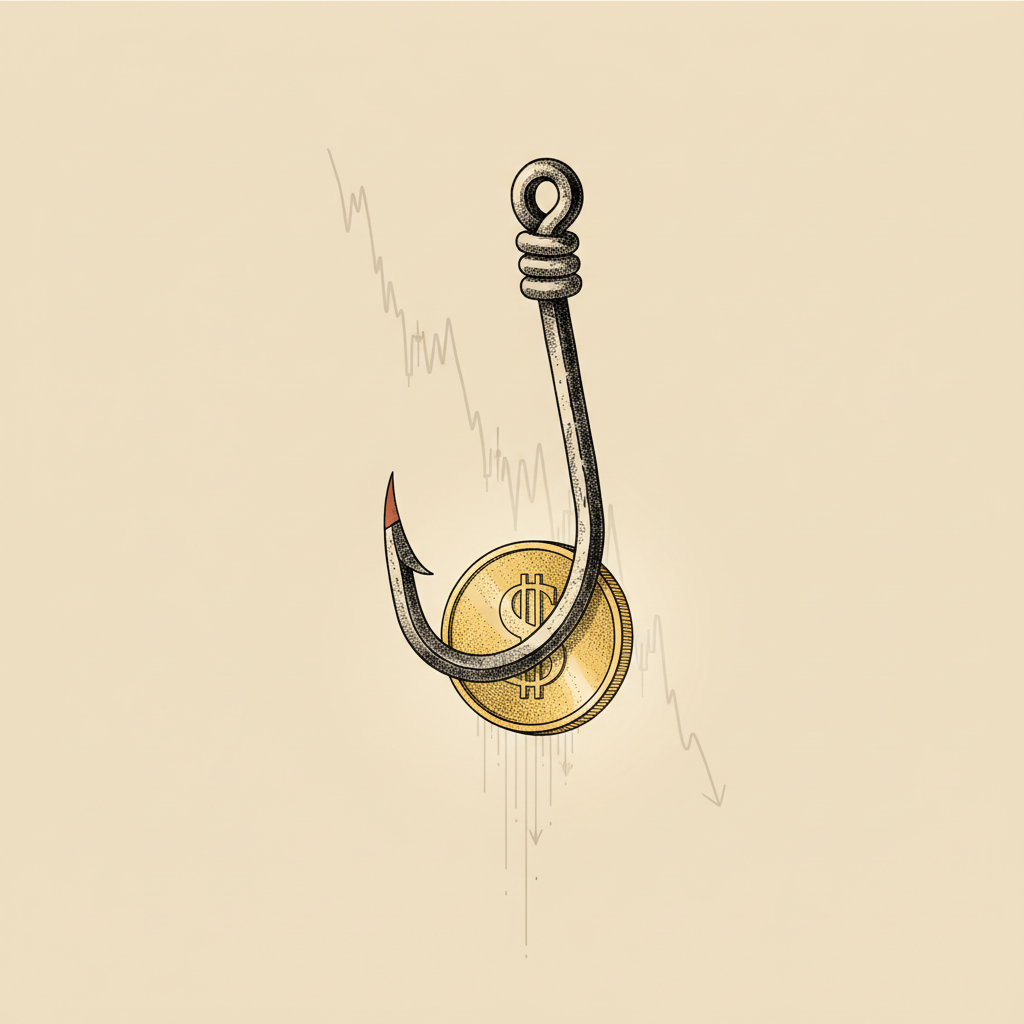
Tether issues near-zero-cost digital liabilities and invests reserves in short-term government securities and repo. Buffett would recognize valuable float—but float is only valuable when redemption discipline survives stress.
A 200-basis-point decline in short rates could mechanically reduce annual income on a $184B-scale reserve base by roughly $3.7B before portfolio and reinvestment effects. Profitability is a moat and a rate-cycle exposure.
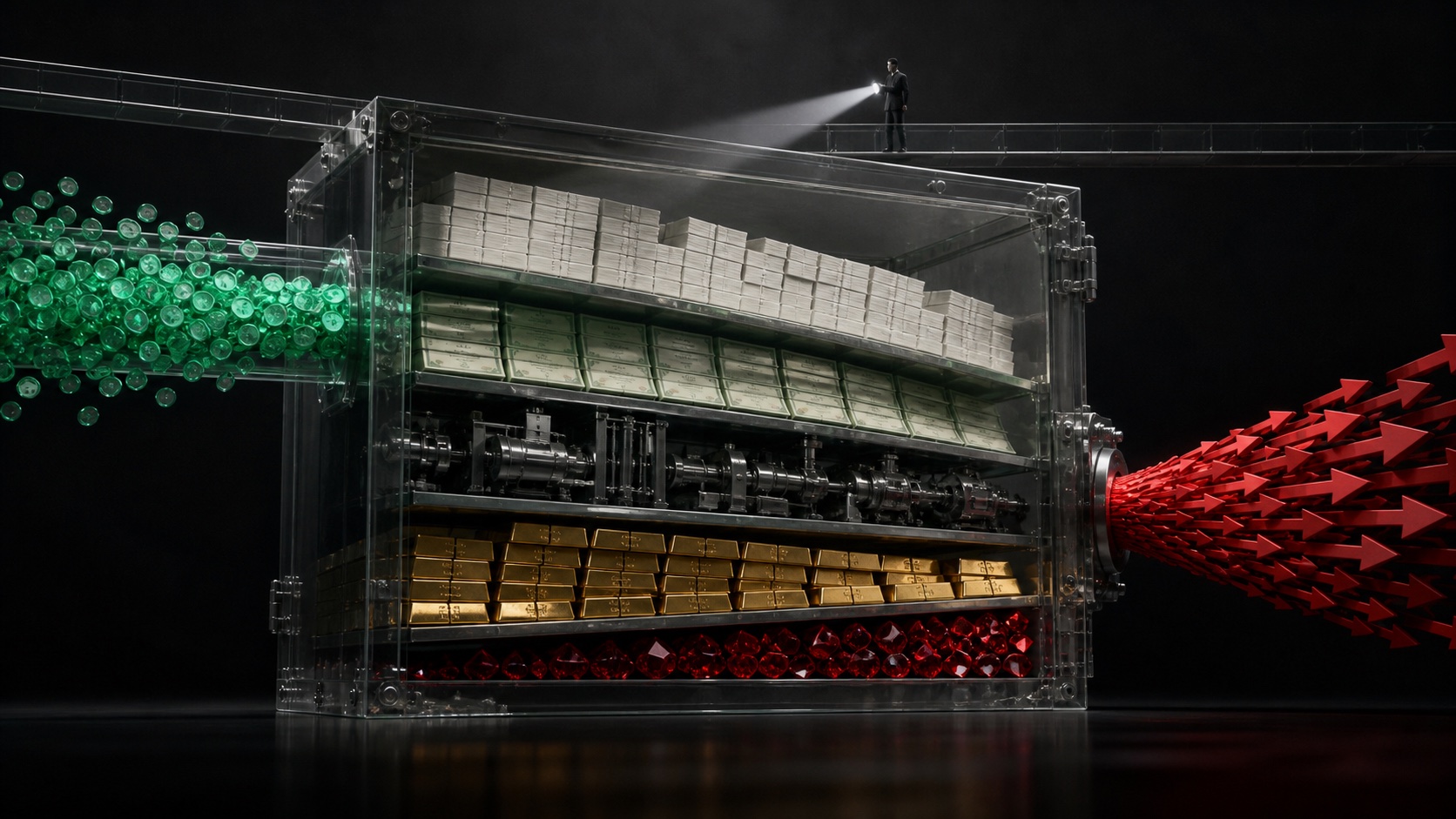
Invert the Redemption Promise
Munger would test settlement delays, stressed haircuts, concentrated redemptions and legal eligibility. Howard Marks would focus on the moment safe assets must be sold without choice. Track duration, counterparties, direct redemptions, de-pegs and buffer-to-liability—not profit alone.
TikHub Shows the Premium on Simple Answers
An August 14 TikHub sample showed 1.1M views for “ChatGPT finds penny stocks” versus 127,500 for a company-financial-health explainer. That is evidence about attention incentives, not Tether’s solvency.
Audit Is the Starting Point, Not the Margin of Safety
Graham would haircut each reserve category and ask whether stressed assets still cover liabilities. Use the reverse DCF calculator for rate sensitivity and the risk analysis framework for 2%, 5% and 10% redemption scenarios.
The audit deserves a credibility upgrade. It does not deserve a zero risk discount. The debate has moved from whether reserves exist to when they are available, who gets paid first and how long a 2.2% cushion lasts when rates and confidence fall together.
Recent posts







































Frequently asked questions
Does an unqualified opinion make USDT risk-free?
No. It addresses the 2025 financial statements, not future portfolio changes, real-time liquidity or redemption channels.
How large was Tether’s latest disclosed reserve buffer?
About $4.11B at Q2 2026, roughly 2.2% of total liabilities.
Can TikHub attention establish stablecoin safety?
No. It measures narrative attention, not reserves or redemption capacity.
Treat the audit as better model input, not a buy signal. Put reserve buffers, rate sensitivity and redemption stress into one falsifiable Valuefocus memo.
Download Valuefocus