Value = Σ FCFₜ ÷ (1 + WACC)ᵗ + Terminal ValueQuality compounds quietly for decades. Temperament and a clear circle of competence beat chasing the cheapest price.
 Valuefocus
The cash left over after a business pays for everything required to keep itself running — the money that could, in principle, be handed to owners.
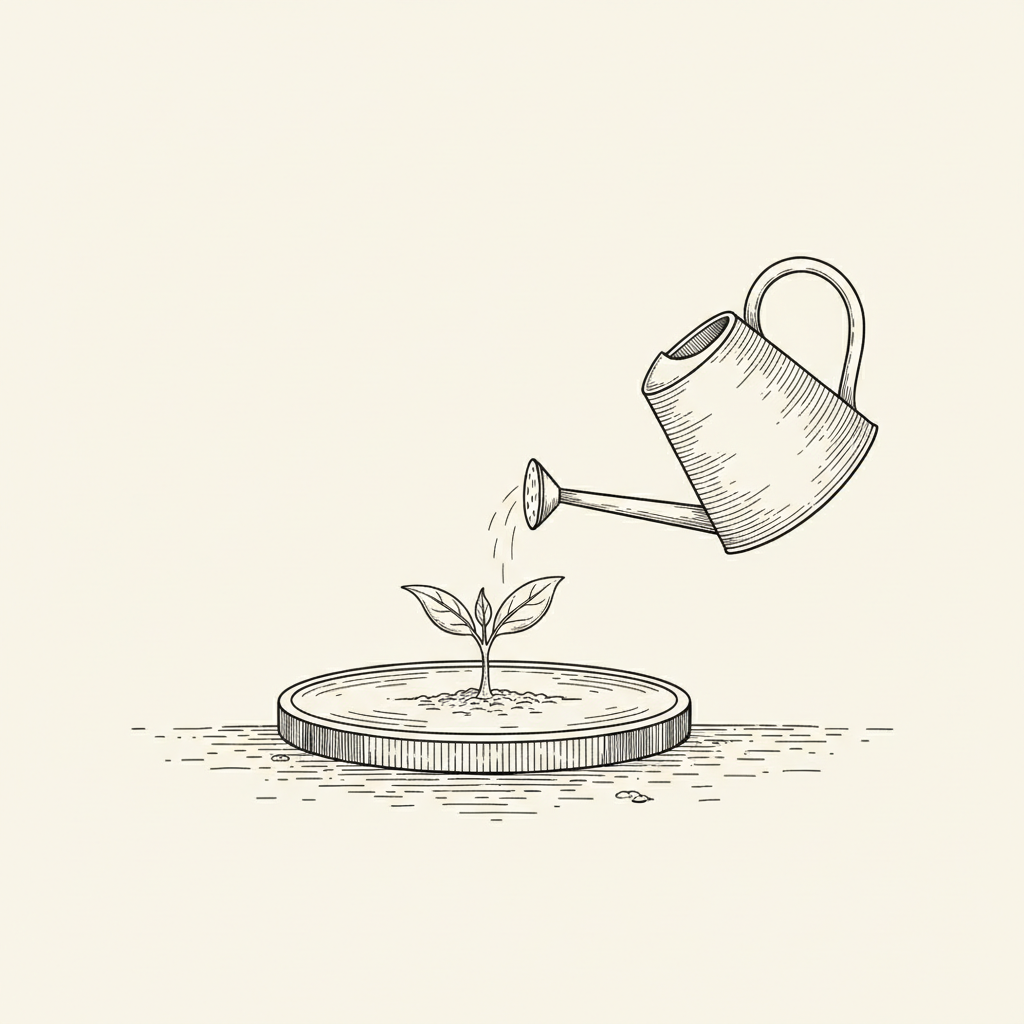
Free cash flow is the cash a business generates from operations after subtracting the capital expenditures needed to maintain and grow it: FCF = Cash from Operations − CapEx. Because cash either arrives in the bank or it does not, FCF is far harder to fabricate than accounting earnings — making it the more honest measure of what a business actually produces for its owners.
Free cash flow is operating cash flow minus capital expenditures: FCF = Cash from Operations − CapEx. It measures the cash a business actually produces after reinvesting what is needed to maintain its assets and operations.
Unlike accounting earnings, FCF is hard to fabricate with bookkeeping choices. Revenue can be recognized aggressively and expenses deferred, but cash either arrived in the bank account or it did not.
Owners ultimately get paid in cash — dividends, buybacks, and debt reduction are all funded from it. A company can report growing profits for years while consuming cash; such businesses depend on outside financing and break in tight markets. FCF is the more honest measure of what a business produces.
A bakery collects $200,000 in cash from customers this year and spends $50,000 replacing ovens and fixing the storefront. Its free cash flow is $150,000 — money the owner could take home without the bakery deteriorating. If the ovens needed $250,000, the "profitable" bakery would actually consume cash.
"Higher FCF is always better." Not when it comes from underinvestment. A company can inflate today's FCF by skipping maintenance and starving growth projects — borrowing from future cash flows. Always ask whether CapEx looks sustainable relative to the asset base and growth plans.
Value = Σ FCFₜ ÷ (1 + WACC)ᵗ + Terminal ValueQuality compounds quietly for decades. Temperament and a clear circle of competence beat chasing the cheapest price.
| Shortcut | The cash left over after a business pays for everything required to keep itself running — the money that could, in principle, be handed to owners. |
|---|---|
| Disciplined workflow | Formula: operating cash flow minus capital expenditures. → Owners are ultimately paid from FCF — via dividends, buybacks, and debt reduction. → Very high FCF can be a warning sign if it comes from underinvestment, not strength. |
Practical guides on valuation, margin of safety, and reading businesses — straight to your inbox. No spam.
We respect your privacy. Unsubscribe anytime.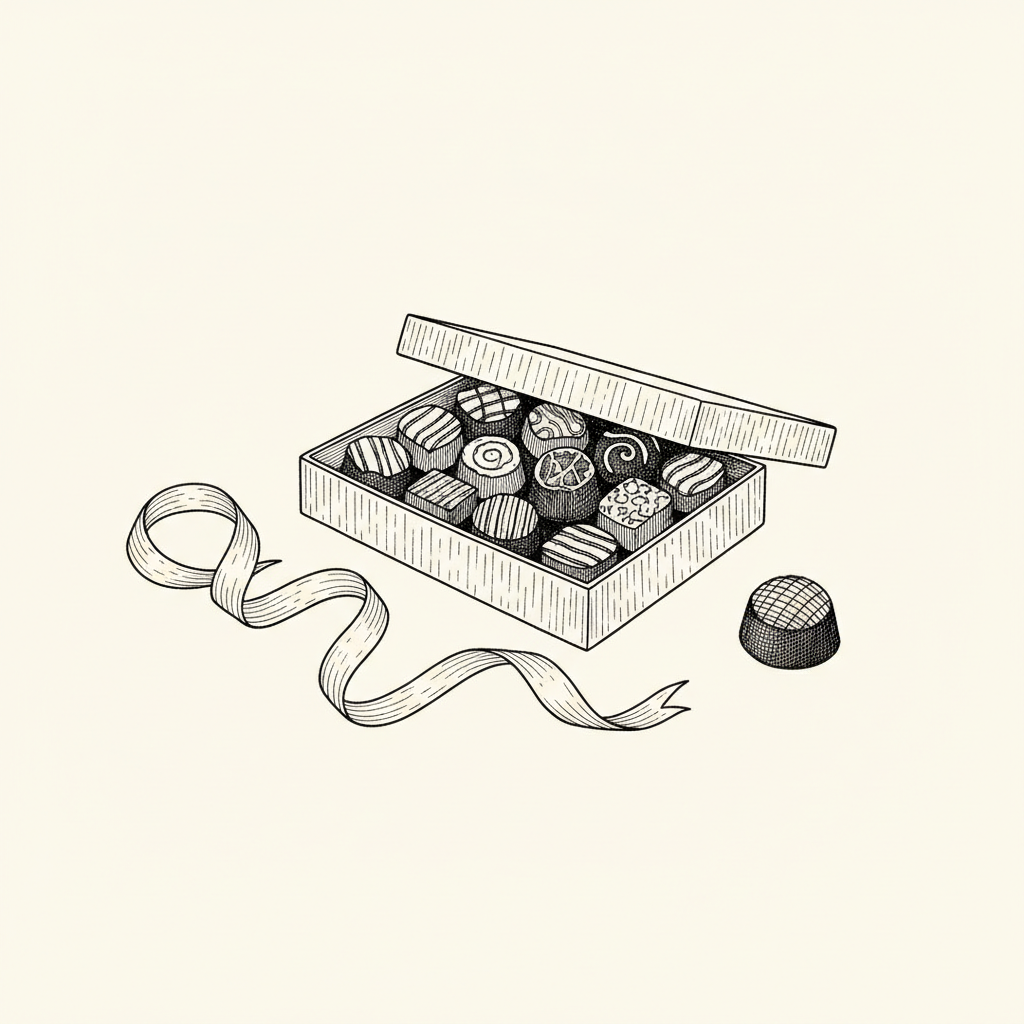
In 1972 the sellers of See's Candies asked $30 million; Buffett, trained on Graham's cigar butts, refused to go above $25 million — roughly three times book value, a price the old Buffett would never pay. The deal nearly died over $5 million. Charlie Munger pushed back: a beloved brand with loyal customers and genuine pricing power deserved a premium.
They paid the $25 million. See's went on to ship more than $1.65 billion of cumulative pre-tax earnings back to Omaha while needing almost no additional capital — raising prices every year without losing a single loyal customer. Buffett later called it 'the prototype of a dream business' and credits this one purchase with rewiring how he invests.
Quality compounds quietly for decades. Temperament and a clear circle of competence beat chasing the cheapest price.
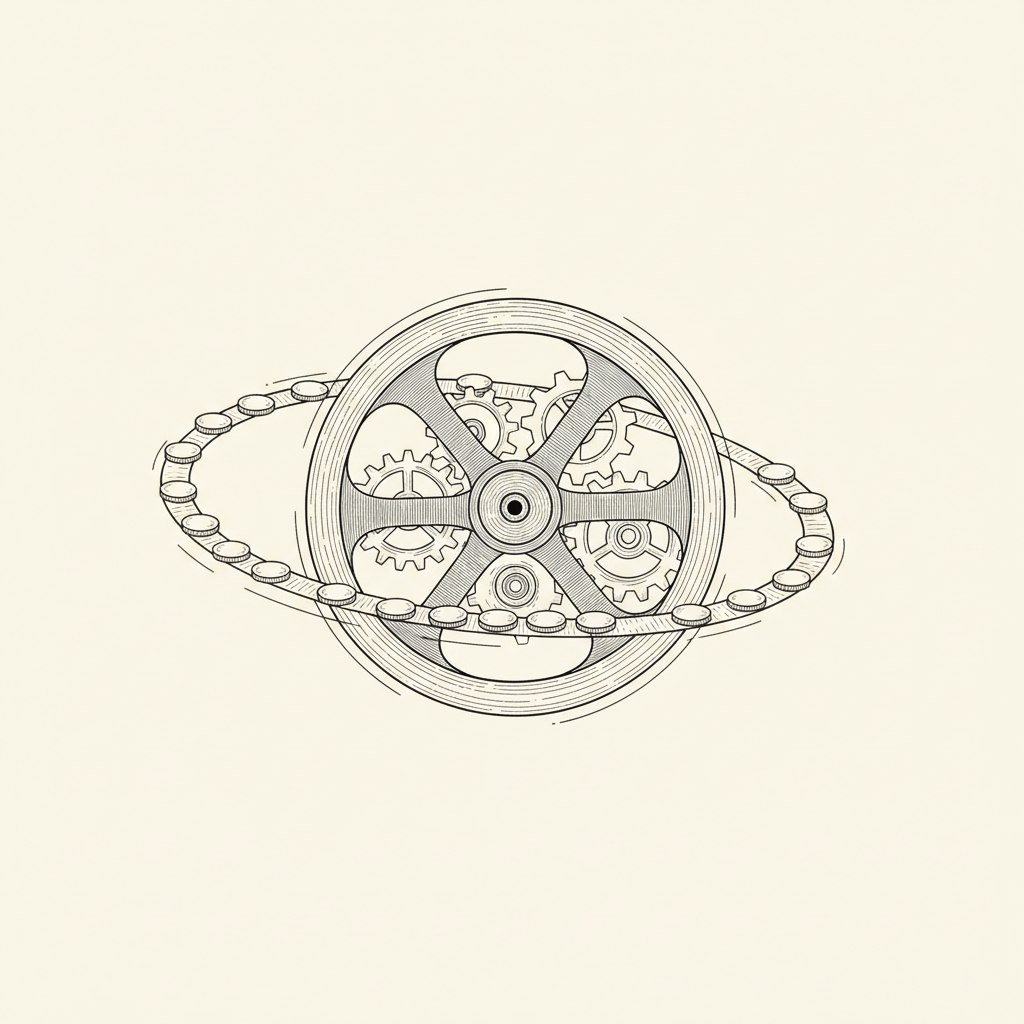
In 2016, with Apple trading near 10–12 times earnings amid fears the iPhone cycle had peaked, Berkshire began buying — eventually about $36 billion of stock. Buffett's thesis required no technology forecast: a product customers would not abandon, extraordinary returns on invested capital, and a buyback machine that increased Berkshire's ownership share every year without another dollar spent.
The stake grew to be worth more than $150 billion at its peak — the most profitable single investment in Berkshire's history, earned not by predicting gadgets but by recognizing a high-ROIC franchise priced like a metal-bender.
High returns on capital plus a shrinking share count quietly multiply your slice of the profits.
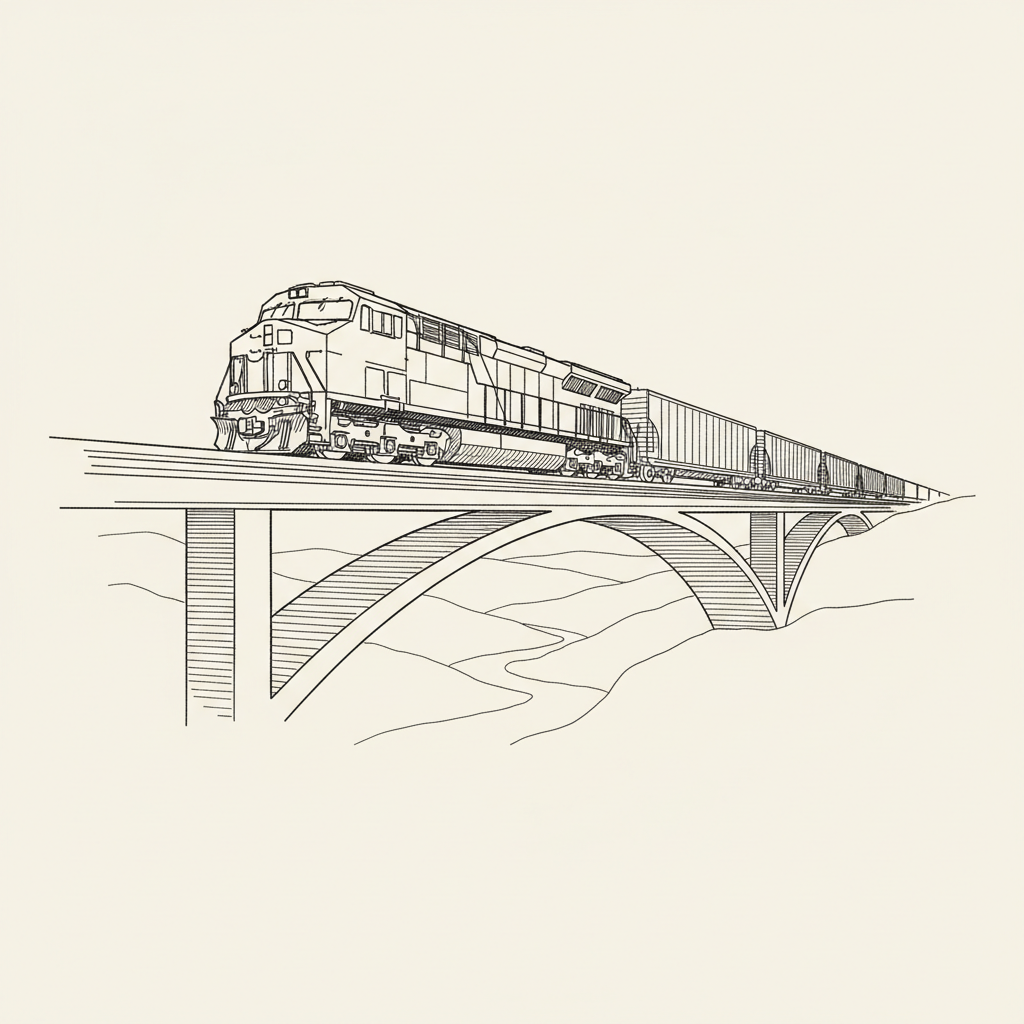
In November 2009, with the economy still gripped by post-crisis fear, Buffett made the largest acquisition of his life: about $44 billion including debt for the Burlington Northern Santa Fe railroad. He called it "an all-in wager on the economic future of the United States" — made precisely when most investors wanted nothing to do with cyclical, capital-heavy assets.
A railroad is the opposite of a glamorous stock: century-old, regulated, expensive to maintain. It is also a network that can never be rebuilt at any price. In the years since, BNSF has paid Berkshire more in cumulative dividends than the entire purchase price.
Durable, boring assets bought amid fear can beat exciting stories bought amid cheer.
No. Profit is an accounting result after non-cash adjustments; FCF tracks actual cash in minus cash reinvested. They can diverge sharply, and the divergence is often informative.
It varies by industry. Asset-light businesses can convert over 20% of revenue to FCF; capital-intensive ones far less. Compare against industry peers and the company's own history.
Use FCF properly inside guided valuations:
Download Valuefocus