Value = Σ FCFₜ ÷ (1 + WACC)ᵗ + Terminal ValueQuality compounds quietly for decades. Temperament and a clear circle of competence beat chasing the cheapest price.
 Valuefocus
The profit a business earns for every dollar of capital tied up in it — arguably the single best numerical signal of business quality.

ROIC is after-tax operating profit divided by the capital invested in a business: ROIC = NOPAT ÷ Invested Capital. It measures how many cents of profit each dollar tied up in the business produces per year. Unlike return on equity, it is not flattered by borrowing — which makes it arguably the single best numerical signal of underlying business quality.
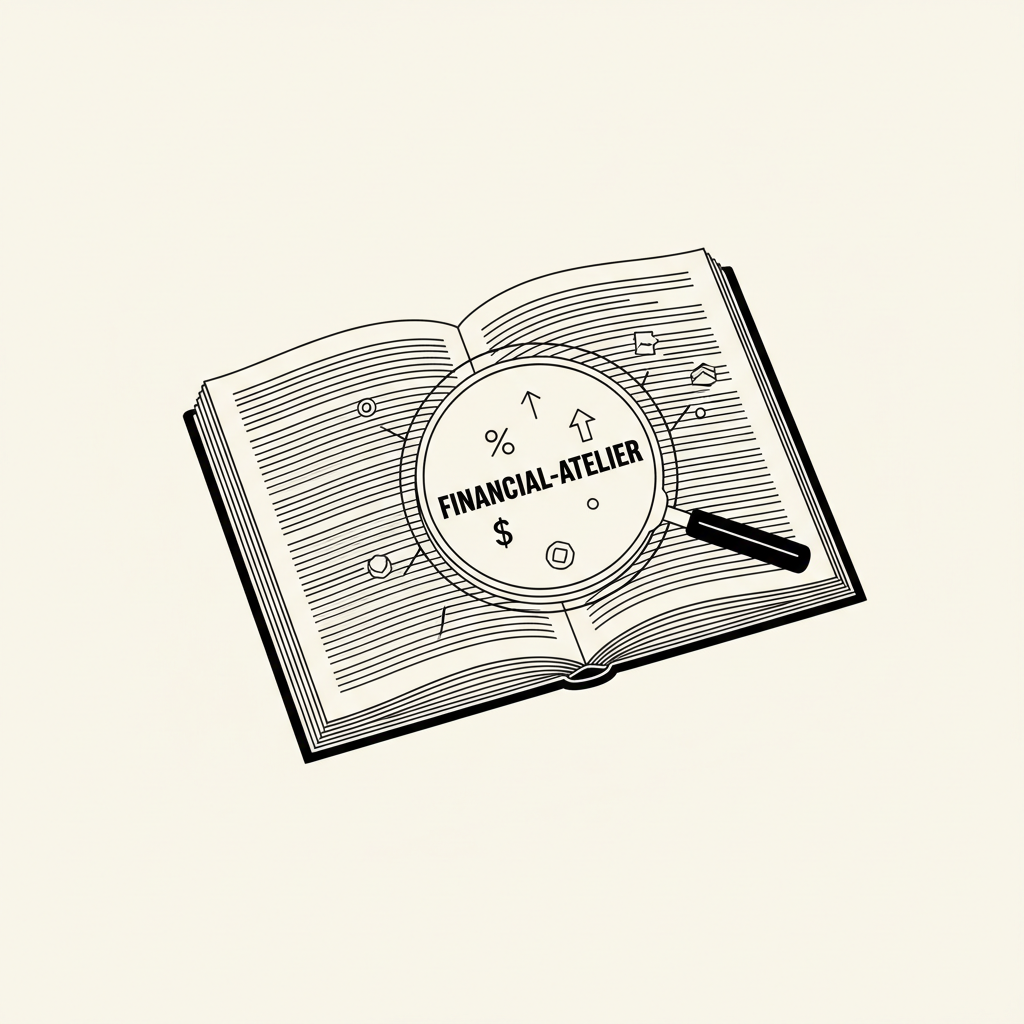
ROIC is after-tax operating profit divided by invested capital: ROIC = NOPAT ÷ Invested Capital. It answers a simple question: for each dollar locked into this business — factories, inventory, acquisitions, working capital — how many cents of profit come out per year?
Unlike return on equity, ROIC is not flattered by leverage: borrowing more does not improve it. That makes it the cleaner measure of how good the underlying business actually is.
Over long holding periods, an investor's return tends to converge toward the business's ROIC, not the entry multiple. A company compounding capital at 20% builds wealth dramatically faster than one earning 6%, almost regardless of modest differences in purchase price. ROIC above WACC is also where moats reveal themselves in numbers.
Two restaurants each earn $100,000 a year. One needed $400,000 to build (25% ROIC); the other needed $2,000,000 (5% ROIC). Same profit, vastly different businesses: the first can fund a second location from two years of earnings, while the second can barely cover its cost of capital.
"High ROIC alone makes a stock attractive." Quality is not the same as opportunity. A superb business can be priced so high that future returns are mediocre. ROIC identifies what is worth studying; valuation determines whether it is worth buying — and even high ROIC only compounds if the company can reinvest at those rates.
Value = Σ FCFₜ ÷ (1 + WACC)ᵗ + Terminal ValueQuality compounds quietly for decades. Temperament and a clear circle of competence beat chasing the cheapest price.
| Shortcut | The profit a business earns for every dollar of capital tied up in it — arguably the single best numerical signal of business quality. |
|---|---|
| Disciplined workflow | Formula: after-tax operating profit (NOPAT) divided by total invested capital. → Sustained ROIC above the cost of capital (WACC) is where a moat reveals itself. → High ROIC identifies quality, but valuation still decides whether it is worth buying. |
Practical guides on valuation, margin of safety, and reading businesses — straight to your inbox. No spam.
We respect your privacy. Unsubscribe anytime.
In 1972 the sellers of See's Candies asked $30 million; Buffett, trained on Graham's cigar butts, refused to go above $25 million — roughly three times book value, a price the old Buffett would never pay. The deal nearly died over $5 million. Charlie Munger pushed back: a beloved brand with loyal customers and genuine pricing power deserved a premium.
They paid the $25 million. See's went on to ship more than $1.65 billion of cumulative pre-tax earnings back to Omaha while needing almost no additional capital — raising prices every year without losing a single loyal customer. Buffett later called it 'the prototype of a dream business' and credits this one purchase with rewiring how he invests.
Quality compounds quietly for decades. Temperament and a clear circle of competence beat chasing the cheapest price.
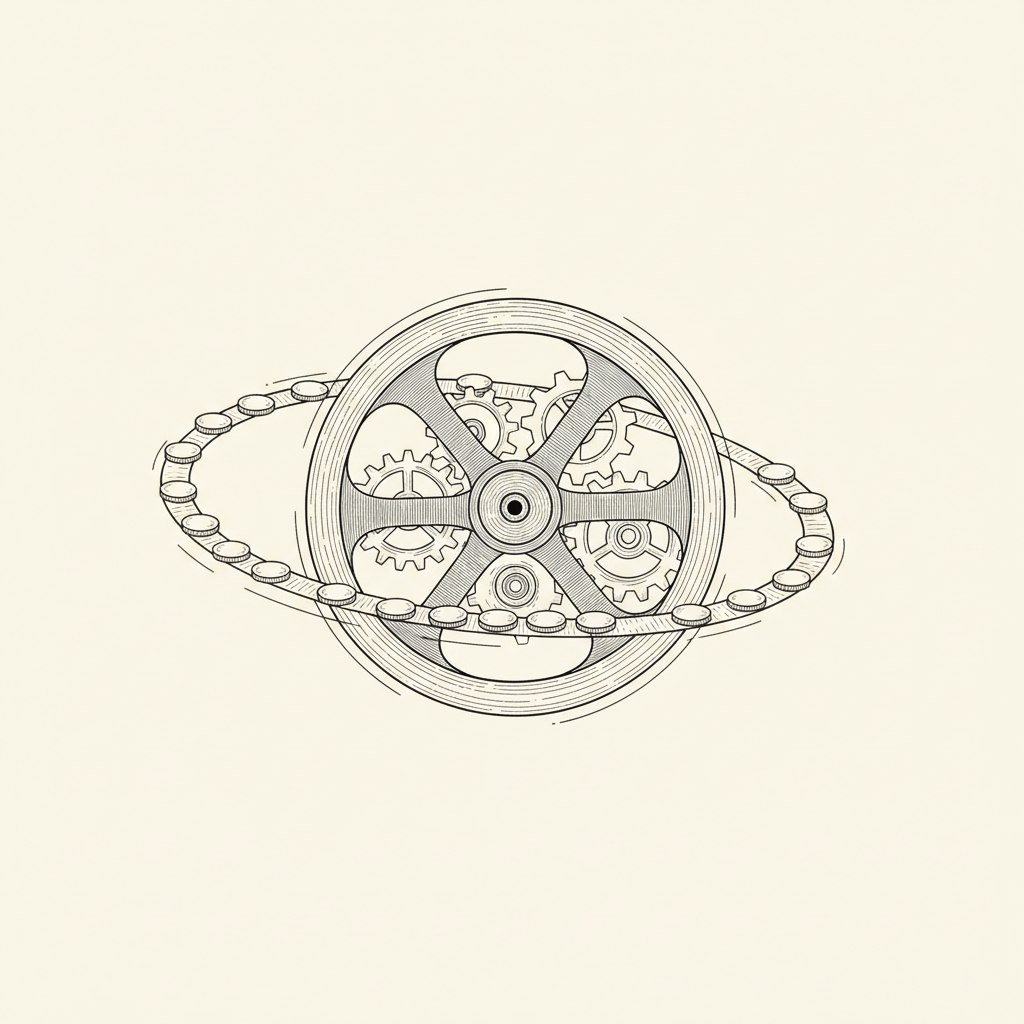
In 2016, with Apple trading near 10–12 times earnings amid fears the iPhone cycle had peaked, Berkshire began buying — eventually about $36 billion of stock. Buffett's thesis required no technology forecast: a product customers would not abandon, extraordinary returns on invested capital, and a buyback machine that increased Berkshire's ownership share every year without another dollar spent.
The stake grew to be worth more than $150 billion at its peak — the most profitable single investment in Berkshire's history, earned not by predicting gadgets but by recognizing a high-ROIC franchise priced like a metal-bender.
High returns on capital plus a shrinking share count quietly multiply your slice of the profits.
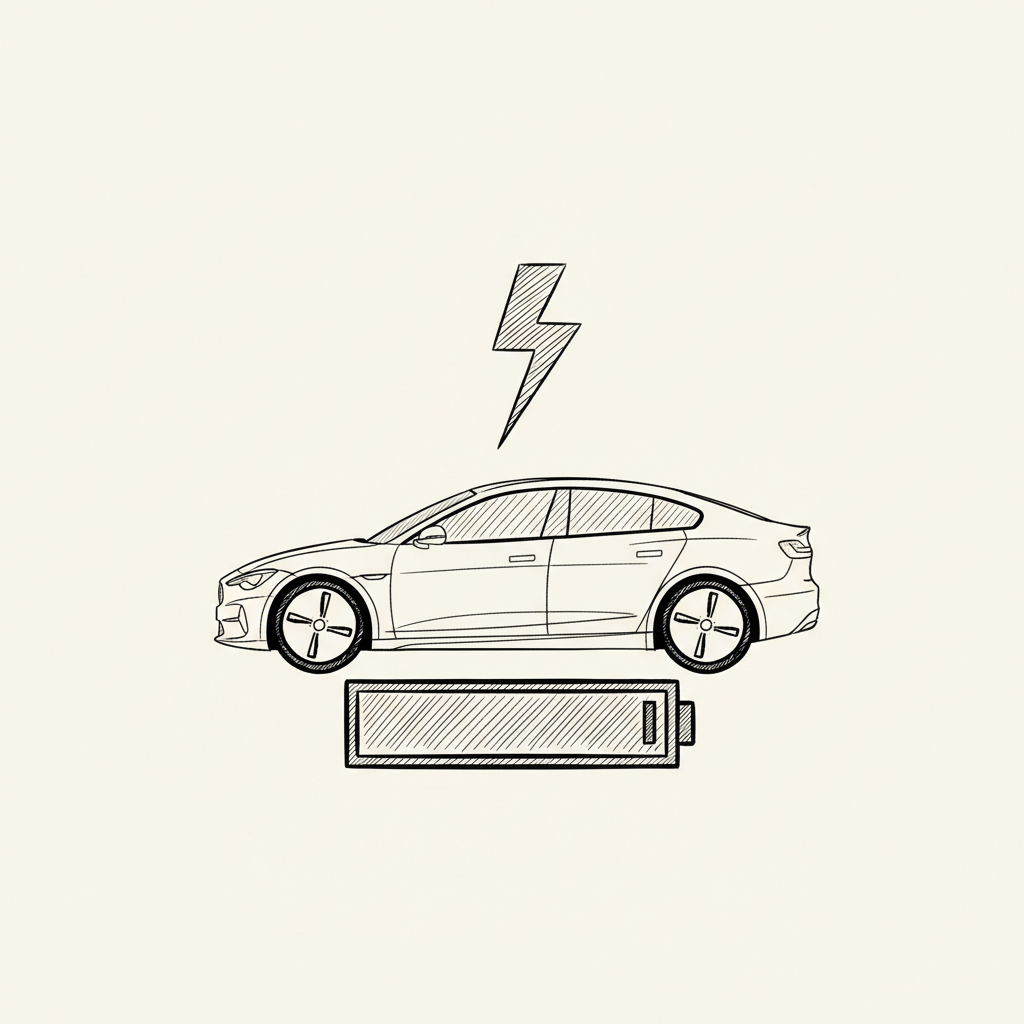
In the depths of the 2008 crisis, Munger did something he had never done before: he actively lobbied Buffett to invest in BYD, a Chinese battery and car maker led by engineer Wang Chuanfu — a man Munger described as "a combination of Thomas Edison and Jack Welch". The conviction came through Li Lu, whose circle of competence covered what Omaha's did not.
Berkshire paid $232 million for about 10% of the company — a tiny position by its standards, in an industry Buffett had publicly sworn off. At its 2022 peak the stake was worth roughly $9 billion, close to a forty-fold gain, before Berkshire began trimming.
A circle of competence can be extended honestly — by trusting someone who genuinely has one where you do not.
Sustained ROIC above 15% is commonly viewed as strong; above 20% as exceptional. Context matters — compare against the company's cost of capital and its industry.
ROE divides profit by shareholder equity only, so heavy debt inflates it. ROIC divides by all invested capital (debt and equity), making it harder to flatter with leverage.
Make quality checks like ROIC part of your routine:
Download Valuefocus