Decision quality = Evidence × Repeatability × ReviewQuality compounds quietly for decades. Temperament and a clear circle of competence beat chasing the cheapest price.
 Valuefocus
A durable structural advantage that lets a business defend high returns on capital against competitors who would love to take them.

An economic moat is a durable structural advantage that protects a company's high returns on capital from competition over long periods. Popularized by Warren Buffett, the term names why a great business keeps earning outsized profits while rivals try to copy it — and it shows up most reliably as a sustained high return on invested capital.
An economic moat is the set of structural features that protect a company's profitability from competition over long periods. Warren Buffett popularized the metaphor: a great business is a castle, and the moat is what keeps invaders out.
The widely cited moat sources are: network effects, switching costs, intangible assets (brands, patents, licenses), cost advantages, and efficient scale. A genuine moat shows up in the numbers — most reliably as a sustained high return on invested capital.
Capitalism attacks high profits. When a company earns outsized returns, competitors arrive — and without a moat, returns get competed down to mediocrity. Valuations that assume decades of high returns implicitly assume a moat. Verifying that assumption is some of the most important work in research.
Consider a payment network: every additional cardholder makes the network more valuable to merchants, and every merchant makes it more valuable to cardholders. A new competitor cannot offer that value at any price on day one. That self-reinforcing loop — not the technology itself — is the moat.
"A great product is a moat." It is not. Products get copied; moats are the structural reasons copying does not work. Many beloved products with no moat saw their profits competed away within years. The test is durability under attack, not current excellence.
Decision quality = Evidence × Repeatability × ReviewQuality compounds quietly for decades. Temperament and a clear circle of competence beat chasing the cheapest price.
| Shortcut | A durable structural advantage that lets a business defend high returns on capital against competitors who would love to take them. |
|---|---|
| Disciplined workflow | The five classic sources are network effects, switching costs, intangible assets, cost advantages, and efficient scale. → A genuine moat persists in the numbers through recessions, not just in good years. → A great product is not a moat — moats are the structural reasons copying fails. |
Practical guides on valuation, margin of safety, and reading businesses — straight to your inbox. No spam.
We respect your privacy. Unsubscribe anytime.
In 1972 the sellers of See's Candies asked $30 million; Buffett, trained on Graham's cigar butts, refused to go above $25 million — roughly three times book value, a price the old Buffett would never pay. The deal nearly died over $5 million. Charlie Munger pushed back: a beloved brand with loyal customers and genuine pricing power deserved a premium.
They paid the $25 million. See's went on to ship more than $1.65 billion of cumulative pre-tax earnings back to Omaha while needing almost no additional capital — raising prices every year without losing a single loyal customer. Buffett later called it 'the prototype of a dream business' and credits this one purchase with rewiring how he invests.
Quality compounds quietly for decades. Temperament and a clear circle of competence beat chasing the cheapest price.
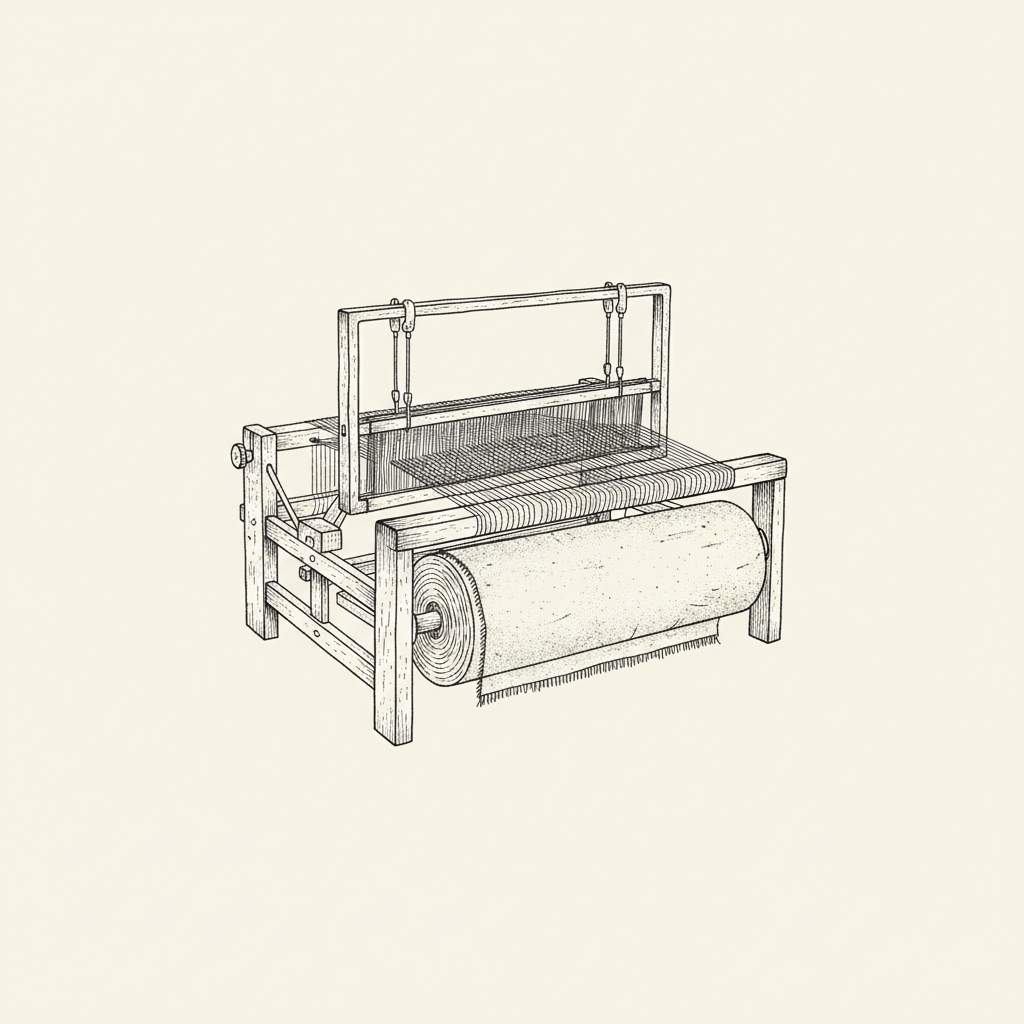
Berkshire Hathaway was a fading New England textile mill that Buffett bought into in the early 1960s because it was statistically cheap — and took control of in 1965 partly out of spite, after its CEO shaved an eighth of a dollar off a promised tender offer. For the next twenty years Buffett fed capital into newer looms while foreign competition ground prices ever lower.
No amount of good management could fix a commodity product with no moat. He finally closed the mills in 1985 and later called Berkshire "the dumbest stock I ever bought", estimating that the compounding forgone by not starting from an insurance company instead cost about $200 billion.
A low price cannot rescue a business with no moat. Knowing which problems are unfixable is what a circle of competence is for.

In 1989 Buffett put $358 million into US Air preferred stock — drawn by the security's attractive terms rather than the business itself. Deregulated airlines were a commodity industry: brutal capital needs, no pricing power, profits competed away the moment they appeared. Dividends were soon suspended and Berkshire wrote the position down by 75%.
Buffett turned the episode into a running confession, joking that he needed a hotline — "I'm Warren, and I'm an aeroholic." A lucky upswing in the cycle eventually let Berkshire exit whole, which he insisted made the decision no less wrong.
A good structure cannot fix a bad industry. The moat question comes before the price question.
Look for returns on invested capital consistently above the cost of capital for ten or more years, including through recessions. Persistence under pressure is the signature.
Yes — technology shifts, regulation, and changing customer behavior erode moats. Moat analysis is a recurring task, not a one-time stamp.
Learn moat analysis inside guided research workflows:
Download Valuefocus