Latest 13F Filings: Who Just Updated Their Portfolio
A live timeline of when the value investors we track last filed their 13F — the quarterly disclosure that reveals what the pros are actually buying and selling.
What is a 13F filing and why does the date matter?
A Form 13F is a quarterly report that institutional managers overseeing more than $100 million in U.S. stocks must file with the SEC within 45 days of quarter-end, listing their long equity positions. The filing date matters because 13F data is delayed and self-reported — a more recent date means the holdings you are studying are closer to the manager’s current portfolio.
- 13F filings are due within 45 days after each calendar quarter ends.
- They disclose long U.S. equity positions only — not shorts, cash, bonds or foreign holdings.
- A newer filing date means fresher data; an old one means the portfolio may have changed since.
Every institutional manager with over $100 million in U.S. equities must file a Form 13F within 45 days of each quarter’s end, disclosing their holdings. This timeline shows the most recent 13F date on record for every value investor we track, newest first.
Use it to see whose portfolio data is freshest, and when the next round of filings is likely to land. Each entry links to that manager’s full profile and strategy breakdown.
 Ken FisherFisher Asset Management, LLC
 Tom GaynerMarkel Gayner Asset Management Corp
 Yacktman Asset ManagementYacktman Asset Management
 Mason HawkinsSoutheastern Asset Management
 Bill NygrenOakmark Fund
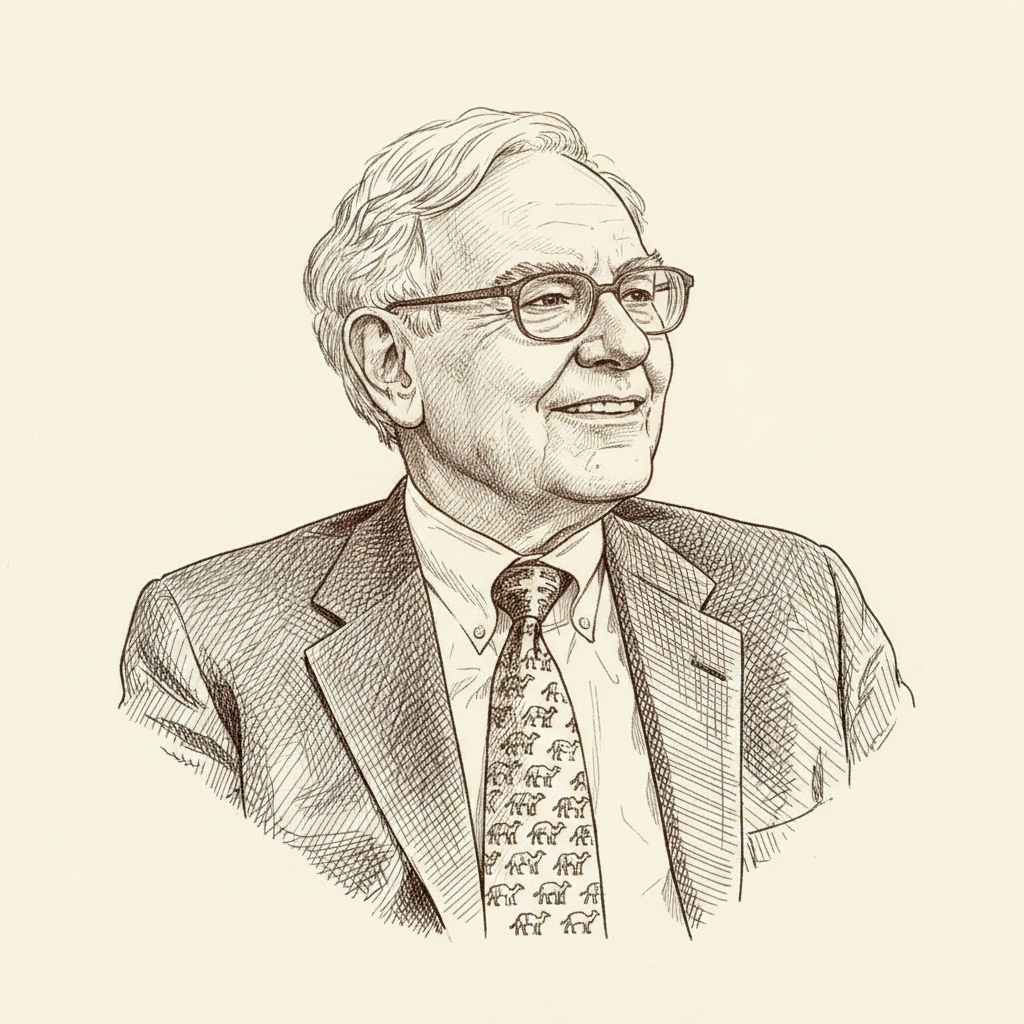 Warren BuffettBerkshire Hathaway Inc
 Wallace WeitzWeitz Investment Management Inc
 Ruane CunniffRuane, Cunniff & Goldfarb L.P.
 George SorosSoros Fund Management LLC
 Bruce BerkowitzFairholme Capital Management
 Ron BaronBaron Funds
 Seth KlarmanThe Baupost Group
 First Eagle InvestmentFirst Eagle Investment Management, LLC
 Dodge & CoxDodge & Cox
 Joel GreenblattGotham Asset Management, LLC
 David EinhornGreenlight Capital
 Daniel LoebThird Point, LLC
 John RogersAriel Investment, LLC
 Chris DavisDavis Selected Advisers
 Mohnish PabraiDalal Street, LLC
 Tom RussoGardner Russo & Quinn LLC
 David TepperAppaloosa LP
 Carl IcahnIcahn Capital Management LP
 PRIMECAP ManagementPRIMECAP Management
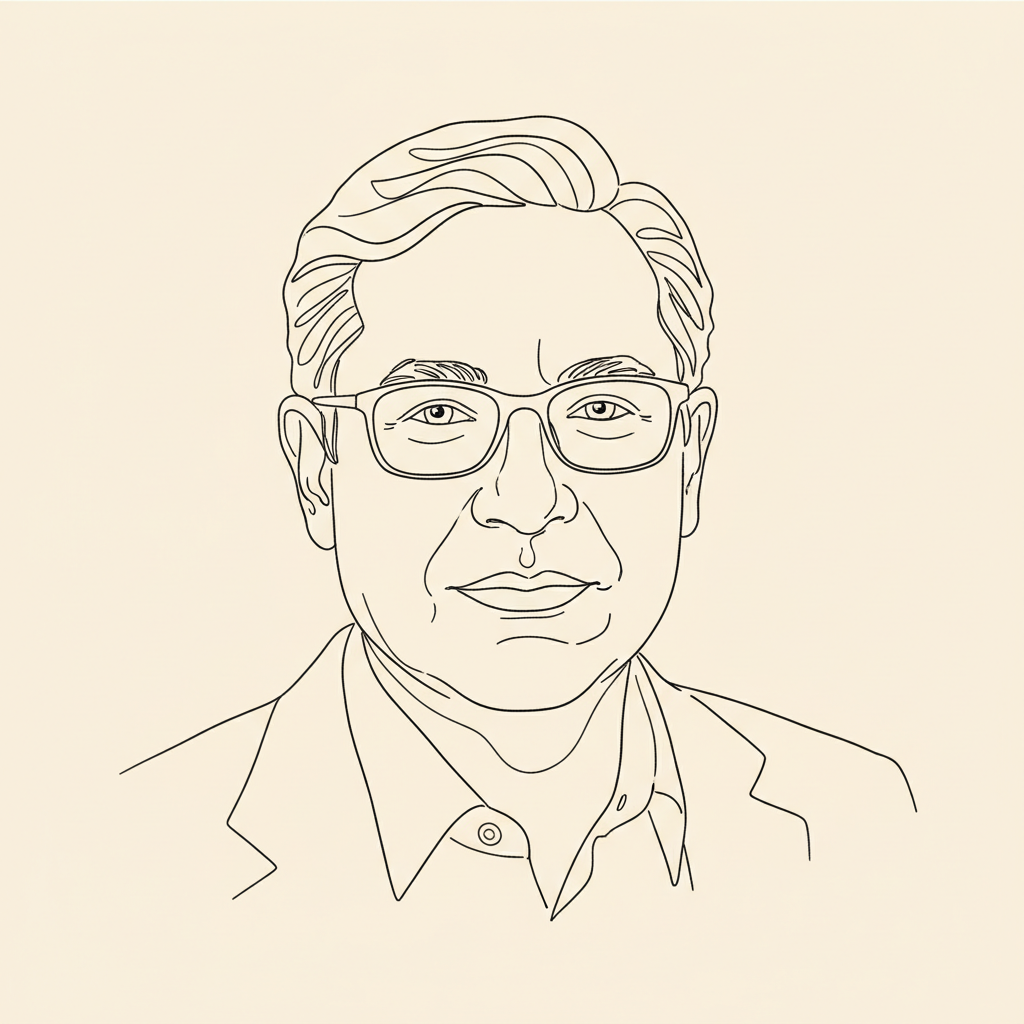 Prem WatsaFairfax Financial Holdings
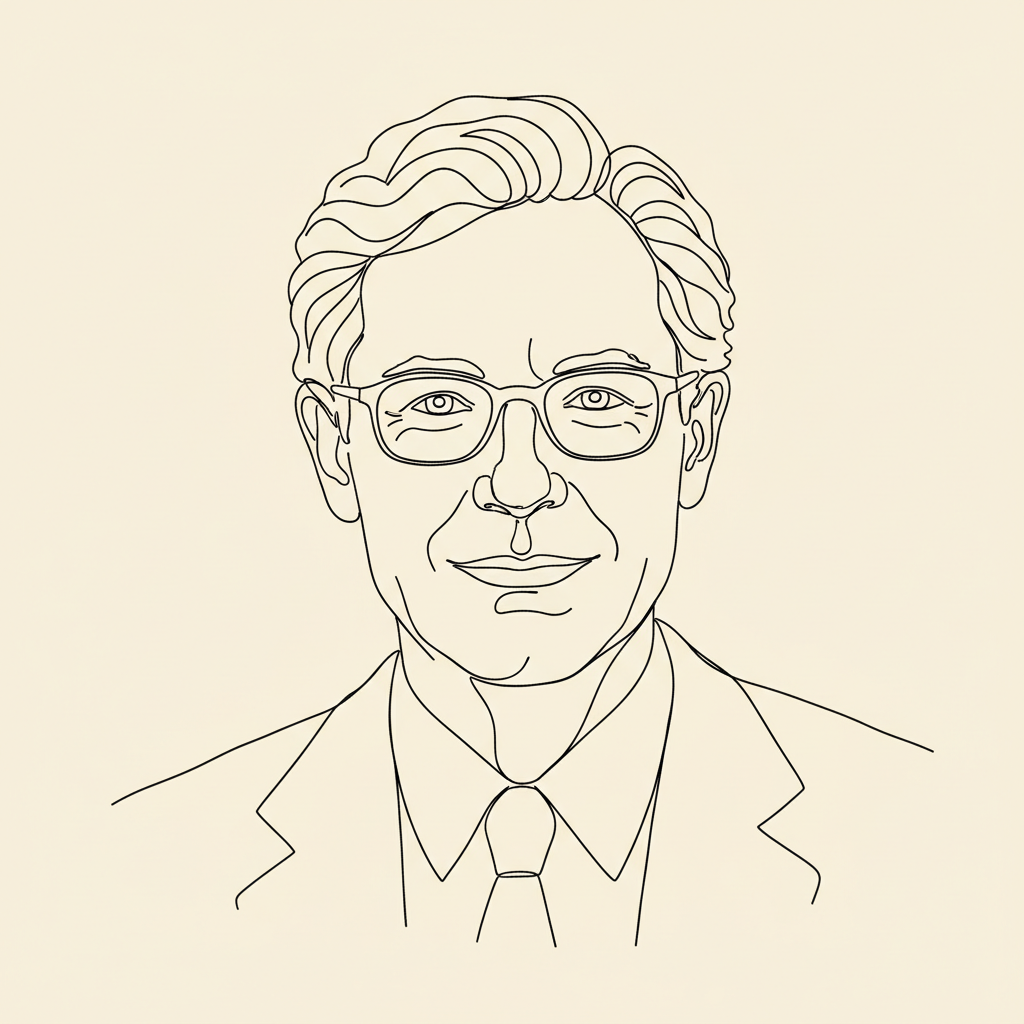 Jeremy GranthamGMO LLC
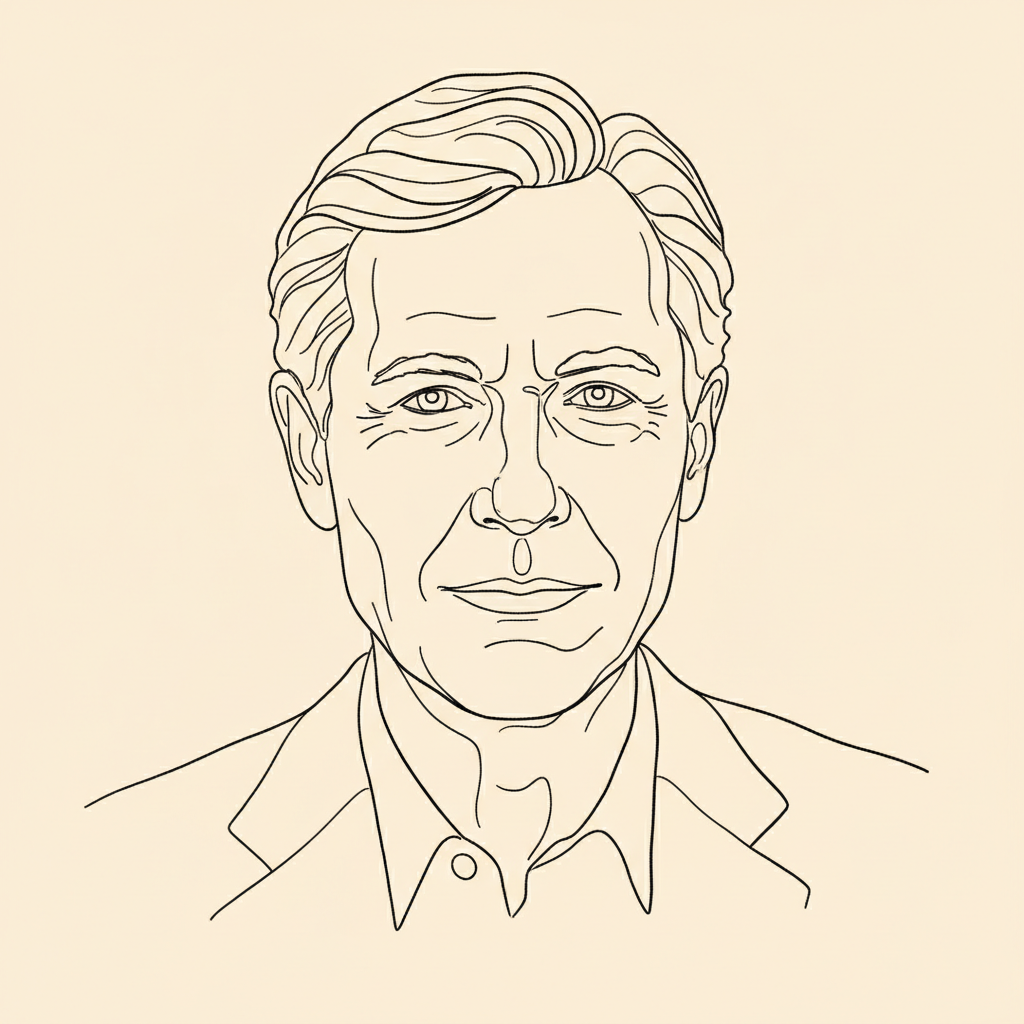 Stanley DruckenmillerDuquesne Capital Management, LLC
 Francis ChouChou Associates Management
 Howard MarksOaktree Capital Management LP
 Leon CoopermanOmega Advisors
 Ray DalioBridgewater Associates
 Bill AckmanPershing Square Capital Management, L.P.
 Mario GabelliGAMCO Investors
Source: GuruFocus 13F filings. Dates reflect each manager’s most recent disclosure on record.

The $25 million lesson that changed Buffett
In 1972 the sellers of See's Candies asked $30 million; Buffett, trained on Graham's cigar butts, refused to go above $25 million — roughly three times book value, a price the old Buffett would never pay. The deal nearly died over $5 million. Charlie Munger pushed back: a beloved brand with loyal customers and genuine pricing power deserved a premium.
They paid the $25 million. See's went on to ship more than $1.65 billion of cumulative pre-tax earnings back to Omaha while needing almost no additional capital — raising prices every year without losing a single loyal customer. Buffett later called it 'the prototype of a dream business' and credits this one purchase with rewiring how he invests.
Quality compounds quietly for decades. Temperament and a clear circle of competence beat chasing the cheapest price.

The only deal Munger ever pushed
In the depths of the 2008 crisis, Munger did something he had never done before: he actively lobbied Buffett to invest in BYD, a Chinese battery and car maker led by engineer Wang Chuanfu — a man Munger described as "a combination of Thomas Edison and Jack Welch". The conviction came through Li Lu, whose circle of competence covered what Omaha's did not.
Berkshire paid $232 million for about 10% of the company — a tiny position by its standards, in an industry Buffett had publicly sworn off. At its 2022 peak the stake was worth roughly $9 billion, close to a forty-fold gain, before Berkshire began trimming.
A circle of competence can be extended honestly — by trusting someone who genuinely has one where you do not.
Related tools
Frequently asked questions
How often is 13F data updated?
Managers file once per quarter, within 45 days of the quarter ending. So holdings can be up to about three and a half months old by the time you see them — which is why the filing date on this timeline matters.
Why do some managers file earlier than others?
Filing timing is up to each manager as long as they meet the 45-day deadline. Some file early; many wait until the last day to avoid telegraphing their moves. The timeline simply reflects the dates on record.
Where does the data come from?
All filing dates come from GuruFocus, based on each manager’s most recent 13F disclosure. The data is delayed and self-reported.
Track what the best investors are buying each quarter — inside Valuefocus.
Download Valuefocus