
Bill Nygren
Portfolio manager at Oakmark Funds — a disciplined value investor who buys businesses at a discount to intrinsic value, with growing per-share value and shareholder-aligned management.
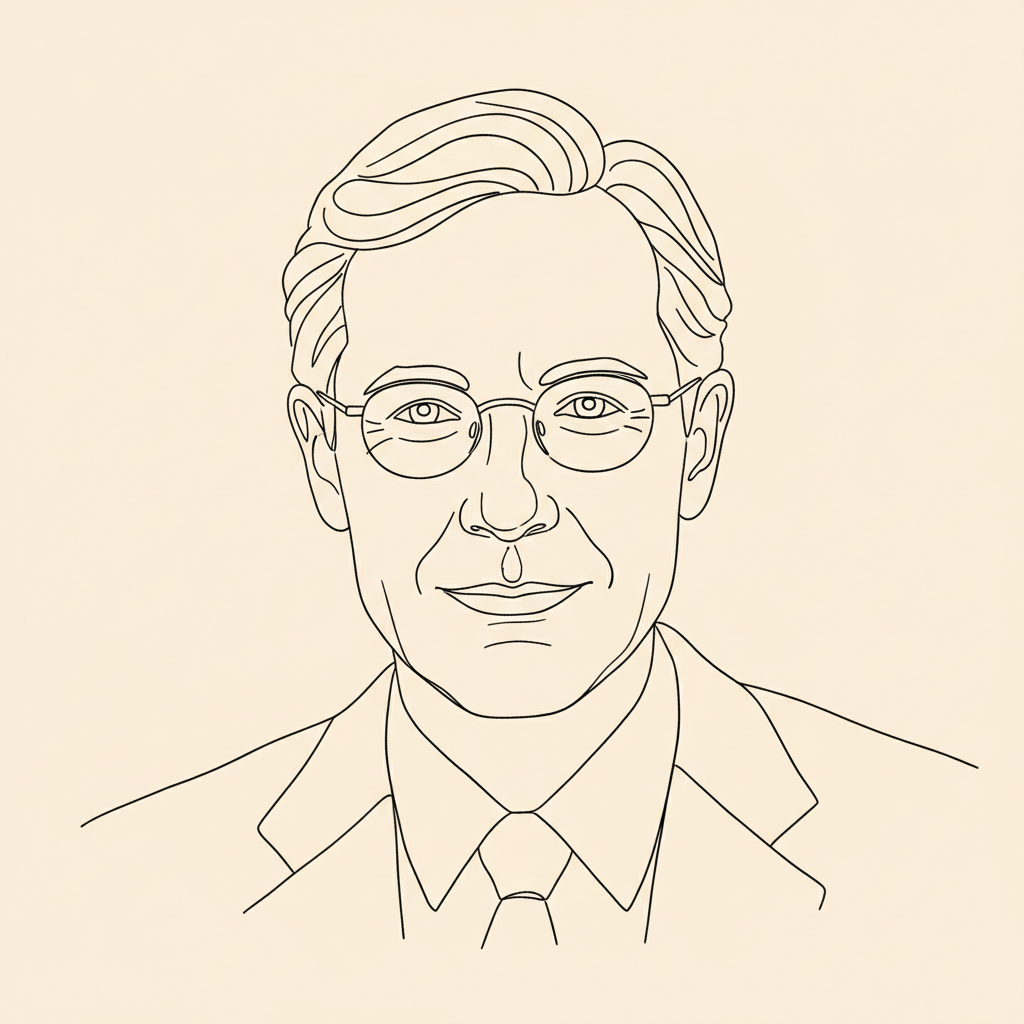
Who he is

Bill Nygren has managed Oakmark funds since the 1990s, becoming one of the most respected practitioners of modern value investing. He follows the firm's long-standing approach: buy good businesses for meaningfully less than they are worth, and let value and management do the rest.
He is known for a flexible definition of value that includes quality and growth, not just statistical cheapness.
Core philosophy
Nygren's discipline rests on three criteria: a stock trading at a significant discount to his estimate of intrinsic value, intrinsic value that is growing over time, and management that thinks and acts like owners — allocating capital to build per-share value.
Crucially, he does not equate "value" with low multiples. A high-quality, growing business at a fair price can be a better value than a cheap, stagnant one. The discount to a rising intrinsic value is what creates the margin of safety.
Key lessons for individual investors
- Value is a discount to what a business is worth — not just a low P/E.
- Prefer companies whose intrinsic value grows over time; you want a moving target in your favor.
- Management that allocates capital like owners is part of the value, not a separate question.
- A fair price for a great business often beats a cheap price for a mediocre one.
- Discipline about the discount is what protects you when you are wrong.
Live track record & latest portfolio
Real figures from public 13F filings and historical returns, via Oakmark Fund. For education only — not investment advice, and not a recommendation to copy any position.
Annual return history
Yearly returns (%) as reported by GuruFocus. Past performance does not predict future results.
Source: GuruFocus. Figures are delayed and may be revised.
Ask Bill Nygren a question
Type a question about Bill Nygren's classic investment theories, or pick one below.

You don't need a scale to know a man is fat
In the brutal 1973–74 bear market, the entire Washington Post Company — the newspaper, Newsweek magazine and several TV stations — traded for around $100 million. Buffett conservatively reckoned the assets were worth at least $400 million. No precise model was needed: the gap between price and value was visible from across the street.
He invested about $10.6 million, then watched the stock fall further and did nothing but wait. Decades later the position was worth more than $1 billion, plus a stream of dividends along the way — a return of roughly one hundred times. As Buffett put it: you don't need to know a man's exact weight to know that he's fat.
The point of comparing price with value is to spot obvious gaps — not to manufacture false precision.

A quality compounder hiding in plain sight
In 2016, with Apple trading near 10–12 times earnings amid fears the iPhone cycle had peaked, Berkshire began buying — eventually about $36 billion of stock. Buffett's thesis required no technology forecast: a product customers would not abandon, extraordinary returns on invested capital, and a buyback machine that increased Berkshire's ownership share every year without another dollar spent.
The stake grew to be worth more than $150 billion at its peak — the most profitable single investment in Berkshire's history, earned not by predicting gadgets but by recognizing a high-ROIC franchise priced like a metal-bender.
High returns on capital plus a shrinking share count quietly multiply your slice of the profits.

Buying a great franchise on its worst day
By 1976 GEICO had under-priced policies and under-reserved for losses; the insurer was sliding toward insolvency and the stock had collapsed from $61 to about $2. Most investors saw a corpse. Buffett saw that the core advantage — selling insurance direct, at the lowest cost in the industry — was completely intact; the wound was bad management, and management can be replaced.
Berkshire invested roughly $45 million between 1976 and 1980 while a new CEO repaired pricing and reserves. The company recovered, compounded for two decades, and in 1995 Buffett paid $2.3 billion to buy the half of GEICO that Berkshire did not already own.
Ask first whether the problem kills the moat or just the quarter. A fixable wound at a panic price is where safety and return meet.
Related tools
Frequently asked questions
What are Nygren's three criteria?
A discount to intrinsic value, intrinsic value that grows over time, and management that acts like owners in allocating capital.
Does he only buy cheap, low-P/E stocks?
No — his definition of value includes quality and growth. He will pay a fair price for a great, growing business rather than insisting on a low multiple.
Define value as a discount to a growing intrinsic value:
Download Valuefocus