
Leon Cooperman
Founder of Omega Advisors and a long-time Wall Street value investor — known for buying undervalued businesses with strong cash generation and holding outspoken, high-conviction views.
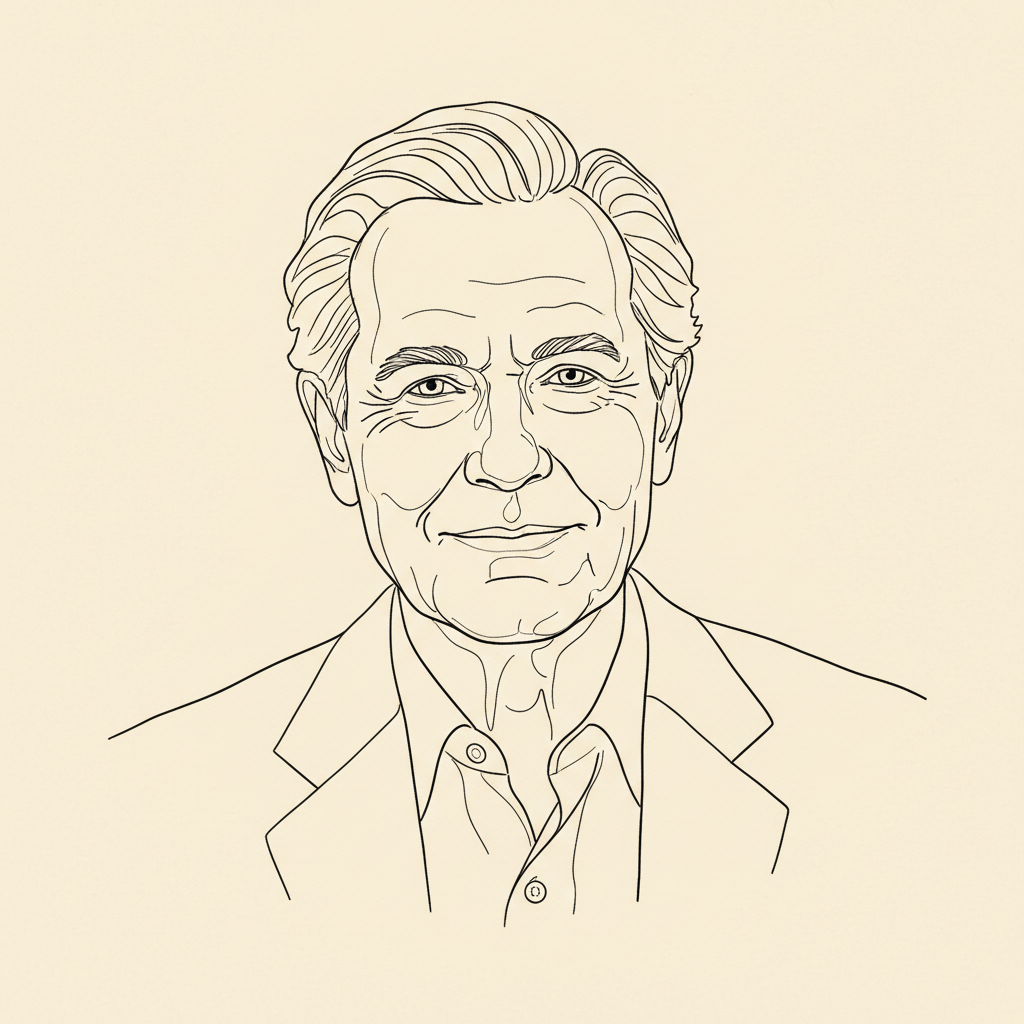
Who he is

Leon Cooperman rose from Goldman Sachs to found Omega Advisors, building a decades-long record as a value-oriented stock picker and one of Wall Street's most quotable, candid voices on markets.
He is known for deep fundamental work, a willingness to take concentrated, contrarian positions, and a clear-eyed focus on what a business is actually worth.
Core philosophy
Cooperman hunts for stocks trading below his estimate of intrinsic value, paying close attention to free-cash-flow yield, balance-sheet strength, and capital return to shareholders.
He combines rigorous bottom-up analysis with a top-down read on the market, and he is willing to back his conclusions with conviction even when they run against the crowd.
Key lessons for individual investors
- Anchor valuation to free-cash-flow yield, not just earnings.
- A strong balance sheet protects you when you are wrong.
- Capital returned to shareholders is real, tangible value.
- Conviction matters — but only when backed by deep work.
- Combine company-level analysis with awareness of the broader market.
Live track record & latest portfolio
Real figures from public 13F filings and historical returns, via Omega Advisors. For education only — not investment advice, and not a recommendation to copy any position.
Source: GuruFocus. Figures are delayed and may be revised.
Ask Leon Cooperman a question
Type a question about Leon Cooperman's classic investment theories, or pick one below.

Margin of safety is something you verify yourself
In late 1963 the Allied Crude Vegetable Oil scandal exploded: storage tanks pledged as collateral turned out to hold mostly seawater topped with a thin layer of salad oil. American Express, which had guaranteed the warehouse receipts, faced an enormous liability, and its stock was nearly cut in half. The headlines screamed bankruptcy.
Buffett did not read more headlines — he went out to restaurants and banks in Omaha and watched. People were still paying with American Express cards; travelers cheques were still being accepted everywhere. The franchise was intact. He put roughly 40% of his partnership into the stock, and within five years it had risen about five-fold.
A margin of safety comes from facts you check with your own eyes — not from the absence of scary news.

You don't need a scale to know a man is fat
In the brutal 1973–74 bear market, the entire Washington Post Company — the newspaper, Newsweek magazine and several TV stations — traded for around $100 million. Buffett conservatively reckoned the assets were worth at least $400 million. No precise model was needed: the gap between price and value was visible from across the street.
He invested about $10.6 million, then watched the stock fall further and did nothing but wait. Decades later the position was worth more than $1 billion, plus a stream of dividends along the way — a return of roughly one hundred times. As Buffett put it: you don't need to know a man's exact weight to know that he's fat.
The point of comparing price with value is to spot obvious gaps — not to manufacture false precision.

A valuation done with an annual report and a weekend
Buffett read PetroChina's annual report at home and pegged the company's value at roughly $100 billion. The market was pricing it near $37 billion. He built no spreadsheet, met no management, sought no second opinion — the gap was too wide to need precision. Berkshire bought about $488 million of the Hong Kong-listed shares.
By 2007, rising oil prices and a re-rating had carried PetroChina's market value past $250 billion. Buffett sold the entire stake for about $4 billion — roughly an eight-fold return plus dividends — and moved on.
When value is triple the price, ordinary accuracy is enough. The best decisions rarely require the most elaborate models.
Related tools
Frequently asked questions
What is Leon Cooperman's investment style?
A value style focused on undervalued businesses with strong free-cash-flow yield, solid balance sheets, and shareholder-friendly capital return.
Who is Leon Cooperman?
A veteran Wall Street value investor who founded Omega Advisors after a long career at Goldman Sachs.
Value stocks on cash-flow yield:
Download Valuefocus