
Bruce Berkowitz
Founder of Fairholme Capital Management — a focused value investor known for concentrated, cash-flow-driven bets and a willingness to stand far apart from the crowd.
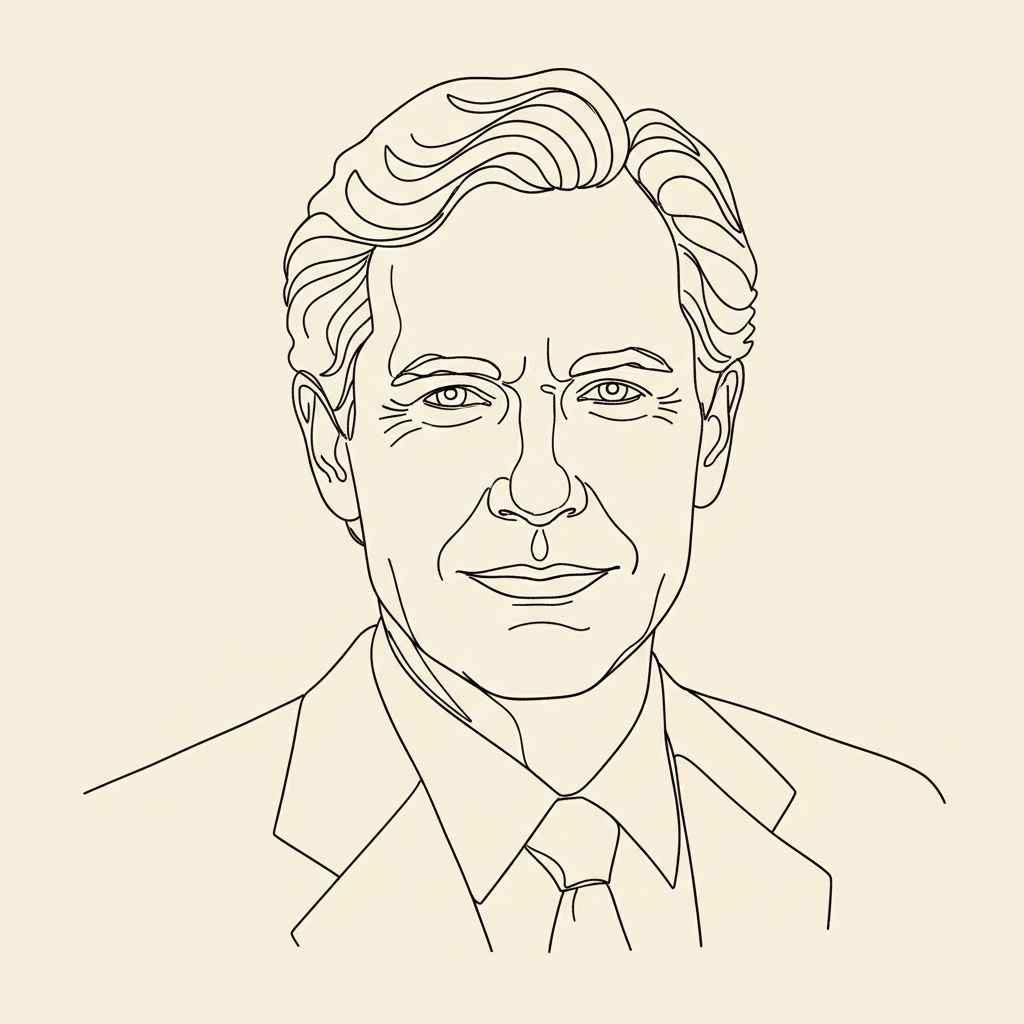
Who he is

Bruce Berkowitz founded Fairholme Capital Management in 1997 and was named Morningstar's Domestic Stock Fund Manager of the Decade for 2000–2009 after a remarkable run of outperformance.
He runs an unusually concentrated portfolio and is comfortable holding large positions others avoid — a deeply contrarian stance that has produced both standout wins and painful stretches.
Core philosophy
Berkowitz's mantra is to "count the cash." He focuses relentlessly on free cash flow and balance-sheet strength, buying businesses he believes can survive hard times and generate cash through a full cycle.
He concentrates capital into a handful of deeply researched ideas and is willing to be early and alone. The discipline is classic value investing: pay far less than a durable cash stream is worth, then wait for the market to agree.
Key lessons for individual investors
- Cash flow and balance-sheet strength tell you whether a business can survive — start there.
- Concentration rewards depth of research; only conviction earned through work justifies it.
- Contrarian positions feel uncomfortable precisely because the crowd disagrees.
- Being early can look like being wrong for a long time — patience and survival matter.
- Even decade-best managers endure painful stretches; sizing keeps you in the game.
Live track record & latest portfolio
Real figures from public 13F filings and historical returns, via Fairholme Capital Management. For education only — not investment advice, and not a recommendation to copy any position.
Annual return history
Yearly returns (%) as reported by GuruFocus. Past performance does not predict future results.
Source: GuruFocus. Figures are delayed and may be revised.
Ask Bruce Berkowitz a question
Type a question about Bruce Berkowitz's classic investment theories, or pick one below.

Buying a great franchise on its worst day
By 1976 GEICO had under-priced policies and under-reserved for losses; the insurer was sliding toward insolvency and the stock had collapsed from $61 to about $2. Most investors saw a corpse. Buffett saw that the core advantage — selling insurance direct, at the lowest cost in the industry — was completely intact; the wound was bad management, and management can be replaced.
Berkshire invested roughly $45 million between 1976 and 1980 while a new CEO repaired pricing and reserves. The company recovered, compounded for two decades, and in 1995 Buffett paid $2.3 billion to buy the half of GEICO that Berkshire did not already own.
Ask first whether the problem kills the moat or just the quarter. A fixable wound at a panic price is where safety and return meet.

Margin of safety is something you verify yourself
In late 1963 the Allied Crude Vegetable Oil scandal exploded: storage tanks pledged as collateral turned out to hold mostly seawater topped with a thin layer of salad oil. American Express, which had guaranteed the warehouse receipts, faced an enormous liability, and its stock was nearly cut in half. The headlines screamed bankruptcy.
Buffett did not read more headlines — he went out to restaurants and banks in Omaha and watched. People were still paying with American Express cards; travelers cheques were still being accepted everywhere. The franchise was intact. He put roughly 40% of his partnership into the stock, and within five years it had risen about five-fold.
A margin of safety comes from facts you check with your own eyes — not from the absence of scary news.

Buying a dollar for fifty cents — by the basket
Graham's signature operation was mechanical and unglamorous: buy companies trading below their "net-net" working capital — cash, receivables and inventory minus every liability — so the buyer effectively paid nothing for the factories, the brand or the future. Each one was a discarded cigar butt with one free puff left.
Any single net-net could disappoint, so Graham never relied on one: Graham-Newman held dozens at a time, selling each as it returned to fair value. Across three decades, through depression aftermath and war, the diversified baskets earned roughly 20% a year — built from stocks nobody else wanted.
A screen's edge comes from discipline and diversification across the basket — not from any single thrilling pick.
Related tools
Frequently asked questions
What is Fairholme Capital?
Bruce Berkowitz's investment firm, founded in 1997, known for focused, concentrated value investing centered on free cash flow.
Is Bruce Berkowitz a value investor?
Yes — he is a focused value investor who buys cash-generative businesses below his estimate of intrinsic value, often taking large contrarian positions.
Pressure-test focused, cash-flow-driven ideas:
Download Valuefocus